Counting the waves…
Counting the waves…

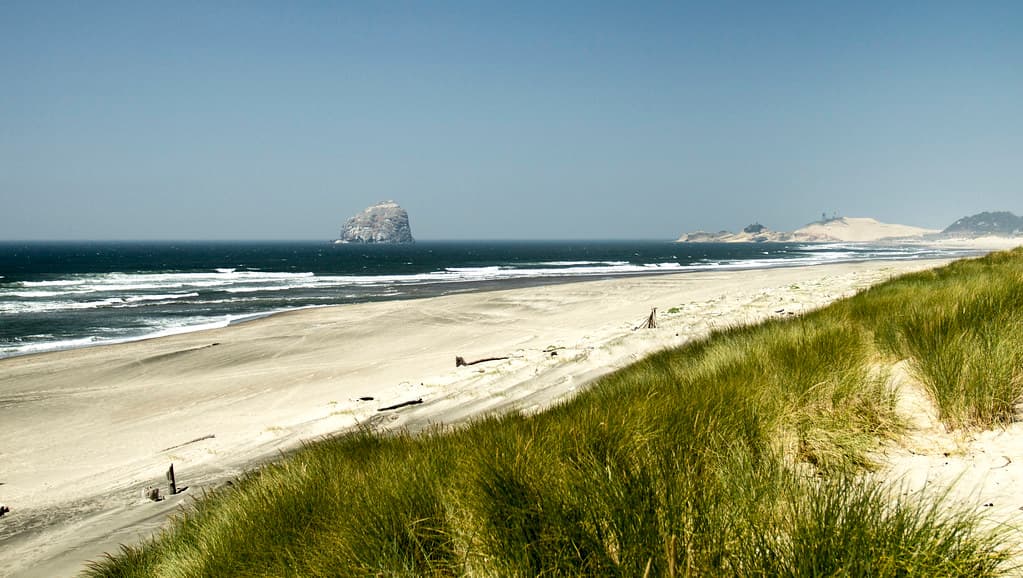
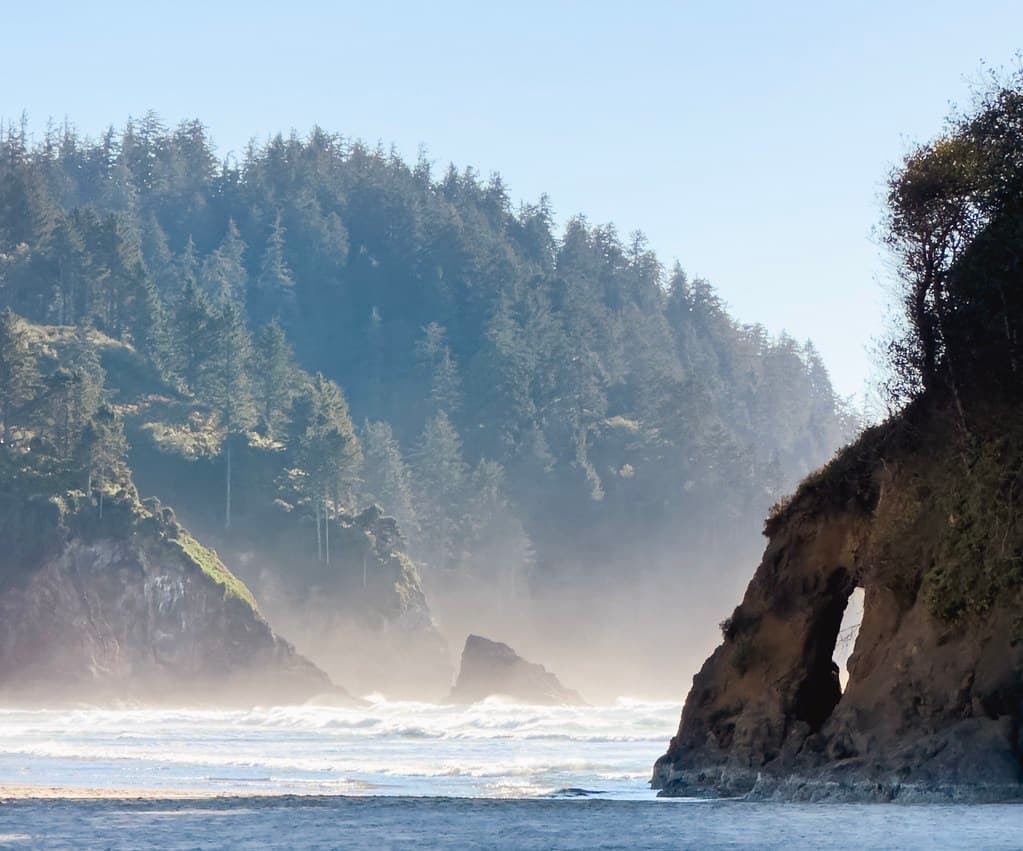
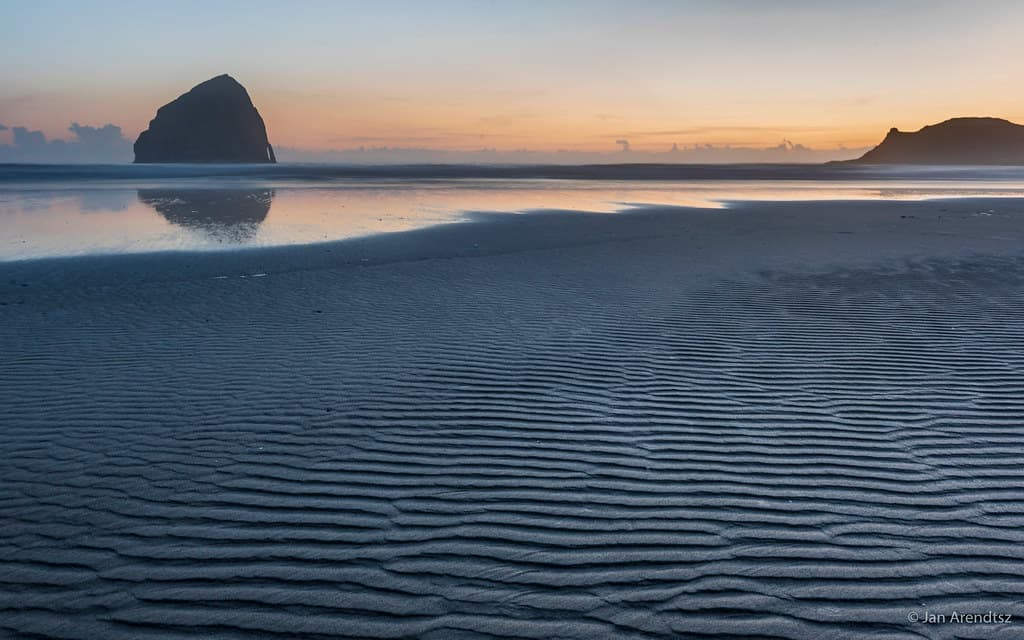
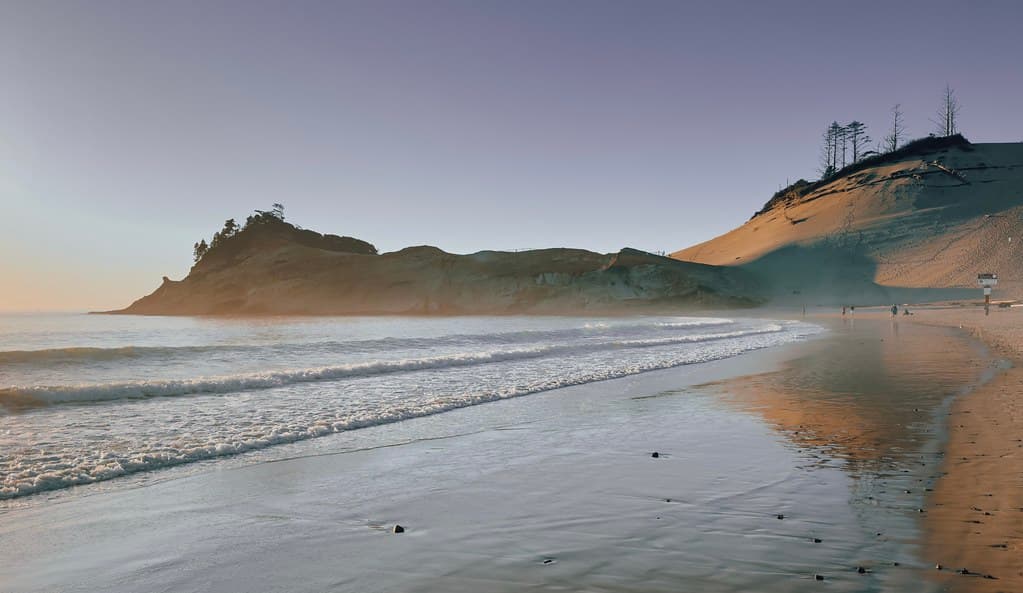
Cape Kiwanda doesn't behave like other Oregon beaches. Instead of basalt headlands, a massive sandstone cape tilts skyward, its rust-colored face streaked white with gull droppings and worn smooth by a million sneaker treads. You can scramble to the top—though the sand gives way underfoot like sugar—and watch the Pacific churn against the offshore sea stack while hang gliders drift overhead, their nylon wings snapping in the onshore wind. The beach itself runs wide and flat, a mix of caramel sand and charcoal pebbles where fishing dories rest on trailers between launches. Twice a day, diesel engines roar and boats slam through the shorebreak, a tradition older than the highway that brought you here. The water stays cold year-round—low fifties, wetsuit mandatory—but the waves peel with surprising consistency around the cape's southern flank. Stay through the afternoon and the light turns the sandstone molten. Tide pools fill the rock shelves at the cape's base, starfish clinging to stone the color of burnt sienna. By evening, wood smoke drifts from beach bonfires and the brewery's patio fills with sunburned faces nursing IPAs. The sand holds your footprints until the tide erases them, which it will, twice a day, without fail.
Places, rentals, tours and events within walking and driving distance of Cape Kiwanda Beach.
Photos
Swimming at Cape Kiwanda requires extreme caution due to strong currents, sneaker waves, and cold water temperatures year-round. The beach is known for dangerous surf conditions, and several drownings have occurred here. Wading near the shoreline can be risky as waves are unpredictable and can pull people into the ocean. The beach is better suited for viewing, tidepooling, and photography rather than swimming. Always keep a safe distance from the water's edge, never turn your back on the ocean, and supervise children closely.
Cape Kiwanda is beautiful year-round, but summer (June-September) offers the most stable weather with temperatures in the 60s-70s°F and less rain. Spring and fall bring dramatic storm watching opportunities and fewer crowds, though expect rain and wind. Winter offers spectacular wave action and sunsets but requires warm, waterproof clothing. Low tide is ideal for exploring tidepools and accessing the beach fully. Sunset visits are particularly stunning, as Cape Kiwanda faces west. Weekdays are less crowded than weekends during peak summer season.
Cape Kiwanda is located in Pacific City, about 90 minutes west of Portland and 25 miles south of Lincoln City via Highway 101. The main parking area is at Cape Kiwanda State Natural Area, accessible from Pacific Avenue in downtown Pacific City. Parking is free but fills quickly during summer weekends and holidays—arrive early morning for guaranteed spots. Additional street parking is available nearby. The beach is immediately accessible from the parking lot. During peak times, consider parking in town and walking the short distance to the beach.
The Pelican Brewing Company sits directly on Cape Kiwanda Beach, offering oceanfront dining with locally brewed beer and casual fare. Pacific City has several restaurants, cafes, and markets within walking distance. Lodging options include the Headlands Coastal Lodge & Spa overlooking the beach, vacation rentals, and nearby camping at Webb County Park. The Inn at Cape Kiwanda offers beachfront accommodations. For more extensive amenities, Lincoln City is 25 miles north. Many visitors bring picnics as outdoor seating with ocean views is plentiful around the beach area.
Yes, climbing the large sand dune at Cape Kiwanda is a popular activity offering panoramic ocean views from the top. The ascent is steep and strenuous, typically taking 15-20 minutes. The sand shifts underfoot, making the climb challenging but rewarding. Many visitors bring sandboards or sleds to ride down. Be cautious near the cliff edge at the top, as erosion creates dangerous overhangs that have collapsed in the past. Stay back from edges and watch for posted warning signs. The climb is best attempted in dry conditions when sand is more stable.