Counting the waves…
Counting the waves…
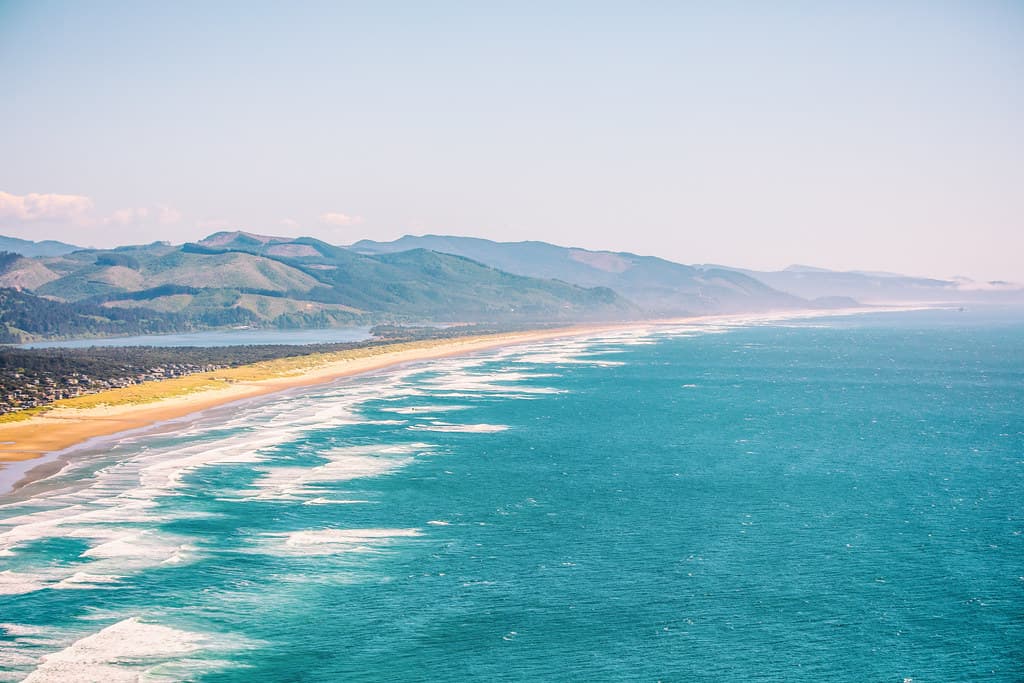
Rockaway Beach unfurls for seven uninterrupted miles along Highway 101, a ribbon of pewter sand that never quite empties, even in January. You'll park roadside—meters line the entire stretch—and step directly onto the beach, where Pacific winds sculpt the sand into rippled patterns that shift hourly. The shoreline curves gently northward toward Twin Rocks, two offshore sea stacks that frame every photograph, while southward the beach extends so far the figures at the far end blur into silhouettes. This is where Portland families have summered for generations, renting the same weathered cottages year after year. You'll recognize them by their easy familiarity—kids who know exactly where the best agates collect after storms, parents who time their beach walks to the tide tables printed at the corner store. The water stays frigid year-round, hovering in the fifties, but that doesn't stop wetsuit-clad surfers or shrieking children who dare each other into the foam. The town itself consists of a single main drag: antique shops, saltwater taffy vendors, fish-and-chips counters with picnic tables facing the ocean. You won't find luxury here. What you will find is a beach that delivers exactly what it promises—sand, surf, and enough space that your nearest neighbor remains a respectful distance away, even on summer Saturdays when the kite festival transforms the sky into a riot of nylon dragons and geometric shapes.
Places, rentals, tours and events within walking and driving distance of Rockaway Beach.
Photos
Rockaway Beach has strong currents, sneaker waves, and cold water year-round, making swimming challenging and potentially dangerous. The beach lacks lifeguards, so extreme caution is necessary. Most visitors enjoy wading, beachcombing, and tide pooling rather than swimming. Always keep children close to shore and never turn your back on the ocean. Sneaker waves can appear without warning and pull people into the surf. Check tide tables and weather conditions before visiting. The beach is excellent for walking and kite flying, which are safer alternatives to swimming.
Rockaway Beach is accessible year-round, with each season offering different experiences. Summer (July-August) brings the warmest and driest weather, ideal for families, though it can be foggy. Spring and fall offer milder crowds and occasional clear days perfect for storm watching and beachcombing. Winter provides dramatic storm watching opportunities but bring rain gear. Temperatures range from 45-65°F typically. The beach is seven miles long, so you'll find space even during peak summer weekends. Morning visits often have clearer skies before afternoon fog rolls in during summer months.
Rockaway Beach offers multiple free public parking areas along Highway 101, which runs parallel to the beach. Main access points include parking lots at the Visitors Center near downtown, Nedonna Beach wayside, and Manhattan Beach wayside to the south. Street parking is available throughout the town on side streets leading to beach access paths. Downtown parking fills quickly during summer weekends, so arrive early or park at southern access points. Most lots accommodate RVs and trailers. Beach access is easy with numerous walkways and stairways connecting parking areas to the sand.
Rockaway Beach's compact downtown offers several family-friendly restaurants including pizza places, seafood restaurants, and cafes along Highway 101. Popular options include beachfront dining with ocean views and casual eateries serving fish and chips and clam chowder. The town has various lodging options from oceanfront hotels and vacation rentals to cozy motels and RV parks. Many accommodations offer kitchenettes suitable for families. Grocery stores and convenience shops provide supplies for beach picnics. The neighboring town of Manzanita, just minutes south, offers additional dining and upscale lodging options for visitors seeking more choices.
Twin Rocks are actually located in the adjacent town of Twin Rocks, just north of Rockaway Beach, clearly visible from Rockaway's northern stretches. These iconic sea stacks rise dramatically from the ocean and are photographed landmarks of the area. You can walk along Rockaway Beach toward the north to get closer views, especially during low tide. The rocks are particularly striking at sunset. While exploring, you'll also find tide pools and other coastal rock formations along Rockaway's seven-mile shoreline, making beachcombing and photography excellent activities throughout your visit.