Counting the waves…
Counting the waves…

The shoreline bends around house-sized sea stacks that rise from the surf like sentinels, their surfaces whitewashed with guano and draped in rockweed. At low tide, the exposed reefs form a natural amphitheater where you can watch seals negotiate the slick ledges, their whiskered faces bobbing in the kelp beds. The beach itself is a mix of sand and cobble, strewn with driftwood logs bleached silver by winter storms. This isn't a sunbathing beach—the Oregon coast doesn't work that way. Instead, you'll spend your time crouched over tide pools cataloging hermit crabs and nudibranchs, or standing at the water's edge as Pacific swells crash against the rocks in clouds of white spray. The offshore formations break the waves into channels and eddies, creating pockets of relatively calm water between the chaos. The beach stretches north and south from the main parking area, offering solitude even on summer weekends when Highway 101 hums with traffic. Morning fog often lingers until noon, wrapping the sea stacks in gauze before burning off to reveal seabirds wheeling overhead. Bring layers—the wind here doesn't negotiate—and waterproof shoes if you plan to explore the tide pools at their lowest ebb.
Places, rentals, tours and events within walking and driving distance of Seal Rock Beach.
Photos
Swimming at Seal Rock Beach is generally not recommended due to strong currents, unpredictable waves, and cold water temperatures year-round. The rocky shoreline and offshore rock formations create hazardous conditions. Sneaker waves are a serious concern along the Oregon coast and can appear without warning. Wading in tide pools during low tide is safer, but always keep an eye on the ocean. The beach is better suited for tide pooling, beachcombing, and scenic walks rather than swimming or water sports.
Seal Rock Beach offers year-round appeal, with each season providing different experiences. Summer brings calmer seas and better weather for exploring tide pools, though mornings often start foggy. Spring and fall offer fewer crowds and dramatic storm-watching opportunities. Winter showcases powerful waves and migrating gray whales offshore. For tide pooling, visit during low tide regardless of season—check local tide charts beforehand. Mornings typically have better lighting for photography of the iconic rock formations. Dress in layers as coastal weather changes quickly.
Seal Rock Beach is located directly off Highway 101, approximately 10 miles south of Newport, Oregon. A well-marked state wayside parking area sits right along the highway with easy beach access. Parking is free and typically has spaces available except during peak summer weekends. The lot accommodates RVs and trailers. From the parking area, a short trail leads down to the beach. Look for the distinctive offshore rocks visible from the highway—that's your landmark for the turnoff heading southbound.
The small community of Seal Rock has limited dining options, including local seafood restaurants and casual cafes within a mile of the beach. For more variety, Newport (10 miles north) offers numerous restaurants, grocery stores, and amenities. Lodging options near Seal Rock include oceanfront vacation rentals, small motels, and RV parks. Nearby state parks like Beverly Beach and South Beach offer camping. Many visitors stay in Newport or Waldport and make Seal Rock a day trip destination, combining it with other coastal attractions.
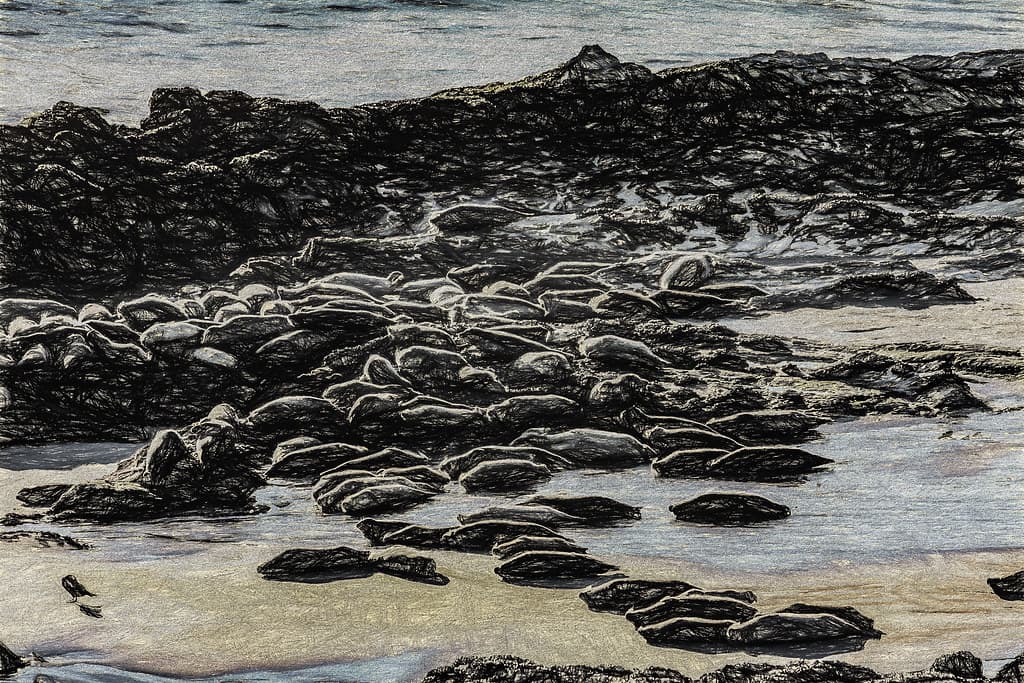
While the beach is named for the seal-shaped offshore rock formation rather than actual marine mammals, harbor seals and sea lions do occasionally haul out on the rocks, especially during pupping season in spring and summer. Sightings aren't guaranteed but are possible, particularly on the outer rocks at low tide. Gray whales can be spotted offshore during migration seasons (December-January and March-May). The tide pools are reliably excellent for viewing sea stars, anemones, crabs, and other marine life. Bring binoculars for best wildlife viewing.