Counting the waves…
Counting the waves…

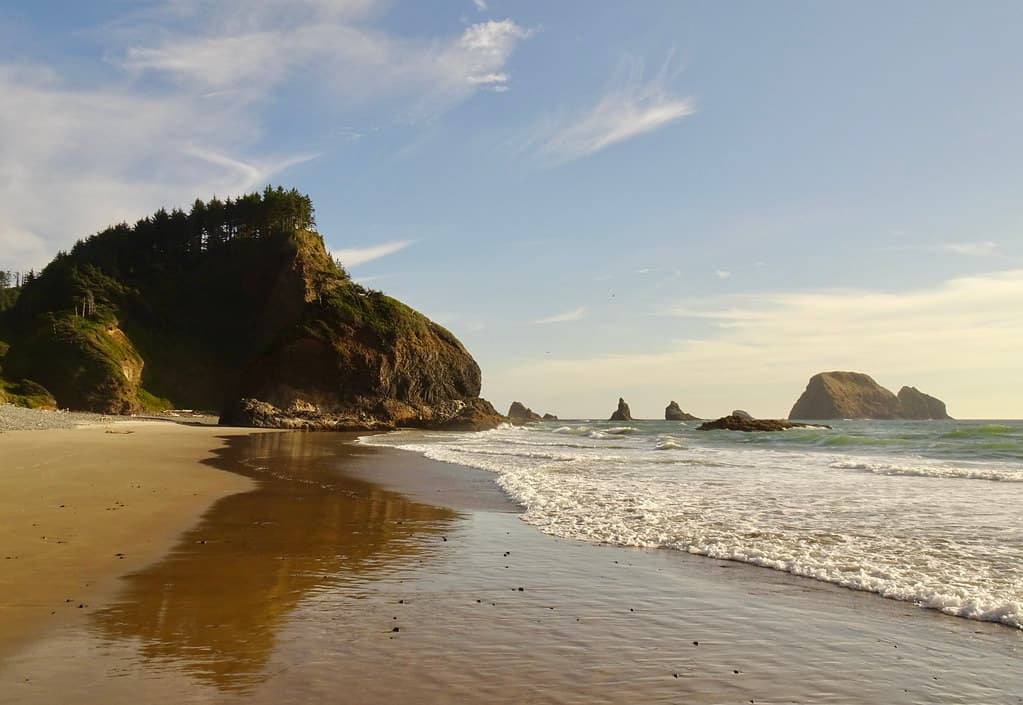
The tunnel itself is narrow—just wide enough for two people to pass shoulder-to-shoulder—and dark enough that you'll want your phone flashlight for the fifty-foot walk through solid rock. When you emerge on the other side, the Pacific opens before you in a crescent cove framed by towering basalt formations worn smooth by millennia of wave action. Driftwood logs the size of small cars cluster near the high-tide line, bleached silver by salt and sun. Low tide reveals tide pools teeming with ochre stars and purple urchins, while harbor seals often haul out on the offshore rocks to the north. The beach collects agates after winter storms, and beachcombers crouch among the pebbles searching for translucent orange and amber stones no bigger than a thumbnail. Sneaker waves are common here—the kind that race up the sand without warning—so keep your eyes on the water and your valuables dry. The hike down from the roadside parking area takes ten minutes on a steep dirt trail that turns to mud after rain. Wear boots with grip. In summer, salal and salmonberry bushes crowd the path; in winter, you'll have skeletal branches and wider views of Tillamook Head to the south. Come prepared for wind regardless of season—it funnels through the tunnel with enough force to steal hats and tousle even the most carefully styled hair.
Places, rentals, tours and events within walking and driving distance of Tunnel Beach.
Photos
Swimming at Tunnel Beach is generally not recommended due to strong currents, cold water temperatures, and unpredictable waves typical of the Oregon coast. The beach is better suited for tidepooling, exploring, and photography. If you do wade in the water, stay close to shore and never turn your back on the ocean, as sneaker waves are common along this coastline. Always supervise children closely and be aware that there are no lifeguards on duty at this beach.
Tunnel Beach can be visited year-round, but summer months (June-September) offer the most pleasant weather with less rain and warmer temperatures. However, low tide is the best time to visit regardless of season, as it reveals tidepools and allows access through the tunnel formation that gives the beach its name. Check tide charts before your visit. Winter storms can create dramatic wave-watching opportunities but bring rain and wind. Spring and fall offer fewer crowds while maintaining decent weather conditions.
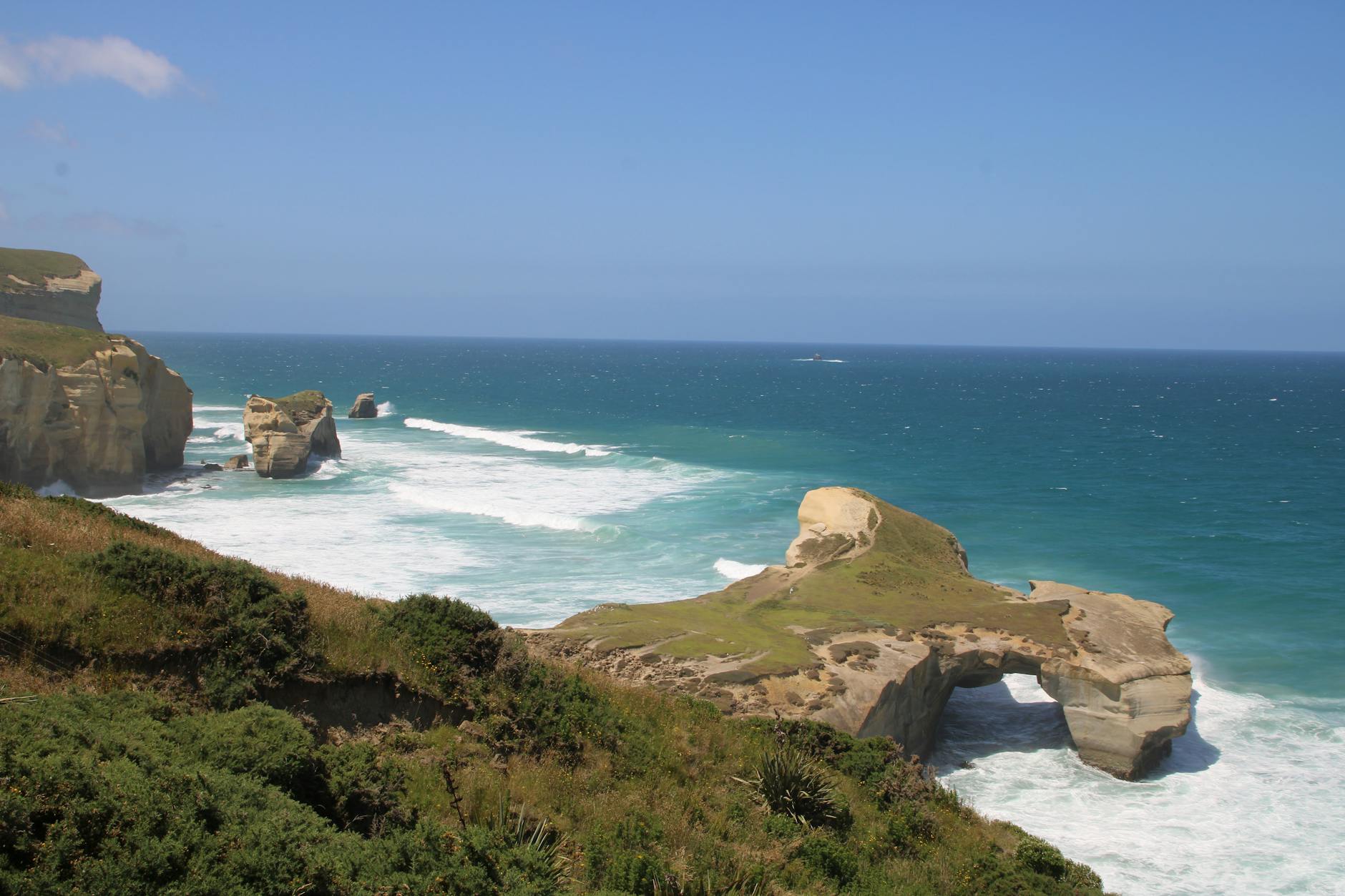
Tunnel Beach is located along Oceanside Beach State Recreation Site in Oceanside, Oregon, about 10 miles west of Tillamook. Take the Three Capes Scenic Route and look for parking at Oceanside Beach. There's a public parking area near Maxwell Point. From there, walk south along the beach toward the distinctive rock formation with a tunnel carved through it. Parking is free but can fill up on sunny summer weekends, so arrive early for the best spots.
The small village of Oceanside has several dining options within walking distance, including Roseanna's Cafe, known for oceanfront views and seafood. Tillamook, about 15 minutes away, offers more extensive dining and lodging choices, including chain hotels and local motels. In Oceanside itself, you'll find vacation rentals and a few small inns. For supplies, stock up in Tillamook before heading to the beach, as Oceanside has limited grocery options. Pacific City, 20 minutes south, also has additional amenities.
Yes, you can walk through the natural tunnel carved through Maxwell Point, but only during low tide when the passage is accessible and safe. The tunnel opens to a secluded cove on the other side. Always check tide tables before attempting to walk through, as high tide completely submerges the tunnel entrance. Give yourself plenty of time to explore and return before the tide comes in. The tunnel walls can be slippery, so wear appropriate footwear and use caution when passing through.