Counting the waves…
Counting the waves…

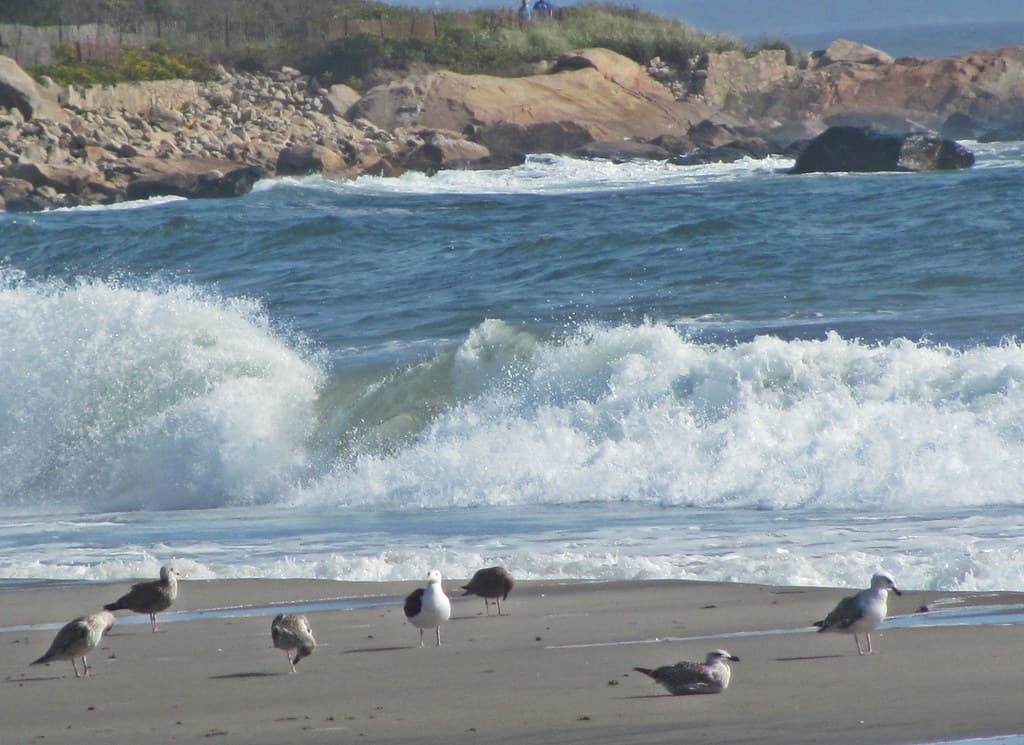
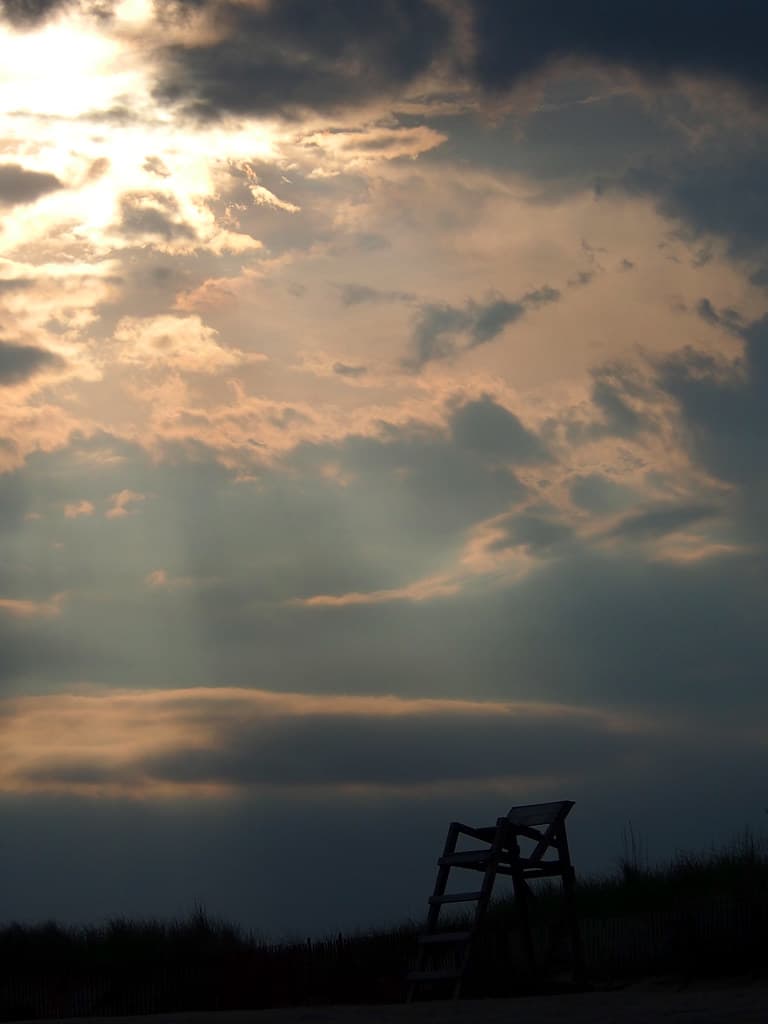
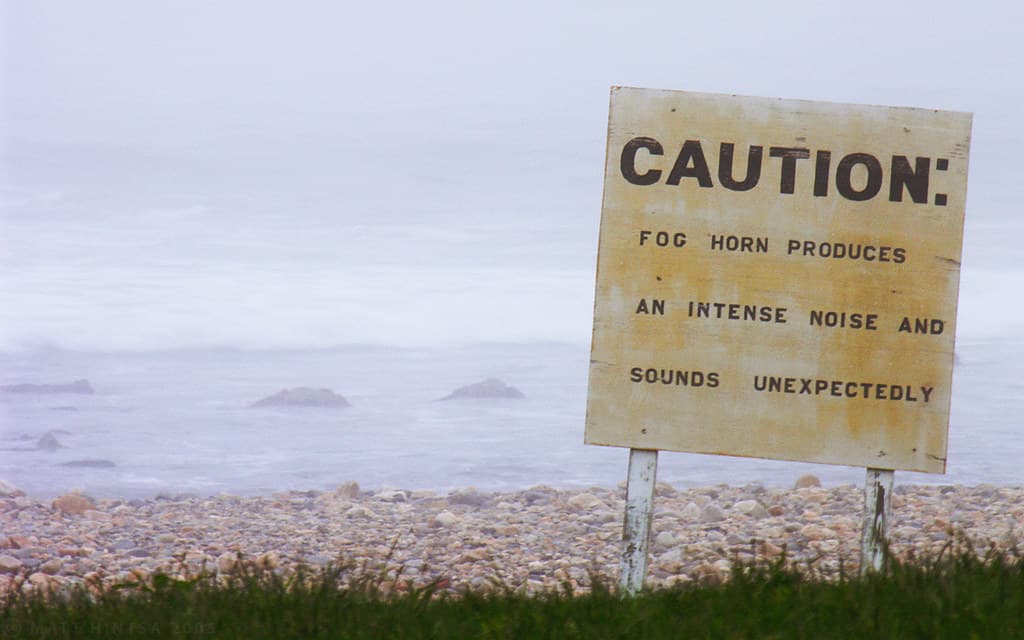
The 1816 lighthouse anchors a narrow finger of rock and sand where surf anglers stand thigh-deep in September nor'easters and families spread blankets on July afternoons. You'll navigate around the boulders—some car-sized, barnacle-crusted—that line the western edge, natural breakwaters that turn incoming waves into silvery explosions. The beach itself is coarse sand mixed with shell fragments, the kind that crunches under your feet and doesn't cling to beach towels. The real draw isn't the swimming (though locals brave the chop year-round). It's the unobstructed theater of weather and light. Morning fog rolls in so thick the lighthouse beam cuts visible shafts through gray air. Winter storms send spray thirty feet up the tower's stone base. Summer evenings paint the rocks in amber and violet as sailboats tack past the breakwater. You'll share the strand with surf casters who know the structure holds striped bass, and with Rhode Islanders who've watched the beacon from childhood. The snack bar near the parking area closes after Labor Day, leaving only gulls and the rhythmic pulse of the foghorn. There's no pretense here—just working coastline doing what it's done for two centuries.
Places, rentals, tours and events within walking and driving distance of Point Judith Lighthouse Beach.
Photos
Point Judith Lighthouse Beach has rocky areas and can experience strong currents, particularly near the breakwater and jetty. Swimming is possible but requires caution. The beach lacks lifeguards, so swimmers should assess conditions carefully and stay aware of changing tides. Families with young children may prefer nearby Salty Brine State Beach, which offers calmer waters and lifeguard supervision during summer months. The rocky terrain makes water shoes advisable. Always check local weather forecasts and avoid swimming during storms or high surf conditions.
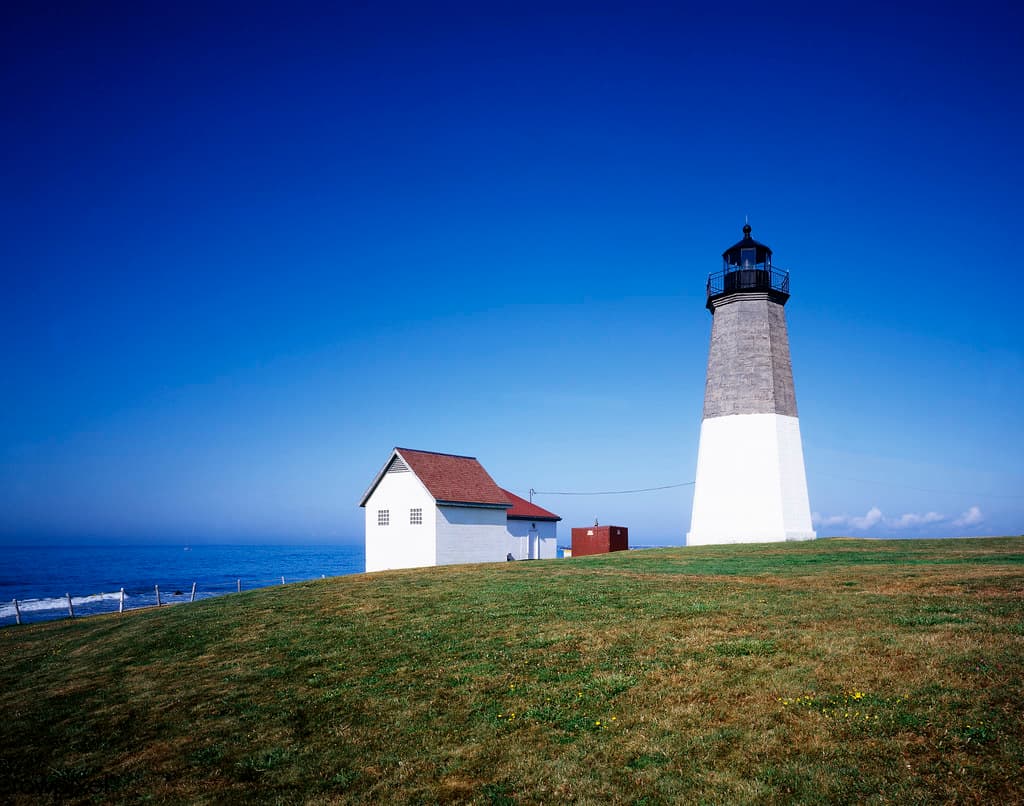
Early morning and late afternoon offer the best lighting for photography of the iconic lighthouse, with fewer crowds than midday. Summer weekends draw more visitors, while weekdays remain relatively quiet. Fall provides stunning scenery with fewer people and comfortable temperatures for walking. Winter visits appeal to storm watchers and those seeking solitude, though weather can be harsh. Spring brings migratory birds and wildflowers. The lighthouse itself is particularly photogenic during golden hour, approximately one hour before sunset.
A small parking lot is located directly at the lighthouse, accessible via Ocean Road in Narragansett. Space is limited to approximately 15-20 vehicles, so arriving early is recommended, especially during summer weekends and peak tourist season. Parking is free year-round. The lot fills quickly on sunny days and during lighthouse tours. Alternative parking can be found at nearby Salty Brine State Beach (fee required in summer) or along residential streets, though be mindful of posted restrictions and private property.
The nearby Port of Galilee, less than a mile away, offers numerous seafood restaurants including George's of Galilee and Champlin's Seafood. The area is known for fresh lobster rolls and clam chowder. Narragansett town beach area, about two miles north, has additional dining options and shops. Lodging options include The Break Hotel in Narragansett and various vacation rentals throughout the area. The beach itself has no amenities, so bring your own food, water, and supplies. Public restrooms are available at adjacent Salty Brine State Beach during operating season.
Point Judith Lighthouse is an active Coast Guard navigation aid and generally not open for interior tours. However, the lighthouse grounds are accessible year-round for viewing and photography from the exterior. The U.S. Coast Guard occasionally offers limited public access during special events or Coast Guard City open houses, typically announced through local tourism channels. The surrounding breakwater and beach area provide excellent vantage points for photographs. The white octagonal lighthouse, built in 1816 and rebuilt in 1857, remains a scenic landmark best appreciated from outside.