Counting the waves…
Counting the waves…

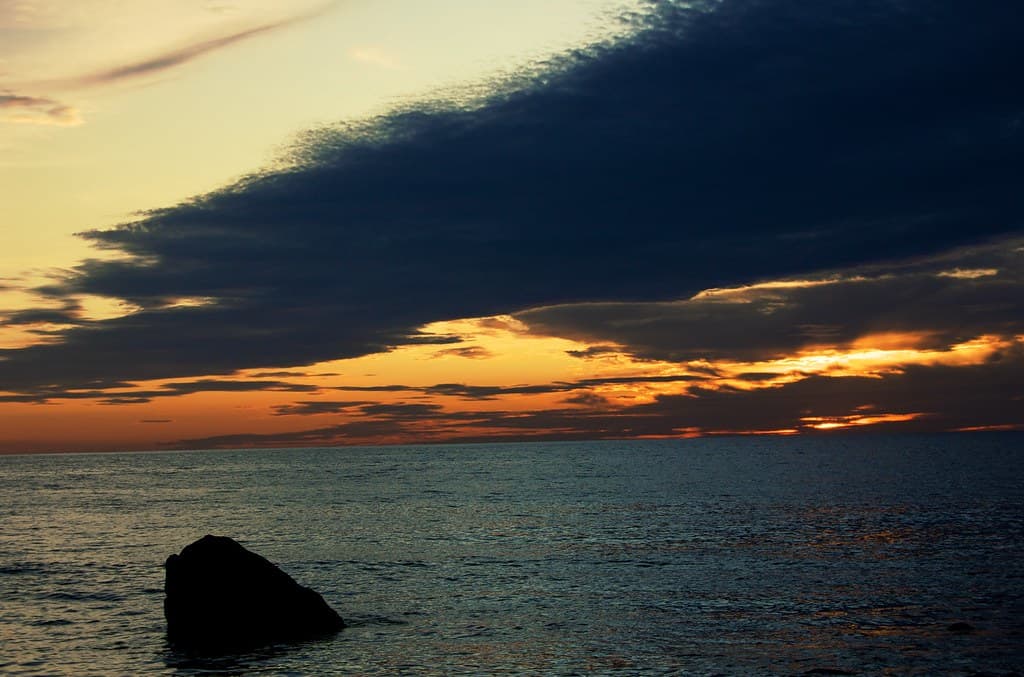
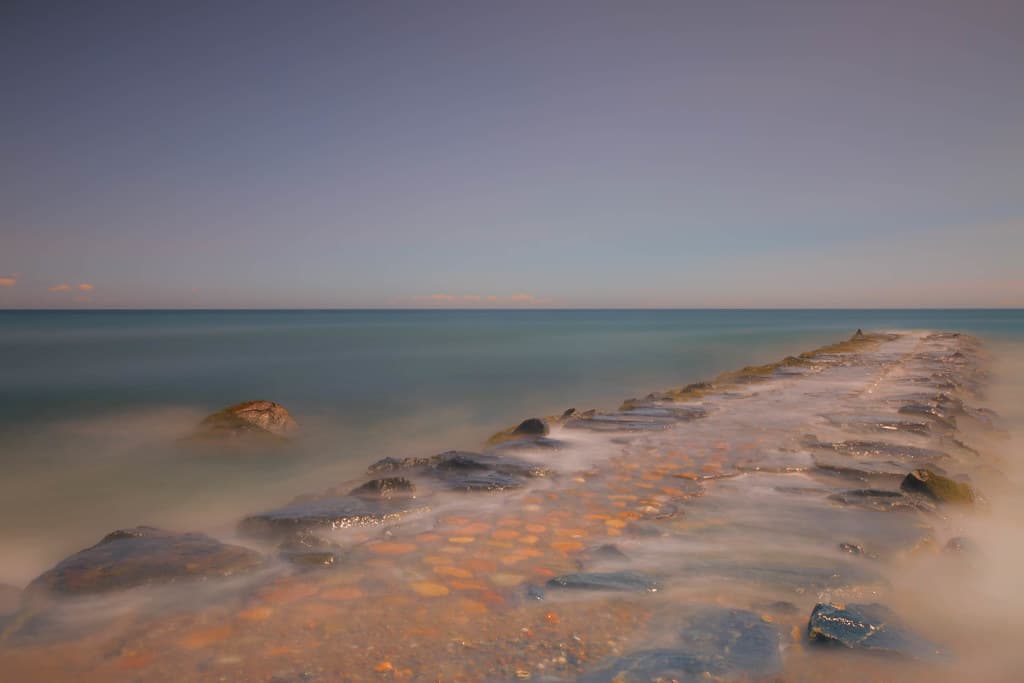
Black Rock Beach earns its name from the jumble of dark basalt and granite that tumbles into the surf along Block Island's exposed western flank. This isn't the kind of place where you spread a towel and doze; the shore is a collection of smooth stones worn oval by centuries of wave action, and the water churns with a white-capped intensity that commands respect. Offshore rocks jut from the foam like the bones of some ancient wreck, and on stormy days the spray can reach twenty feet into the air. You'll find the beach by following dirt paths that wind through beach plum thickets and wild rosa rugosa, their pink blooms incongruous against the austere beauty of the coastline. The shoreline curves in and out of small coves where tidal pools collect starfish and green crabs, and the shelf drops off quickly into deeper water. Most visitors to Block Island stick to the sandy eastern beaches; those who venture here do so for solitude and the kind of raw coastal drama that belongs in a Winslow Homer painting. The light changes constantly as clouds race overhead, turning the water from slate to pewter to a deep navy that reflects the rocks below. Bring binoculars—the offshore boulders serve as haul-out spots for harbor seals in early summer, and the surrounding bluffs shelter peregrine falcons. This is a place for watching weather roll in, for listening to the percussion of stone on stone as waves retreat, for remembering that not every shoreline needs to be tamed.

Places, rentals, tours and events within walking and driving distance of Black Rock Beach.
Photos
Black Rock Beach has rocky shorelines and can experience strong currents, making swimming conditions challenging compared to Block Island's sandy beaches. The beach is more popular for tide pooling, photography, and exploring the dramatic rock formations than swimming. If you do enter the water, exercise caution, wear water shoes to protect against sharp rocks, and avoid going in during rough surf. Always check local conditions before entering the water, and be aware that this remote beach has no lifeguards on duty.
Black Rock Beach can be visited year-round, but late spring through early fall (May-October) offers the most pleasant weather for exploring the rocky coastline. Summer brings warm temperatures ideal for tide pooling and beachcombing, though Block Island sees peak crowds July-August. Visit during shoulder seasons (May-June, September-October) for fewer tourists and dramatic coastal scenery. Low tide is the best time to explore the tide pools and rock formations regardless of season. Winter visits offer solitude and stunning storm-watching opportunities for hardy visitors.
Black Rock Beach is located on Block Island's southeastern coast, accessible via a moderate hike. From New Harbor, take Corn Neck Road north, turn onto Mansion Road, then follow it to the trailhead. Limited roadside parking is available near the trail entrance. The walk to the beach involves a roughly 15-20 minute hike across uneven terrain. Note that Block Island itself requires a ferry from Point Judith, Rhode Island, or seasonal flights. Bicycles are popular for getting around the island once you arrive.
Black Rock Beach is a remote, undeveloped beach with no facilities, restrooms, or food services on-site. You'll need to bring all supplies, including water, snacks, and sun protection. The nearest restaurants, shops, and amenities are in the main village areas of Old Harbor and New Harbor, approximately 2-3 miles away. Block Island offers numerous dining options ranging from casual seafood shacks to upscale restaurants, plus grocery stores for picnic supplies. Several hotels, inns, and vacation rentals are available across the island for overnight stays.
Black Rock Beach stands out for its dramatic rock formations and secluded, rugged character, contrasting sharply with Block Island's popular sandy beaches like Crescent Beach. The beach features striking dark boulders and tide pools teeming with marine life, making it a favorite for photographers and nature enthusiasts. Its relative remoteness and hiking access keep crowds minimal, offering a peaceful escape. The unique geological formations create excellent opportunities for exploring coastal ecology and discovering sea creatures during low tide, making it ideal for adventurous visitors seeking natural beauty over traditional beach activities.