Counting the waves…
Counting the waves…

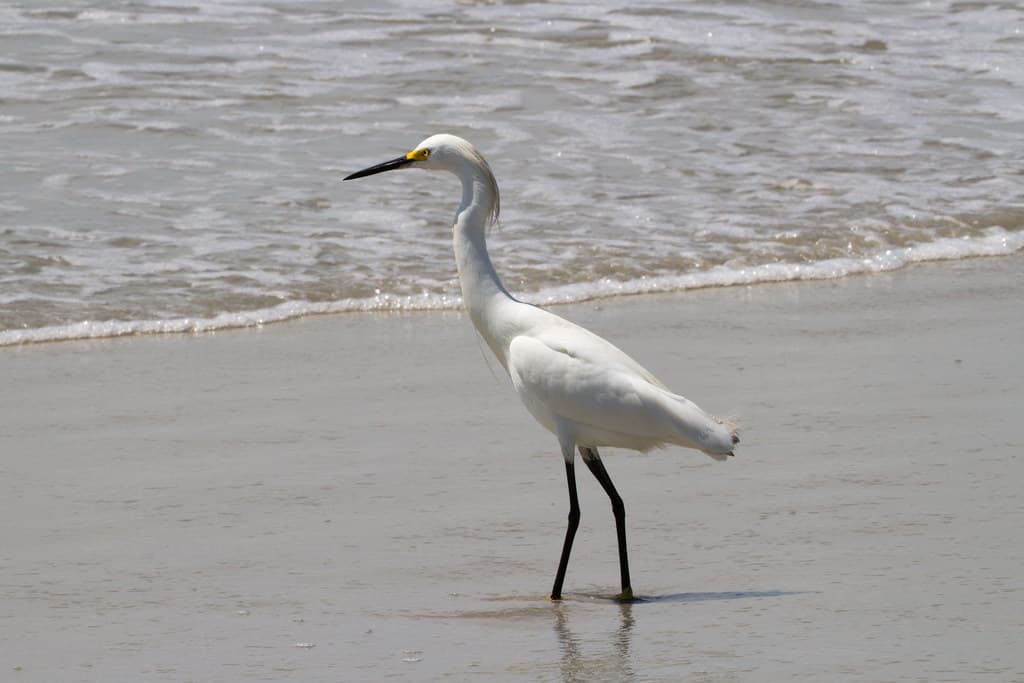
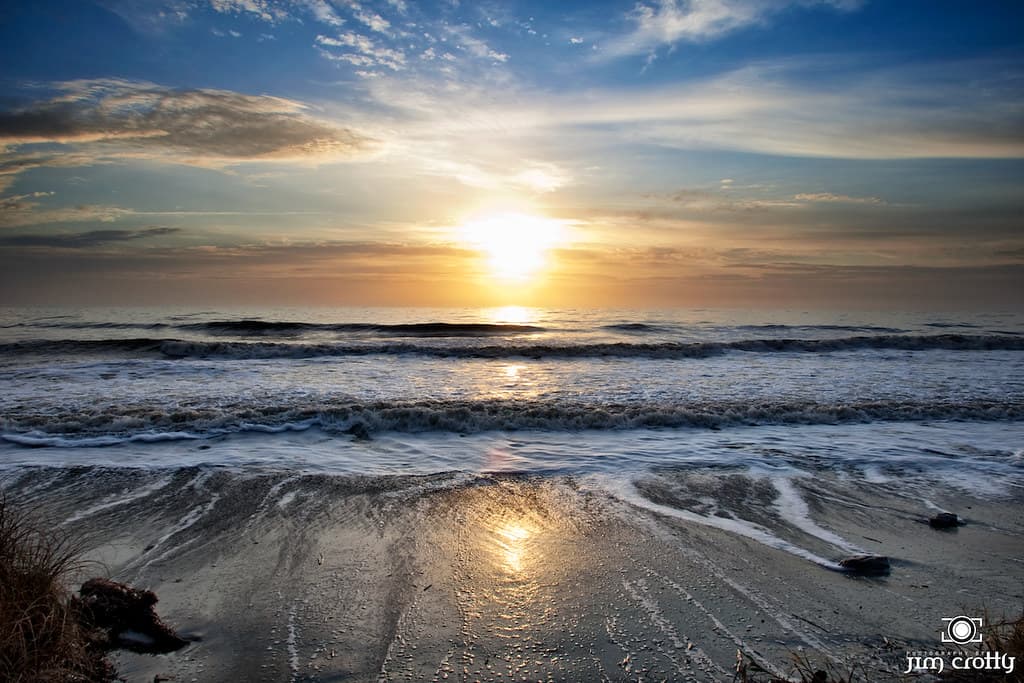
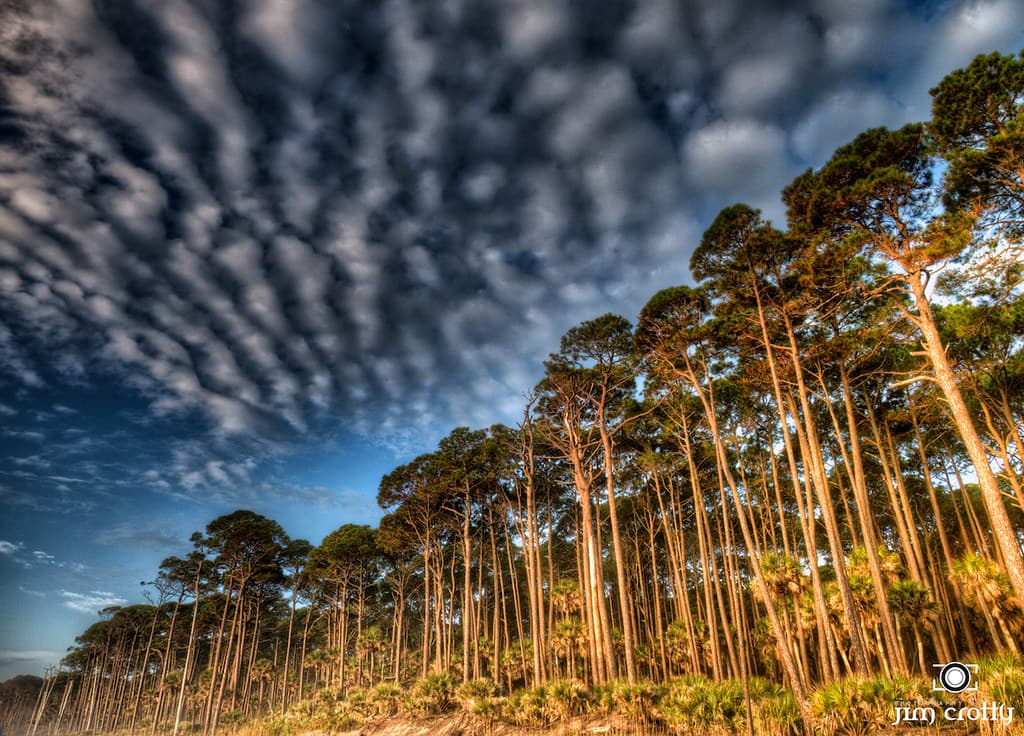
The beach reveals itself in layers: firm sand that holds your footprint for hours, then tidal pools warm as bathwater where fiddler crabs scatter at your approach. Beyond the high-tide line, the boneyard forest—a graveyard of live oaks and palmetto palms toppled by decades of erosion—creates a sculptural maze that shifts with every nor'easter. Families stake umbrellas near the boardwalk where the sand is softest; further south, the beach empties into long, uninterrupted stretches where shorebirds outnumber people. The 5,000-acre state park wraps around the Atlantic side, buffered by tidal creeks thick with oyster beds and salt grass that glows amber in late afternoon. You can walk from the fishing pier to the lighthouse and back without ever leaving sand, passing rental cabins tucked into palmetto groves and a nature center that explains why this island keeps moving westward, pushed by wind and tide. Come in October when the crowds thin and the water still hovers in the mid-seventies, or arrive at dawn any month to watch dolphins work the sandbars just beyond the breakers. The park gate opens at six, an hour before the beachcombers and the fishing guides and the toddlers wielding plastic shovels arrive to reshape the shoreline one bucket at a time.
Places, rentals, tours and events within walking and driving distance of Hunting Island State Park Beach.
Photos
Swimming is generally safe at Hunting Island, but conditions vary. The beach has experienced significant erosion, creating steep drop-offs near shore and occasionally strong currents. There are no lifeguards on duty, so swim at your own risk and supervise children closely. Check weather conditions before entering the water, as waves can be rough during storms or high winds. The park posts warning flags when conditions are hazardous. Always stay aware of changing tides and avoid swimming near the eroded areas where fallen trees may be present in the water.
Spring (March-May) and fall (September-November) offer the most pleasant conditions with temperatures in the 70s-80s°F, fewer crowds, and lower humidity. Summer (June-August) is warmest for swimming but brings heat, humidity, and peak visitation. Winter remains mild (50s-60s°F) and uncrowded, ideal for beachcombing and wildlife viewing, though water is too cold for most swimmers. Hurricane season runs June through November. Early morning visits year-round provide the best light for photography and lighthouse views, plus opportunities to spot dolphins and shorebirds.
Hunting Island is located 16 miles east of Beaufort via US-21 East. From Interstate 95, take exit 33 and follow signs through Beaufort. The park entrance has ample parking lots near the beach, lighthouse, and nature center, with spaces for both regular vehicles and RVs. There's a daily entrance fee ($8 for adults, $5 for South Carolina seniors, free for children). Parking fills quickly on summer weekends and holidays, so arrive early. The main beach parking area provides direct access to the shore and restroom facilities.
The park has no restaurants, so bring your own food and drinks. Vending machines are available near the nature center. Picnic areas with tables and grills are scattered throughout the park. For dining, drive to nearby Fripp Island (limited public access) or return to Beaufort, which offers numerous restaurants 16 miles away. The park has 200 campsites for tents and RVs, plus 15 rustic one- and two-bedroom cabins that require advance reservations. Beaufort offers hotels, B&Bs, and vacation rentals for non-camping visitors.
Yes, the historic 1875 lighthouse is open for climbing, offering panoramic views from 132 feet above sea level. You'll ascend 167 steps up a steep, winding staircase. The lighthouse is typically open daily 10am-4:45pm, though hours vary seasonally and it closes during inclement weather. There's a small additional fee beyond park admission (around $2). The lighthouse is South Carolina's only publicly accessible lighthouse. Due to beach erosion, it now sits further inland than originally built. The climb isn't recommended for those with mobility issues or heart conditions.