Counting the waves…
Counting the waves…

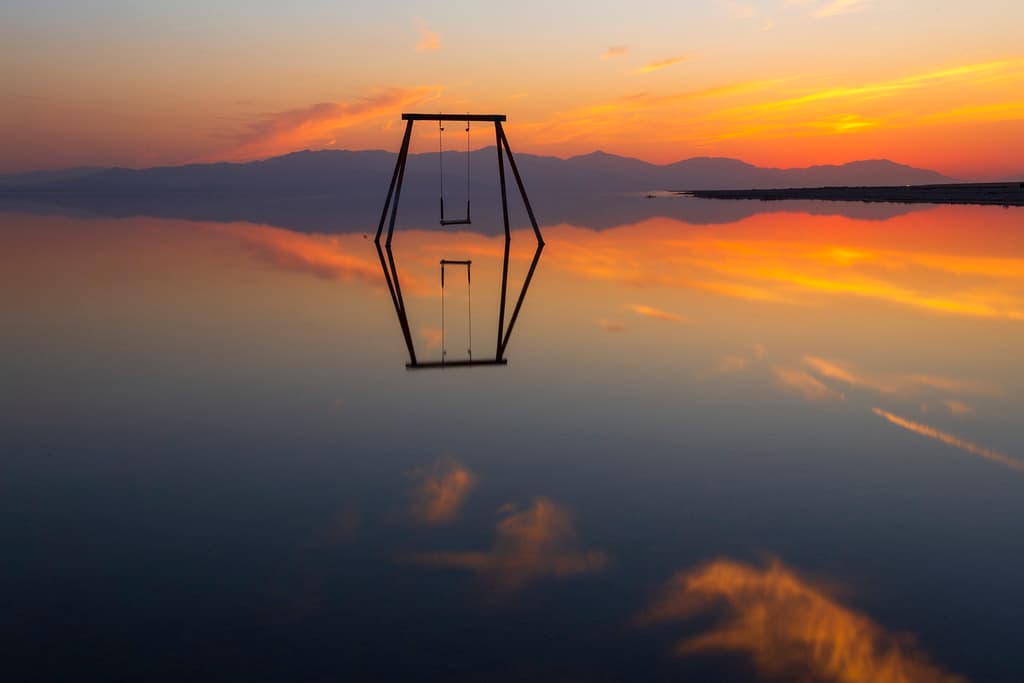
Fish Pass Beach unfolds along a stretch of Mustang Island where the tourist current slows to a trickle. You park roadside on Park Road 53, stepping over sea oats onto sand that holds the imprint of shorebirds longer than footprints. The water here laps rather than crashes—this is lagoon-side territory, where the Laguna Madre spreads flat and warm, ideal for wading far from shore without losing your footing. Anglers claim the flats at dawn, casting for redfish and speckled trout in knee-deep water that shifts from khaki to bronze depending on the light. By mid-afternoon, the beach belongs to kiteboarders harnessing the relentless Gulf breeze, their sails snapping bright against the pale horizon. You'll notice pickup trucks parked at intervals, coolers in the bed, locals who've been coming here since before the condo towers sprouted down-island. Sunset transforms Fish Pass into something worth the drive from downtown Corpus Christi. The sky stratifies—pink nearest the water, then coral, then deep plum—and the shallow bay mirrors every shade. You won't find beach bars or rental chairs, just the hiss of wind through spartina grass and the occasional splash of a mullet. It's the kind of place that reminds you why Texans guard their coastline secrets carefully.
Places, rentals, tours and events within walking and driving distance of Fish Pass Beach.
Photos
Fish Pass Beach is generally safe for swimming, but conditions vary. The pass area can have stronger currents, especially during tidal changes, so swimmers should exercise caution and stay aware of water movement. The beach is less patrolled than busier Corpus Christi beaches, so swim at your own discretion. Check local weather and tide forecasts before visiting. Jellyfish can be present seasonally, and the rocky areas near the pass require careful footing. Families with children should supervise closely and consider swimming away from the pass itself.
Fish Pass Beach is accessible year-round, with each season offering different experiences. Spring and fall provide comfortable temperatures and fewer crowds. Summer brings warm Gulf waters but can be hot and humid. Winter remains mild compared to northern destinations, though occasional cold fronts occur. The beach is particularly popular for sunsets throughout the year. Weekdays tend to be quieter than weekends. Early morning and late afternoon visits offer the best lighting for photography and wildlife viewing, plus cooler temperatures during summer months.
Fish Pass Beach is located on the northern end of Mustang Island, accessible via Park Road 53 from Corpus Christi. Cross the JFK Causeway toward Port Aransas, then turn onto Park Road 53 heading south. The beach has limited parking areas along the roadside. Parking is typically free but space can be limited during peak times and weekends. Four-wheel-drive vehicles can access additional beach areas, though permits may be required for certain sections. Arrive early during busy periods to secure parking.
Fish Pass Beach is relatively undeveloped with minimal on-site amenities. There are no bathrooms, showers, or food vendors directly at the beach, so come prepared with supplies. The nearest restaurants, shops, and full facilities are in Port Aransas, approximately 10-15 minutes north, or back toward Corpus Christi. Lodging options include hotels and vacation rentals in Port Aransas or Corpus Christi. Pack water, snacks, sunscreen, and plan for restroom stops before arriving at this more remote beach location.
Fish Pass Beach offers a quieter, more natural alternative to crowded tourist beaches. Its location near the pass between Corpus Christi Bay and the Gulf creates unique opportunities for observing marine life and birds moving through the channel. The beach attracts fewer crowds, providing a more secluded experience. It's favored by locals for fishing, shell collecting, and spectacular sunset views. The landscape feels less commercialized, with natural dunes and vegetation. The proximity to the pass also makes it interesting for watching boats navigate between bay and ocean.