Counting the waves…
Counting the waves…

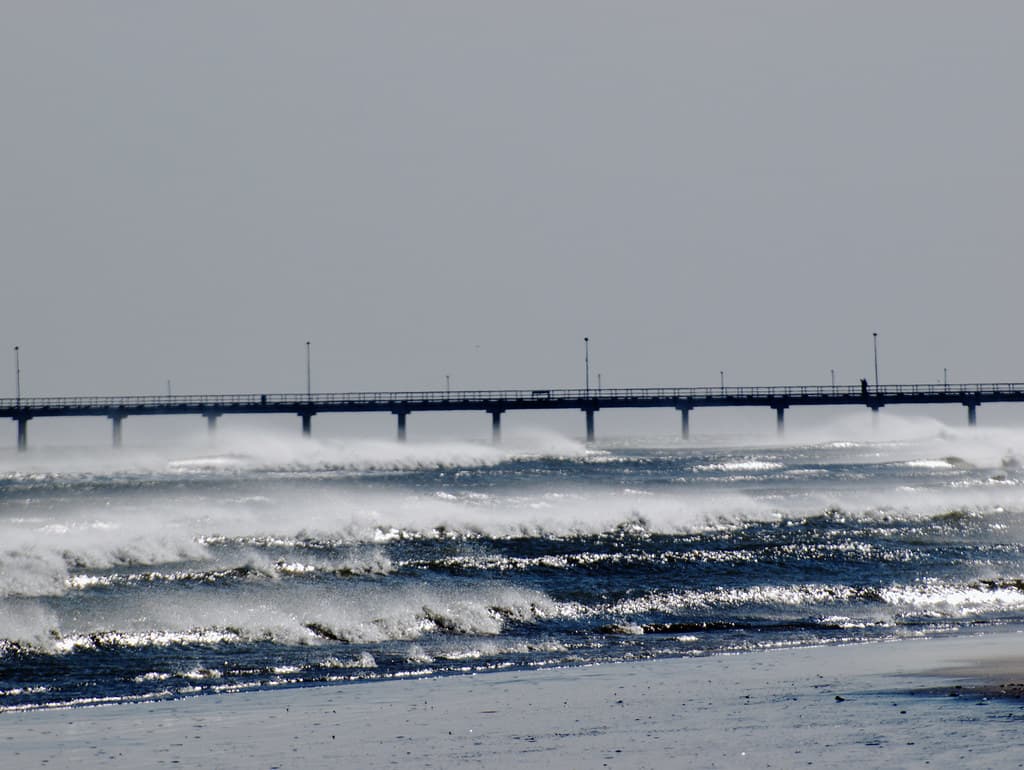
Pull off Park Road 22 and the Gulf spreads wide and honest before you—no boardwalks, no high-rises, just dunes stitched with sea oats and a shoreline that runs unbroken toward the horizon. Whitecap earned its name from the reliable chop that rolls in from the southeast, stacking up rideable shoulders on good days and offering waist-high shore break most others. Families stake out spots near the wooden access ramps, coolers wedged into the sand, while teenagers bodyboard the inside reform and gulls work the tide line for stranded baitfish. The beach widens at low tide, revealing hard-packed sand ribboned with coquina shells and the occasional washed-up Portuguese man-o-war—watch where you step. During summer weekends the crowds thicken near the pavilions, but walk a quarter-mile in either direction and you'll find solitude punctuated only by the thrum of diesel engines from tankers moving through the Corpus Christi Ship Channel. The water stays warm through October, tinged the color of sweet tea from sediment stirred up by the steady wind. Sunset here is a slow burn—the sky flares amber and rust behind the dunes, silhouetting the few scattered palms and the occasional kiteboarder carving downwind. You'll leave with sand in your shoes, salt tightening your skin, and the low rumble of the surf still echoing in your ears long after you've crossed back over the JFK Causeway.
Places, rentals, tours and events within walking and driving distance of Whitecap Beach.
Photos
Whitecap Beach generally offers safe swimming conditions for families, though the Gulf of Mexico can have variable waves and currents. The beach is popular for surfing, indicating moderate wave activity. Always check local beach flag warnings before entering the water—red flags mean dangerous conditions. Jellyfish can be present seasonally, particularly in summer months. Lifeguards are not always on duty, so supervise children closely. The sandy bottom and gradual slope make it suitable for wading, but be aware of changing tides and occasional riptides during rough weather.
Whitecap Beach enjoys year-round visitation, but April through October offers the warmest water temperatures (75-85°F) ideal for swimming. Summer (June-August) brings peak crowds and hot, humid weather with temperatures in the 90s°F. Spring and fall provide comfortable conditions with fewer visitors and pleasant temperatures in the 70s-80s°F. Winter remains mild (60s-70s°F) for beachcombing and sunset viewing, though water is cooler. Avoid visiting during hurricane season peaks (August-September) when storms can impact the Texas coast.
Whitecap Beach is located on North Padre Island, approximately 15-20 minutes from downtown Corpus Christi. Take Highway 358 (South Padre Island Drive) east toward Padre Island, then turn onto Park Road 22. The beach offers designated parking areas along the beachfront. Parking is typically free but can fill quickly during summer weekends and holidays. Some areas allow beach driving with proper permits. The beach is accessible by car only—no public transportation serves this location directly.
Whitecap Beach has limited on-site amenities, but nearby North Padre Island offers various dining and lodging options within a short drive. You'll find beach houses, condos, and hotels along Park Road 22 and the surrounding area. Restaurants range from casual seafood spots to beachfront bars, mostly concentrated a few miles north. For more extensive dining and shopping, downtown Corpus Christi is 20 minutes away. Many visitors bring coolers and beach supplies, as immediate beachfront services are minimal at this more natural beach setting.
Whitecap Beach is one of Corpus Christi's most popular surfing spots, particularly favored by beginners and intermediate surfers. The beach typically receives consistent Gulf swells that create rideable waves, especially during windy conditions and after cold fronts. Wave heights are generally moderate (2-4 feet), making it ideal for learning. The sandy bottom is forgiving for new surfers. Best surf conditions usually occur in fall and winter, or during tropical weather systems. Local surf shops in the area offer board rentals and lessons for those wanting to try the sport.