
Counting the waves…
Counting the waves…

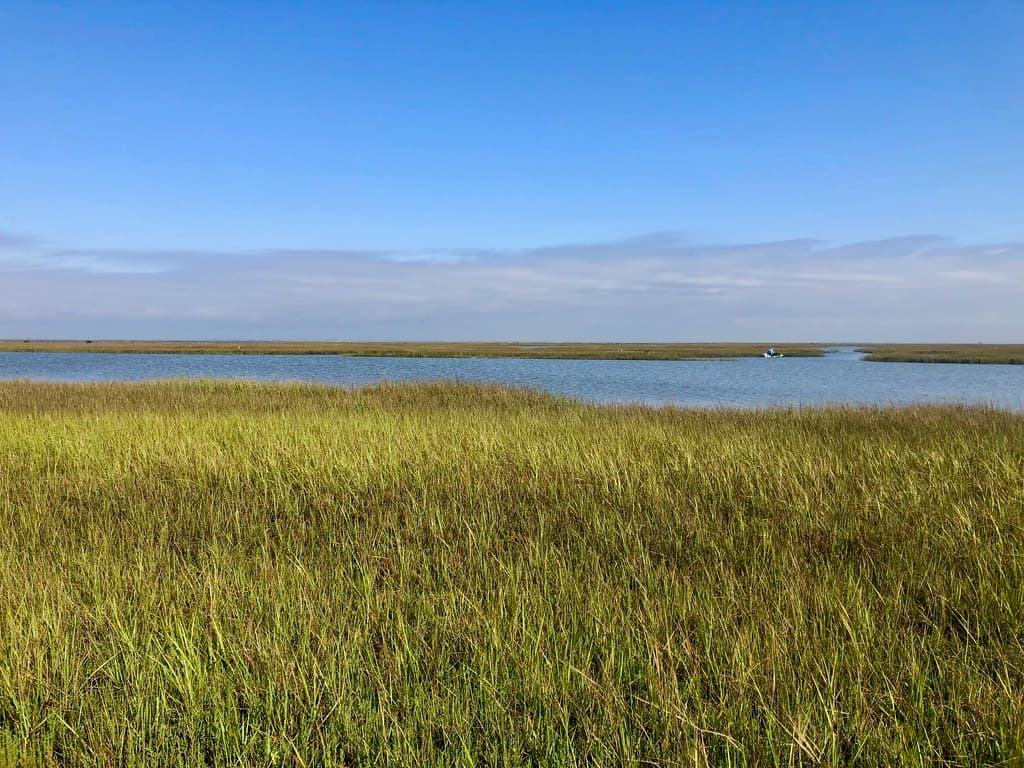
Galveston Island State Park Beach occupies the less-trampled western end of the island, where 2,000 acres of dune field, coastal prairie, and tidal marsh meet the Gulf in a sweep of sand that feels worlds away from the high-rise waterfront. You park amid scrubby vegetation and wooden boardwalks, then step onto a beach where the only skyline is the one nature drew. Great blue herons stalk the shallows, and at low tide, tidal pools reveal hermit crabs and tiny shrimp darting over oyster-shell rubble. The sand here is tan and firm underfoot, the water a murky jade-green—characteristic of the Gulf's silt-laden currents—but the lack of crystalline clarity is more than compensated by the abundance of life. Shorebirds trace the tide line, dolphins surface offshore, and during spring and fall migrations, warblers and tanagers flit through the live oaks edging the campgrounds. You can wade into gentle rollers, cast a line from the jetty, or simply spread a blanket and watch the sun sink into the bay side, painting the spartina gold. Beyond the beach, trails thread through the marsh, offering close encounters with roseate spoonbills and alligators. The park's dual-sided geography—Gulf beach on one edge, Galveston Bay wetlands on the other—creates a microcosm of the Texas coast's ecological wealth, all within a short drive from Houston.
Places, rentals, tours and events within walking and driving distance of Galveston Island State Park Beach.
Photos
Swimming is generally safe at Galveston Island State Park Beach, though conditions vary. The Gulf waters here tend to be calmer than open beaches, making it suitable for families. Lifeguards are not typically stationed year-round, so swim at your own risk and check weather conditions before entering. Watch for jellyfish, especially in summer months, and be aware of occasional rip currents. The beach posts flags indicating water conditions. Always supervise children closely and avoid swimming during storms or when advisory flags are displayed.
Galveston Island State Park Beach is accessible year-round, with each season offering different advantages. Spring (March-May) and fall (September-November) provide pleasant temperatures with fewer crowds, ideal for birdwatching and beachcombing. Summer (June-August) brings peak beach weather but higher humidity and more visitors. Winter months are mild and perfect for nature walks, though water temperatures are too cool for most swimmers. Weekdays are generally less crowded than weekends. Sunrise and sunset offer spectacular views and excellent photography opportunities throughout the year.
Galveston Island State Park Beach is located along FM 3005 (Stewart Road), approximately 10 miles southwest of downtown Galveston. From Houston, take I-45 South across the causeway, then follow signs westward on the island. The park has ample parking available near beach access points, with a daily entrance fee required (typically around $5 per person for ages 13 and up). Parking lots accommodate cars, RVs, and trailers. The park opens daily, and spaces generally fill during summer weekends and holidays, so arrive early for best availability.
Galveston Island State Park Beach offers basic amenities including restrooms, outdoor showers, and picnic areas with tables and grills, but no on-site restaurants or food vendors. Visitors should bring their own food, drinks, and beach supplies. The park has a nature center with educational exhibits. For dining and shopping, drive back toward Galveston's historic Strand District or Seawall Boulevard, about 10-15 minutes away, where you'll find numerous restaurants, grocery stores, and beach shops. Nearby hotels and vacation rentals are available in Galveston proper.
Galveston Island State Park Beach is renowned for exceptional wildlife viewing, particularly birds. The park sits along the Central Flyway migration route, making it prime for spotting shorebirds, wading birds, and raptors, especially during spring and fall migrations. You may see pelicans, herons, egrets, and various sandpipers. The park features multiple ecosystems including beach, dunes, bay, and wetlands accessible via hiking and paddling trails. Look for ghost crabs on the beach and occasional dolphins offshore. The nature center provides information about local species and ecosystems.