Counting the waves…
Counting the waves…

Indianola Beach sits on a crescent of Lavaca Bay shoreline where the Texas Mid-Coast sheds its tourist veneer. The sand here is caramel-colored and gritty, packed firm enough for barefoot walks but soft where the tide retreats. Gulls work the shallows alongside waders in knee-deep water casting for speckled trout, and the horizon is broken not by resort towers but by the skeletal frames of offshore platforms and the occasional barge crawling toward Port Lavaca. The park's pavilions and picnic tables fill with multigenerational gatherings—coolers of homemade tamales, card games that stretch past dusk, children racing between the playground and the lapping waves. The pier draws a steady parade of anglers and evening walkers who come to watch shrimp boats return, their nets folded like wings against the masts. At sunset, the sky turns apricot and rose over the bay, and the water goes glassy and still. This isn't a beach you stumble upon while chasing Instagram moments. It's a place Calhoun County residents guard quietly, where Tuesday afternoons feel as unhurried as Sundays, and where the rhythm of tides matters more than the social calendar. You come here to cast a line, let your kids run free, or simply sit under a live oak and watch the water change color as the light fades.
Places, rentals, tours and events within walking and driving distance of Indianola Beach.
Photos
Indianola Beach is generally calm and suitable for wading and swimming, particularly for families with children. The waters of Matagorda Bay tend to be shallower and calmer than open Gulf beaches. However, always check local conditions before entering the water, as jellyfish can occasionally be present. The beach has no lifeguards on duty, so swim at your own risk and supervise children closely. Water clarity varies depending on weather and tides. It's advisable to wear water shoes due to occasional shells and debris.
Indianola Beach is accessible year-round, with each season offering different experiences. Spring (March-May) and fall (September-November) provide comfortable temperatures and fewer crowds, ideal for beachcombing and fishing. Summer brings warmer waters perfect for swimming, though afternoons can be hot and humid. Winter offers mild weather and excellent birding opportunities. The beach is particularly popular for sunset viewing throughout the year. Weekdays are generally quieter than weekends. Hurricane season runs June through November, so monitor weather forecasts during these months.
Indianola Beach is located in Port Lavaca, Texas, along State Highway 316 (Indianola Road). From Port Lavaca's downtown area, follow signs toward Indianola, approximately 10 minutes away. The beach park offers free parking in designated areas near the shoreline. Parking capacity is adequate for typical visitation levels, though spaces may fill during special events or peak summer weekends. The beach is easily accessible by car with paved roads leading to the parking areas. RV parking may be available in larger lots.
Indianola Beach park typically features basic amenities including picnic tables, pavilions, and restroom facilities. For dining, you'll need to head back to Port Lavaca, about 10 minutes away, where you'll find seafood restaurants, casual eateries, and grocery stores. The town offers various lodging options including hotels, motels, and RV parks. Some visitors bring picnic supplies to enjoy at the beach's covered pavilions. Amenities at the beach itself are modest, so plan accordingly and bring any specific supplies you'll need for your visit.
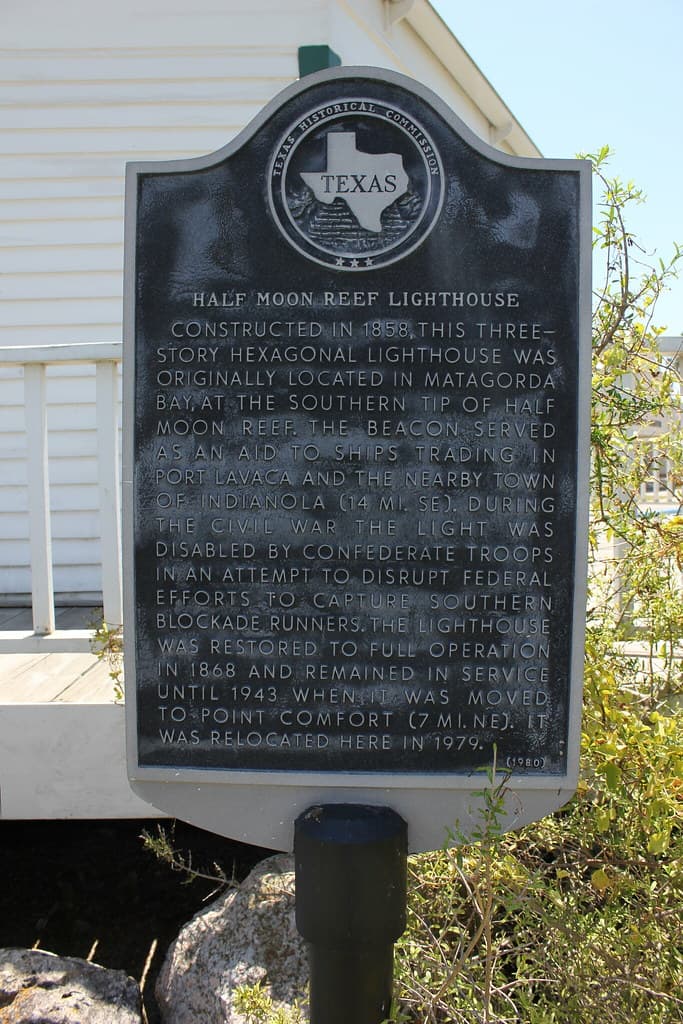
Indianola Beach sits near the historic townsite of Indianola, once Texas's second-largest port city in the 1800s. The original town was completely destroyed by devastating hurricanes in 1875 and 1886, leading to its abandonment. Today, historical markers in the area commemorate this lost city. The beach area offers a unique opportunity to explore local history while enjoying coastal recreation. Some visitors come specifically to learn about the ghost town's story. This historical connection makes Indianola Beach more than just a typical beach destination along the Texas coast.