
Counting the waves…
Counting the waves…

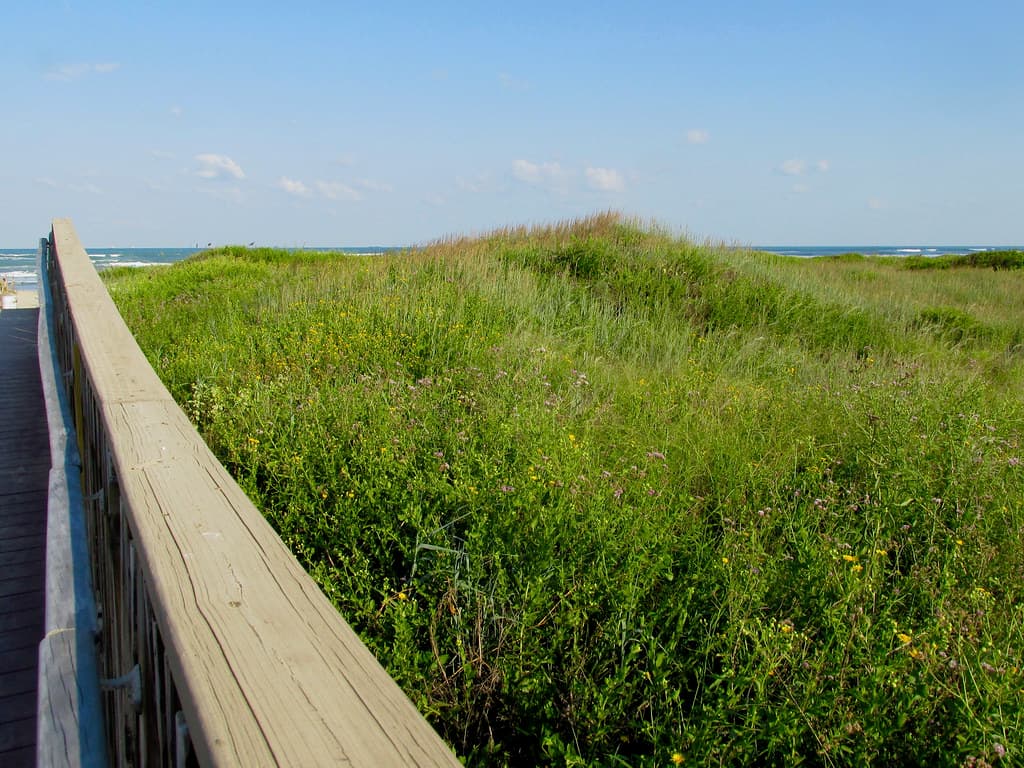
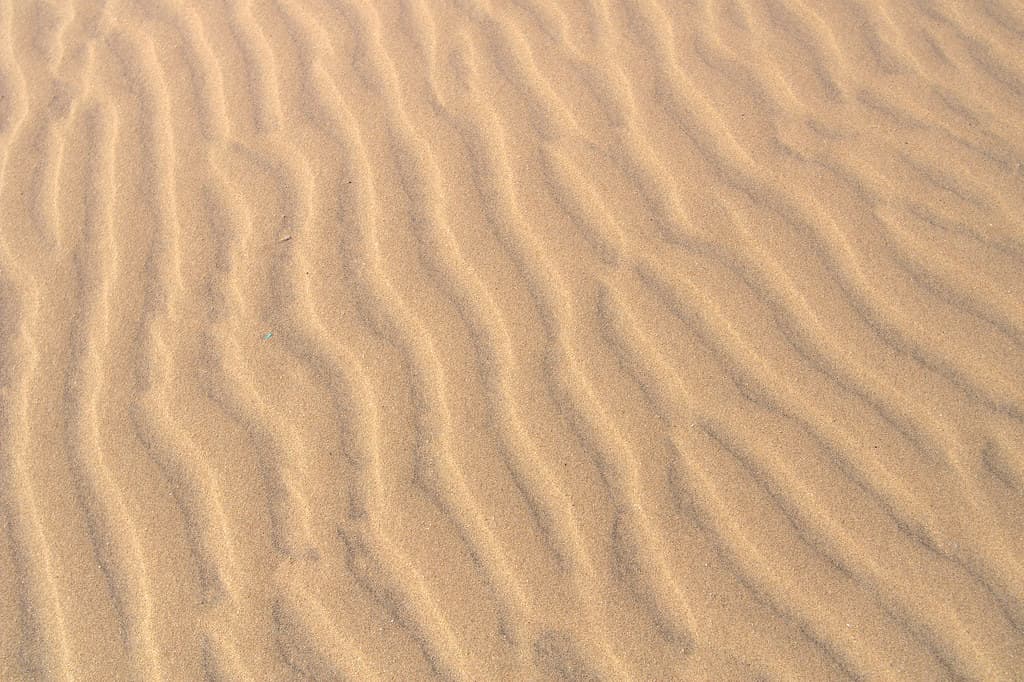
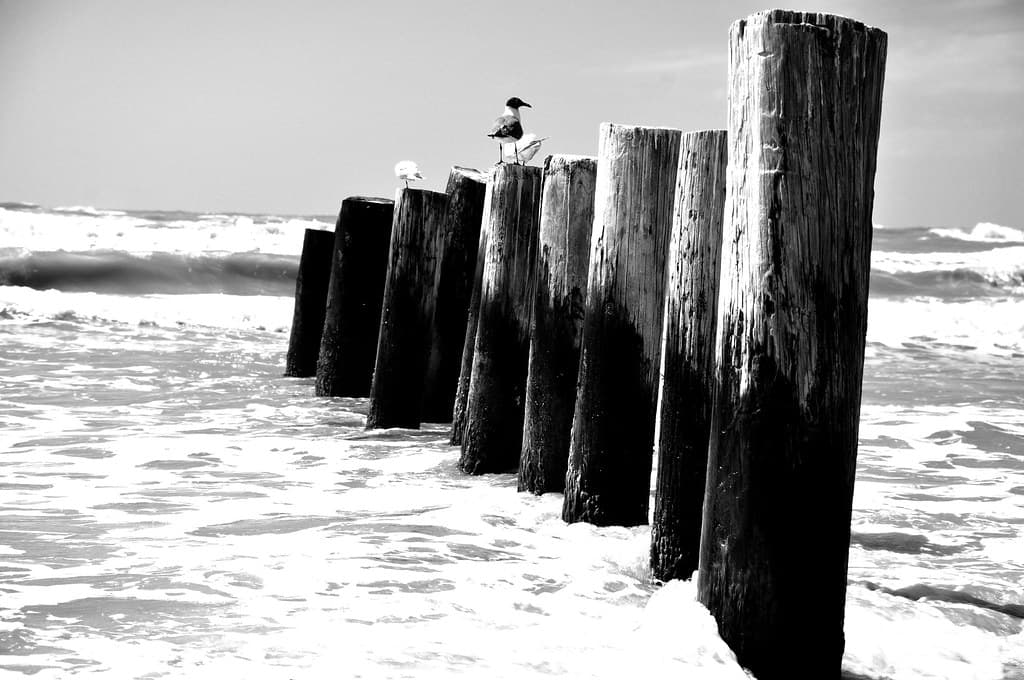
Drive north past the last condo tower and the pavement narrows, the horizon opening into a sweep of sand humps that shift shape with every norther. This is South Padre Island before the developers arrived—dunes that roll like frozen swells, sea oats hissing in the breeze, ghost crabs skittering into their burrows at your approach. The beach itself stretches wide and tawny, shells clustered in tidal scallops, the water a soft jade that darkens to slate under cloud shadow. Most visitors never make it this far, anchored to the hotel zone's umbrella forests five miles south. That leaves you with sanderlings, laughing gulls wheeling overhead, and the occasional horseback rider cantering along the tideline. The dunes block the wind just enough to carve out warm pockets where you can spread a blanket and lose an afternoon to paperbacks and the rhythmic hush of small waves. Come for the hour before sunset when the light goes honeyed and long shadows stripe the dune faces. Climb to a crest—your feet sinking into sand still warm from the day—and watch the Gulf swallow the sun in shades of tangerine and plum. No tiki bars, no jet skis, just the oldest transaction between land and sea playing out in front of you.
Places, rentals, tours and events within walking and driving distance of South Padre Dunes Beach.
Photos
South Padre Dunes Beach generally offers calm Gulf waters suitable for swimming, though conditions vary with weather and season. The beach is less patrolled than the main resort areas, so swim cautiously and check local surf reports before entering. Rip currents can occur, especially during storms or strong winds. The dune-backed setting provides some shelter but means fewer lifeguards nearby. Always supervise children closely, avoid swimming alone, and watch for jellyfish during warmer months. If you're unfamiliar with Gulf conditions, consider staying closer to patrolled sections your first visit.
South Padre Dunes Beach is accessible year-round, with each season offering different advantages. Spring (March-May) and fall (September-November) provide warm temperatures (70s-80s°F) with fewer crowds than summer. Summer brings hot, humid weather and peak tourism but excellent water temperatures. Winter remains mild (60s°F) and quiet, ideal for beachcombing and birdwatching, though water may be too cool for swimming. The beach faces west, making late afternoon the prime time for stunning sunset views over the dunes. Avoid major spring break weeks and holiday weekends if seeking solitude.
South Padre Dunes Beach is located on the quieter, northern end of South Padre Island. Access it via Gulf Boulevard heading north from the main resort area. Look for beach access points with limited parking along the roadside or small designated lots; some areas allow beach driving with a permit. The beach is less developed than southern sections, so parking can be informal and limited. A personal vehicle is essential, as public transit doesn't serve this area well. Check locally about current beach driving regulations and whether permits are required for vehicular beach access.
South Padre Dunes Beach is relatively undeveloped, with minimal on-site amenities—part of its appeal for those seeking quieter shores. You'll find most restaurants, grocery stores, and hotels concentrated in South Padre Island's main resort district, roughly 10-15 minutes south by car. Pack your own food, water, and beach essentials, as there are no nearby concessions or restrooms at the dunes section. For lodging, consider beachfront hotels or vacation rentals in the central island area and drive north for day visits to enjoy this more secluded stretch.
The dunes at this beach serve as important coastal barriers protecting the island from storm surge and erosion while providing critical habitat for native wildlife and vegetation. These natural sand formations create a more pristine, undeveloped atmosphere compared to South Padre's built-up areas. They're fragile ecosystems, so visitors should stay on designated paths and avoid trampling dune vegetation, which stabilizes the sand. The dunes also create dramatic backdrops for sunset photography and offer a glimpse of the island's natural state before development, making this stretch ecologically and scenically valuable.