Counting the waves…
Counting the waves…

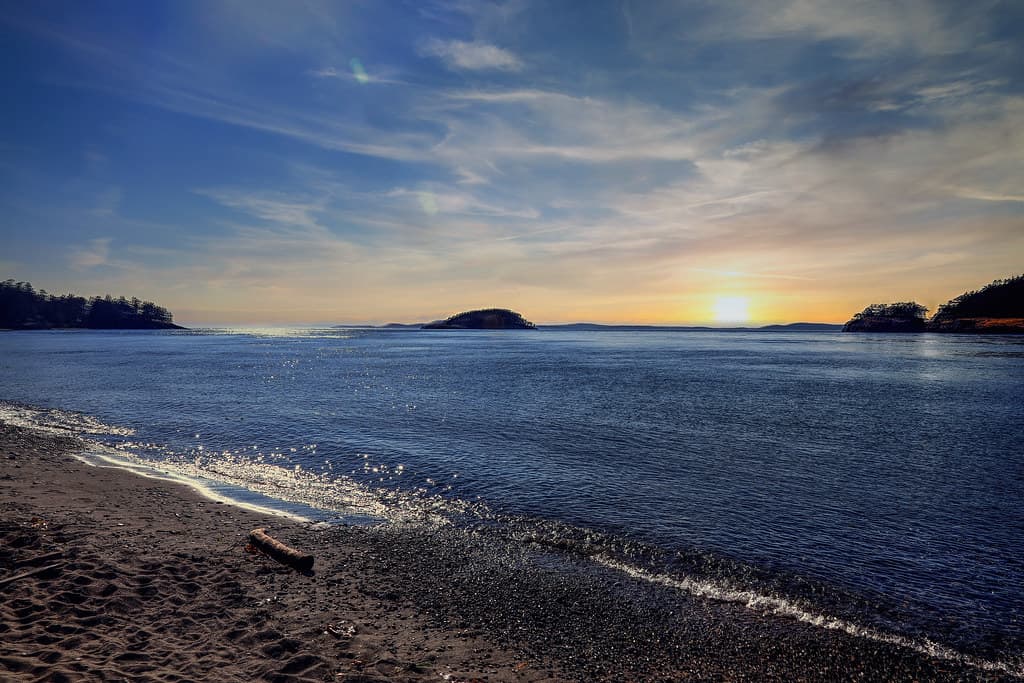
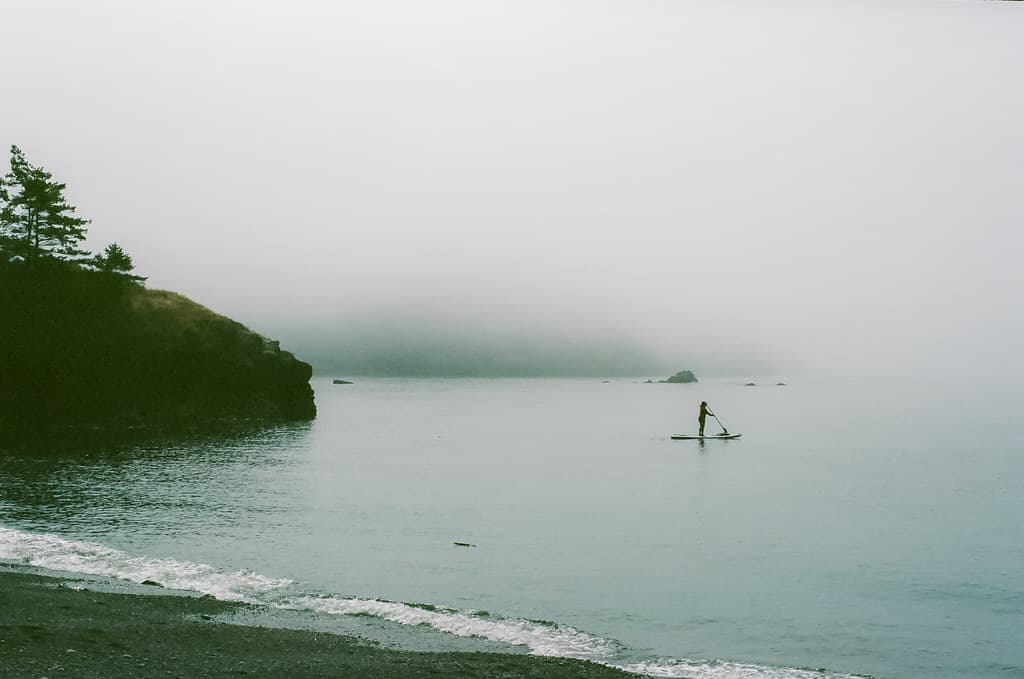
Rosario Beach occupies a sheltered cove on Fidalgo Island's western edge, where the protected waters of the Salish Sea meet the open strait. The shoreline is mostly cobble and barnacle-encrusted boulders, not sand, so you'll want sturdy shoes for navigating the intertidal zone. At low tide, the rocky pools reveal entire ecosystems: crimson anemones retract at your shadow, hermit crabs scuttle beneath bladderwrack, and if you're patient, you might spot a sculpin motionless against the pebbled bottom. The beach curves beneath steep sandstone bluffs streaked with iron oxide, their layered sediments recording ancient river deltas. A short trail climbs to overlooks where you can watch harbor seals surface in the kelp beds and, during spring and fall migrations, orcas patrolling the deeper channels. The Samish Nation considers this coastline sacred; a totem and interpretive center honor the area's indigenous heritage. Come prepared for Washington's mercurial weather—even summer mornings arrive wrapped in fog that burns off by noon, and the wind off the water cuts through cotton layers. The beach faces northwest, so sunsets in June and July paint the sky until nearly ten o'clock, silhouetting the dark humps of distant islands. Winter storms bring the most dramatic waves, though the water never invites swimming; year-round temperatures hover in the low fifties, numbing bare feet within minutes.
Places, rentals, tours and events within walking and driving distance of Rosario Beach.
Photos
Rosario Beach is generally not recommended for swimming due to cold water temperatures year-round (typically 45-55°F) and strong currents. The beach is rocky with significant marine life, making it better suited for tide pooling and wading rather than swimming. There are no lifeguards on duty. The calm-looking waters can have unpredictable currents, especially during tide changes. Visitors should stay alert and supervise children closely near the water. The beach excels as a scenic spot for walking, picnicking, and exploring tide pools during low tide.
Rosario Beach is accessible year-round, with each season offering different experiences. Summer (June-September) provides the most pleasant weather with temperatures in the 60s-70s°F and less rain, ideal for tide pooling and picnicking. Spring and fall offer fewer crowds and dramatic stormy scenery. Winter can be rainy but peaceful. For tide pooling, visit during low tide periods, which vary daily—check local tide charts. Early morning or late afternoon visits provide the best lighting for photography of the scenic coastal rock formations and surrounding islands.
Rosario Beach is located within Deception Pass State Park, about 80 miles north of Seattle. From Anacortes, head south on Highway 20 for approximately 8 miles. Turn west at Rosario Road and follow signs to the beach parking area. There's a dedicated parking lot at Rosario Beach with space for roughly 50 vehicles. A Discover Pass ($10 day-use or $30 annual) is required for parking. The lot can fill quickly on summer weekends, so arrive early. From the parking area, it's a short walk down to the beach.
Rosario Beach has basic amenities including restrooms and picnic tables, but no food services on-site. The beach area features covered picnic shelters perfect for group gatherings. For food, you'll need to drive back to Anacortes (about 15 minutes) where you'll find restaurants, cafes, and grocery stores. Alternatively, pack a picnic to enjoy at the beach. Deception Pass State Park has campgrounds nearby if you're looking to stay overnight, including Bowman Bay and Cranberry Lake campgrounds. The park also has a small interpretive center with educational displays about local marine life.
Rosario Beach is renowned for exceptional tide pooling opportunities, featuring diverse marine ecosystems easily accessible from shore. During low tide, the rocky intertidal zones reveal sea stars (including ochre and sunflower stars), anemones, hermit crabs, sea urchins, and various shellfish. The beach's protected location within Deception Pass State Park has helped preserve these habitats. A marine life interpretive center nearby provides educational context. The beach also features a striking bronze maiden sculpture commemorating the Samish people's connection to the area. Remember to observe tide pool creatures without disturbing them and never remove anything from the beach.