
Counting the waves…
Counting the waves…
A refined fusion of water purity, environmental stability, and communal vibrancy for Eagle Cove Beach.
View MethodologyAnalyzed via live sensors and environmental data.
Wave height, wind, and atmospheric stability.
Live footfall and crowd balance metrics.
Community reviews and curated sentiment.
“You'll smell the salt tang and cedar before you see the water—Eagle Cove hides below Friday Harbor's hillside roads, its cobbled shoreline cluttered with sun-bleached driftwood. The eagles that gave this spot its name…”
Limited recent visitor reports — live OBI telemetry is your best guide for current conditions.
The descent to Eagle Cove follows a narrow trail through Douglas fir and madrone, their papery bark glowing rust-red against the evergreen canopy. When the trees open up, you're standing on a crescent of rounded stones the size of dinner plates, worn smooth by decades of tide. Driftwood logs—some as thick as telephone poles—form natural benches above the high-tide line, their surfaces silvered by wind and water.
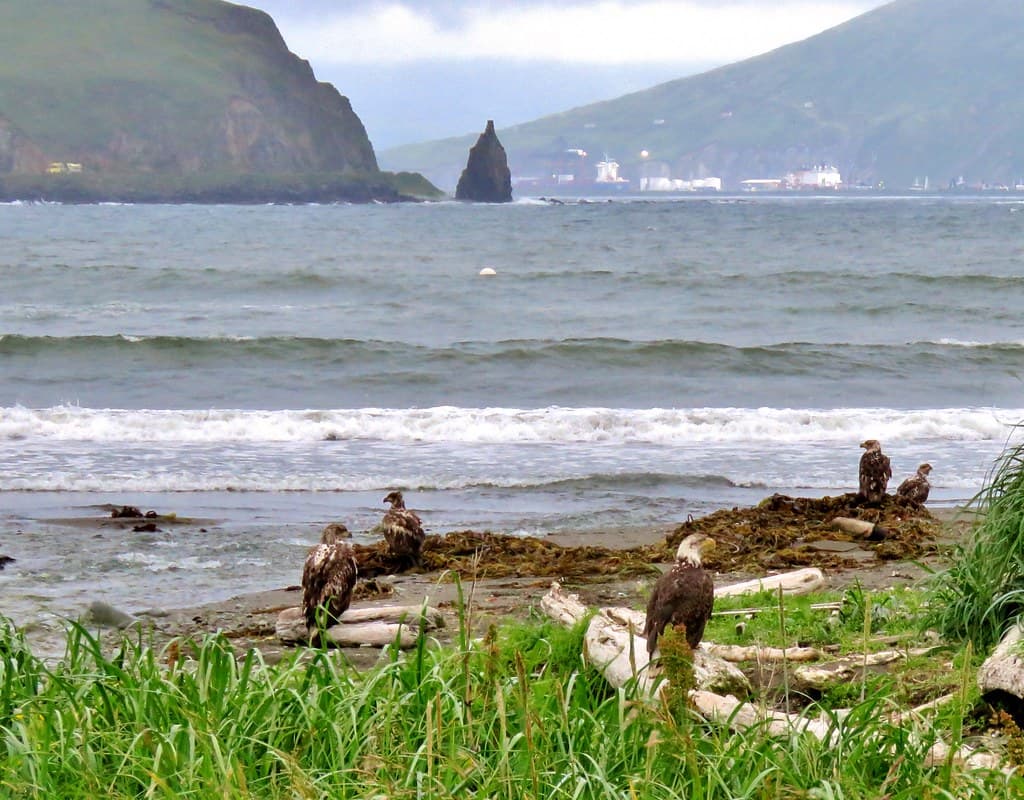
This isn't a beach for spreading towels or building sandcastles. The shoreline here is all function: tide pools cradled between granite outcrops, ribbons of bull kelp snaking through the shallows, and the persistent lap of waves sorting stones with each surge. Across Haro Strait, the Vancouver Island mountains stack up in blue layers, their snowfields visible even in summer. Bald eagles nest in the tallest firs behind the beach, and you'll often spot them perched on driftwood snags, waiting.
Credit: FlickrRaptor Photography
Credit: FlickrHaro Strait Paddling
Eagles perch on driftwood snags
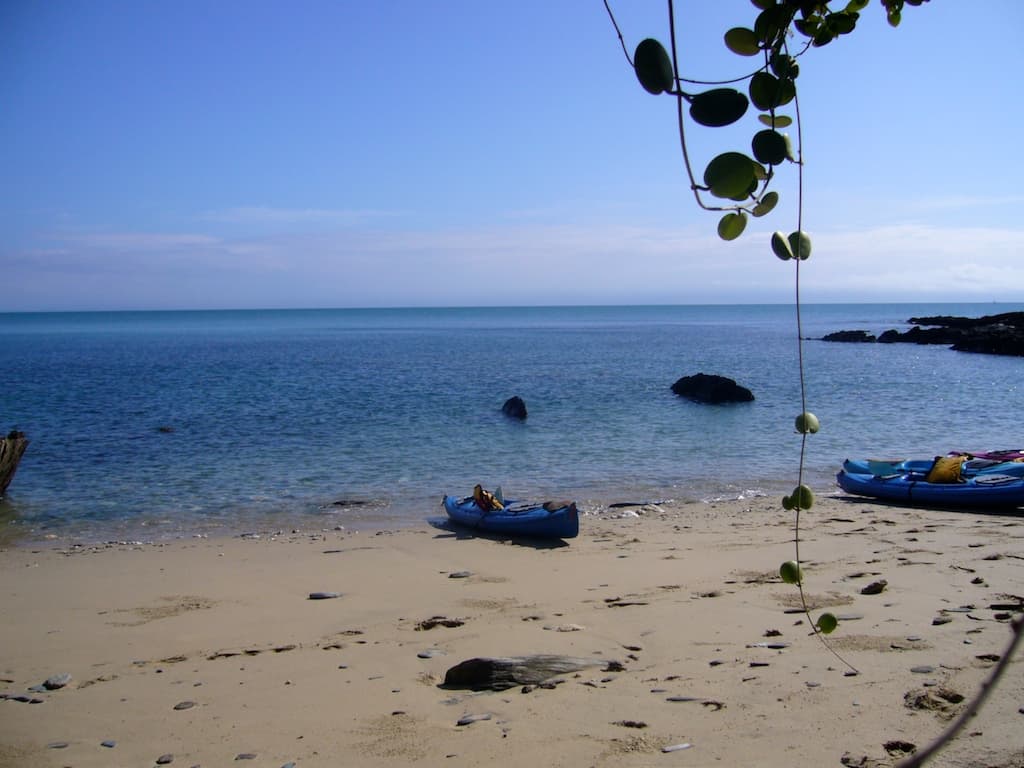
Launch into orca migration corridor
Low tide reveals purple stars
Where it is
Eagle Cove Beach
Friday Harbor, Washington, USA
48.449000°, -122.996800°
Weather
Loading…
Swell
—
Temp
Warm · Restorative
UV Index
Moderate
Wind
—
Tidal State
Last known
Max Sunlight
—
Ideal Shade
—
May - Sep (Peak)
Jan - Dec (Off-season)
Historical data suggests peak visibility and stable sea temperatures occur during the prime visitation window.
Select a category to load nearby places.
Unlock restaurants, luxury stays and curated maritime experiences within 2km
Eagle Cove Beach has cold water year-round, typical of the Pacific Northwest, with temperatures ranging from 45-55°F. The beach features calm, protected waters within the cove, making conditions generally gentle. However, swimming is uncommon due to cold temperatures; most visitors wade or beachcomb instead. There are no lifeguards on duty. The rocky shoreline can be slippery, so wear appropriate footwear. Always check tide schedules, as accessibility changes with tidal conditions. This beach is better suited for scenic walks and wildlife viewing than swimming.
Eagle Cove Beach offers year-round beauty, though each season brings different experiences. Summer (June-August) provides the warmest weather and calmest seas, ideal for beachcombing and photography. Spring and fall offer excellent wildlife viewing, including migrating birds and marine life, with fewer crowds. Winter brings dramatic storm-watching opportunities and peaceful solitude. For the best combination of pleasant weather and San Juan Islands scenery, visit May through September. Early morning or late afternoon visits provide optimal lighting for photography and potential wildlife sightings regardless of season.
Eagle Cove Beach is located on San Juan Island, accessible only via Washington State Ferry from Anacortes (about 1 hour) or inter-island ferries. From Friday Harbor, drive south on Cattle Point Road for approximately 4 miles. Limited roadside parking is available near the beach access point. The path to the beach involves a moderate walk down to the shoreline. Since this is a hidden, less-developed beach, parking is informal and space is limited. Arrive early during summer months. Consider biking or using a moped, popular options on San Juan Island.
Eagle Cove Beach itself has no amenities—no restrooms, food services, or facilities. Friday Harbor, about 4 miles north, offers the nearest restaurants, cafes, grocery stores, and lodging options ranging from hotels to vacation rentals and bed & breakfasts. Pack food, water, and any supplies before visiting the beach. Several accommodations are available along the southern part of the island, closer to the beach than Friday Harbor. Plan ahead as this is a remote beach experience requiring self-sufficiency. Bring out all trash as there are no garbage facilities.
Eagle Cove Beach offers potential orca and whale-watching opportunities, particularly during summer months when Southern Resident orcas frequent the San Juan Islands' waters. The beach's shoreline position provides views of Haro Strait, a known orca corridor. While sightings aren't guaranteed, visitors have spotted orcas, humpback whales, and minke whales from shore. Bring binoculars for best viewing. Peak whale season runs May through September. Additionally, harbor seals, porpoises, eagles, and other marine wildlife are commonly seen year-round, making this an excellent spot for patient wildlife observers.
Photos