
Counting the waves…
Counting the waves…

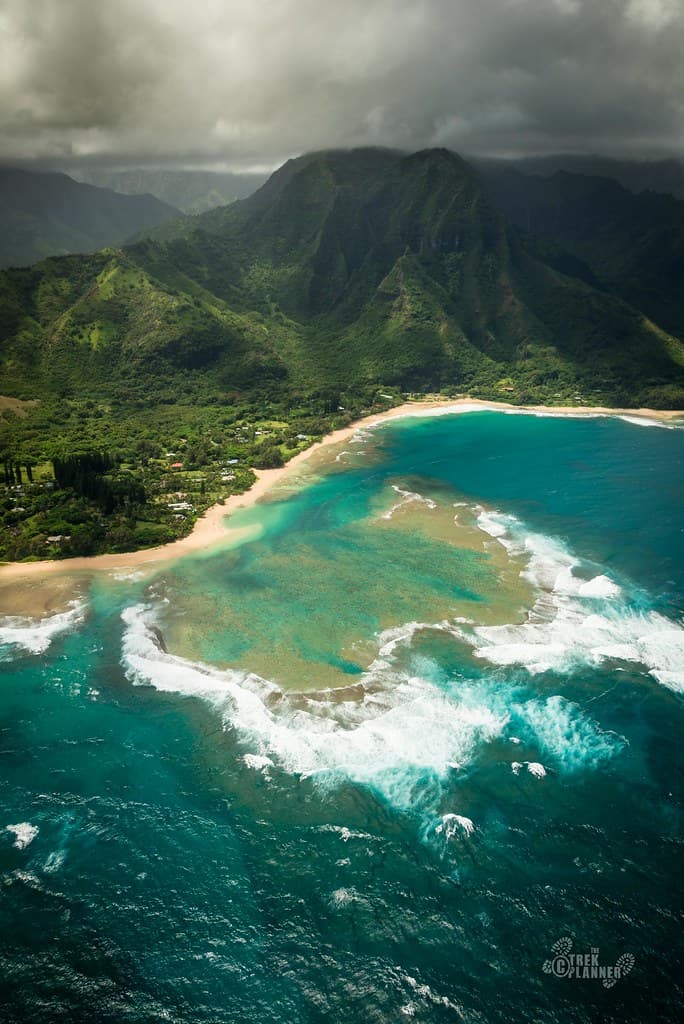
The trail from the parking area drops through a canopy of madrone and fir, their trunks leaning toward Haro Strait. At the bottom, driftwood logs frame a narrow band of beach where rounded stones click and shift with each wave. You'll hear the exhale of harbor seals before you spot their heads bobbing offshore, and on lucky afternoons, the blow of a transient orca pod hunting along the kelp line. This isn't a place for beach blankets or volleyball. The shore is barely wide enough for a dozen people, and the stones make long walks uncomfortable. Instead, perch on a sun-warmed log and watch ferries carve white lines toward Vancouver Island. The water stays cold year-round—mid-fifties even in August—but the view rewards every visit: the serrated spine of the Olympics rises across the strait, their glaciers visible on clear mornings. Local families arrive near dusk in summer, when the lowering sun paints the mountain flanks rose and violet. You'll share the space with great blue herons stalking the tideline and eagles perched in the shoreline pines. The beach faces west into the predominant wind, so bring a fleece even in July. When the tide recedes, tide pools collect in the rocky shelves, revealing purple starfish and hermit crabs the size of walnuts.
Places, rentals, tours and events within walking and driving distance of Little Mountain Park Beach.
Photos
Little Mountain Park Beach is primarily a rocky shoreline rather than a sandy swimming beach. The waters are cold year-round, typically 45-55°F, and currents can be strong in the surrounding Puget Sound channels. Most visitors use this beach for tide pooling, kayaking, and scenic walks rather than swimming. If you do enter the water, wear appropriate thermal protection and be mindful of tides and marine traffic. Always supervise children closely near the water's edge due to slippery rocks and uneven terrain.
Little Mountain Park Beach can be enjoyed year-round, with each season offering different experiences. Summer months (June-August) provide the warmest weather and longer daylight hours, ideal for exploring tide pools and picnicking. Spring and fall offer excellent wildlife viewing with fewer crowds. Winter brings dramatic storm watching opportunities and clear days with stunning views of the San Juan Islands. For tide pooling, plan your visit during low tide periods, which you can check online. Weekday visits typically offer more solitude than weekends during peak summer season.
Little Mountain Park Beach is located on San Juan Island, accessible only by ferry or plane to Friday Harbor. From Friday Harbor's ferry terminal, drive west on Spring Street, which becomes San Juan Valley Road. Follow signs to Little Mountain Park; the beach access is part of the park's trail system. Limited parking is available at the Little Mountain Park trailhead. The beach requires a short hike down from the parking area. Note that Washington State Ferries require reservations during peak season, so book vehicle passage well in advance.
Little Mountain Park Beach has no on-site amenities, restrooms, or food services. It's a natural, undeveloped beach access point. You'll need to bring all supplies, including water, snacks, and any beach gear. The nearest services are in Friday Harbor, approximately 10-15 minutes away by car, where you'll find restaurants, grocery stores, cafes, and public restrooms. Friday Harbor also offers various lodging options including hotels, bed and breakfasts, and vacation rentals. Pack out all trash as there are no garbage facilities at the beach.
Little Mountain Park Beach stands out for its secluded, local character compared to busier island beaches. It offers a more intimate, hidden-gem experience with fewer tourists, making it perfect for those seeking quiet nature time. The beach provides excellent opportunities for discovering marine life in tide pools and offers panoramic views across the water toward other San Juan Islands. Being part of Little Mountain Park, it's integrated into a hiking trail system, allowing visitors to combine beach exploration with forest walks and potential wildlife sightings in a peaceful, less-commercialized setting.