Counting the waves…
Counting the waves…
A refined fusion of water purity, environmental stability, and communal vibrancy for Joseph Whidbey State Park Beach.
View MethodologyAnalyzed via live sensors and environmental data.
Wave height, wind, and atmospheric stability.
Live footfall and crowd balance metrics.
Community reviews and curated sentiment.
“You step onto weathered logs bleached silver by wind and salt, watching purple starfish cling to barnacled rocks as the tide pulls back across Skagit Bay. The Cascade Mountains rise sharp against the eastern horizon,…”
Limited recent visitor reports — live OBI telemetry is your best guide for current conditions.
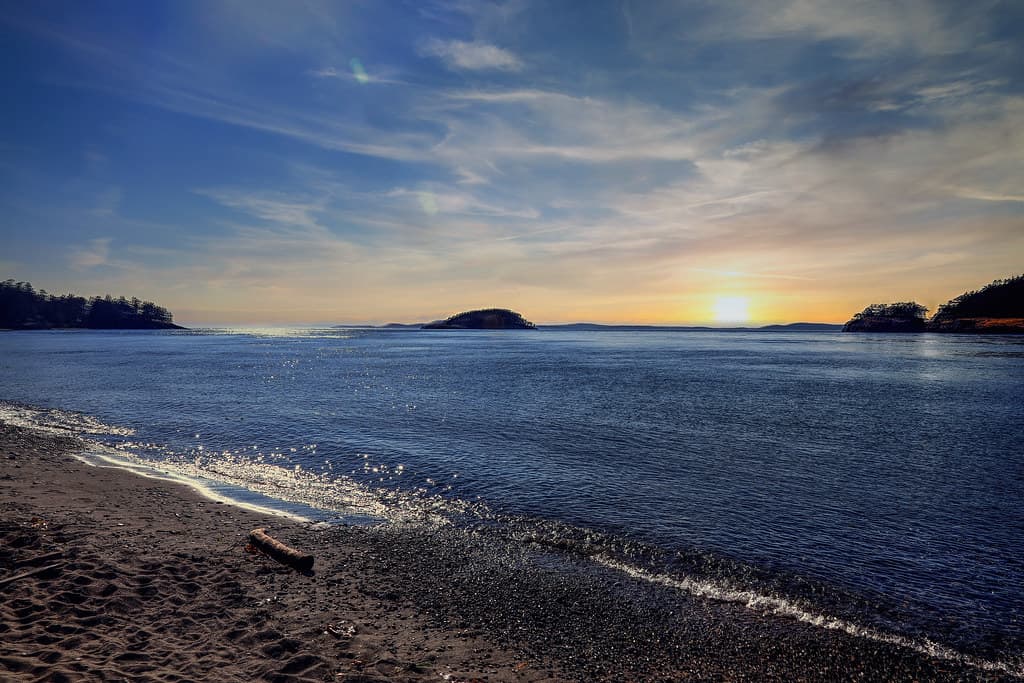
At Joseph Whidbey State Park Beach, the shoreline shape-shifts twice daily. Low tide transforms this protected bay into a laboratory of discovery—moon snails plow furrows in the sand, orange sea cucumbers huddle beneath stones, and hermit crabs scuttle between kelp ribbons. The retreat exposes a thousand yards of glistening sand flats where you can walk toward Penn Cove while gulls wheel overhead and harbor seals surface to observe your progress.
The beach itself stretches beneath grassy bluffs dotted with wind-sculpted Sitka spruce. Picnic tables perch above the high-tide line, offering front-row seats to the Olympic Peninsula's silhouette across the sound. Bring a kite—the steady maritime breeze that funnels through Deception Pass makes this a favorite launch point for families who've packed thermoses of coffee and waterproof binoculars.
 Credit: Unsplash
bird's-eye view photography of body of water smashing the rocks
 Credit: Unsplash
a large body of water with a city in the background
Wooded path above the shore
Starfish cling to exposed rocks
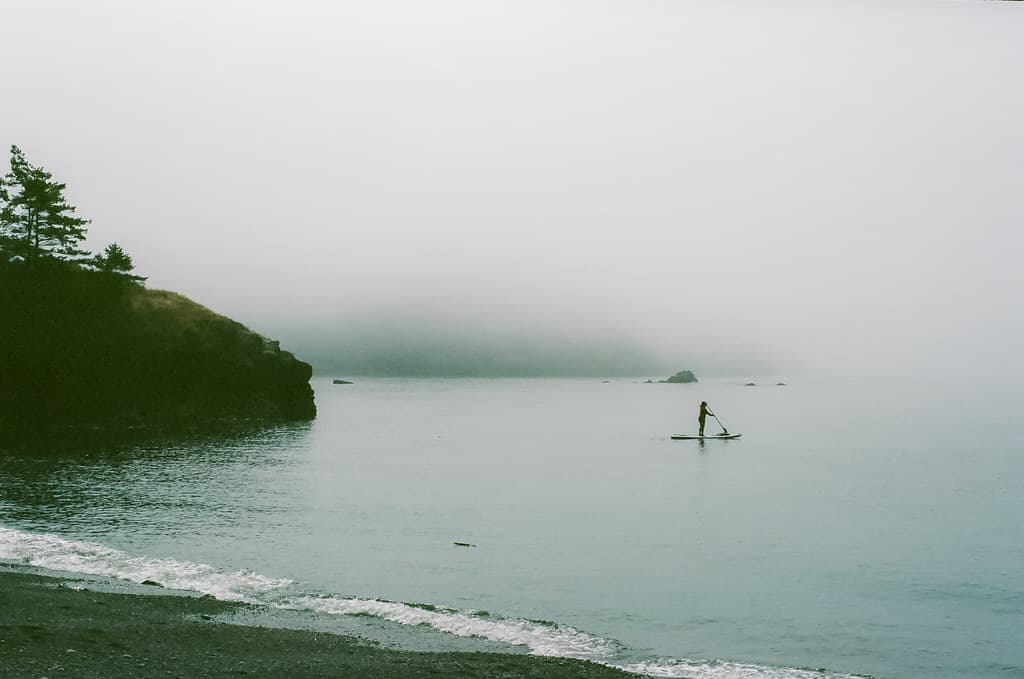
Calm water, seal encounters likely
Where it is
Joseph Whidbey State Park Beach
Oak Harbor, Washington, USA
48.330800°, -122.677900°
Weather
Loading…
Swell
—
Temp
Warm · Restorative
UV Index
Moderate
Wind
—
Tidal State
Last known
Max Sunlight
—
Ideal Shade
—
May - Sep (Peak)
Jan - Dec (Off-season)
Historical data suggests peak visibility and stable sea temperatures occur during the prime visitation window.
Select a category to load nearby places.
Unlock restaurants, luxury stays and curated maritime experiences within 2km
Swimming is possible at Joseph Whidbey State Park Beach, but the water is typically quite cold year-round (50-55°F in summer). The beach has calm waters since it faces Strait of Juan de Fuca, making it safer for wading than ocean beaches. There are no lifeguards on duty. Strong currents can occur during tide changes, so check tide tables before entering the water. Most visitors prefer beachcombing, picnicking, and watching wildlife rather than swimming. Always supervise children closely near the water.
Joseph Whidbey State Park Beach is accessible year-round, with each season offering different experiences. Summer (June-September) provides the warmest, driest weather with temperatures in the 60s-70s°F, ideal for families. Spring and fall offer excellent beachcombing and wildlife viewing with fewer crowds. Winter can be dramatic with storm watching opportunities, though expect rain and wind. The park is open daily from dawn to dusk. July and August are busiest, so arrive early for parking during summer weekends and holidays.
From Oak Harbor, drive west on Highway 20 for approximately 9 miles. Turn right onto Crosby Road, then left onto West Beach Road, following signs to the park entrance. The park has a paved parking lot that accommodates around 20-30 vehicles. A Washington State Discover Pass ($10 day-use or $30 annual) is required for parking. The lot can fill quickly on sunny summer weekends. From the parking area, it's a short walk to the beach through a scenic forested trail.
Joseph Whidbey State Park has basic amenities including vault toilets and picnic tables, but no food vendors or stores. Bring your own food, water, and supplies. The nearest restaurants and grocery stores are in Oak Harbor, about 9 miles east. The park has no overnight camping facilities. For lodging, Oak Harbor offers hotels, motels, and vacation rentals within 15-20 minutes' drive. Nearby Deception Pass State Park, 10 miles north, has more extensive camping facilities if you're seeking overnight accommodations.
Joseph Whidbey State Park Beach features excellent tide pooling opportunities during low tides, particularly minus tides. The rocky shoreline and shallow pools host sea stars, anemones, crabs, and small fish. The beach's western exposure along the Strait of Juan de Fuca creates diverse marine habitats. Check local tide tables and plan visits during low tide windows for best tide pool exploration. The combination of accessible tide pools and relatively calm waters makes this particularly good for introducing children to marine ecosystems. Remember to observe without disturbing wildlife.
Photos