Counting the waves…
Counting the waves…
A refined fusion of water purity, environmental stability, and communal vibrancy for Leadbetter Point Beach.
View MethodologyAnalyzed via live sensors and environmental data.
Wave height, wind, and atmospheric stability.
Live footfall and crowd balance metrics.
Community reviews and curated sentiment.
“You'll hear the sandpipers before you see them—a chorus of peeps rising from the wrack line where the Pacific meets Willapa Bay. The wind carries salt and the faint decay of bull kelp, and your boots sink into sand…”
Limited recent visitor reports — live OBI telemetry is your best guide for current conditions.
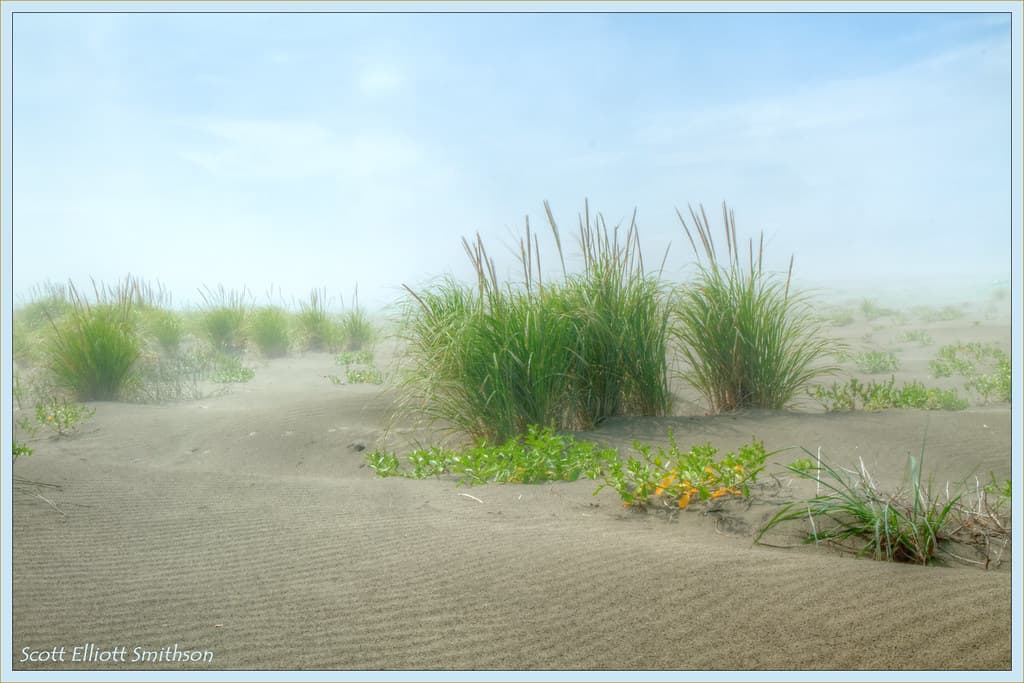
Leadbetter Point occupies the northernmost tip of the Long Beach Peninsula, a windswept finger of land where two ecosystems collide. On the ocean side, gray surf pounds a broad beach littered with driftwood logs the size of telephone poles. Walk east through shore pine and salal, and you emerge onto the calm mud flats of Willapa Bay, where herons stalk the shallows and harbor seals haul out on sandbars at low tide.
The state park here exists as much for the birds as for you. During spring and fall migrations, the flats teem with dunlins, black-bellied plovers, and marbled godwits probing the sand for ghost shrimp and marine worms. Bald eagles perch in the snags. The dunes shelter one of the last nesting populations of the threatened snowy plover on the Washington coast—sections close seasonally to protect their scrapes in the sand.
Credit: FlickrDual-Ecosystem Loop
Credit: FlickrShorebird Migration
Ocean to bay through dunes
April-May, August-October peak flights
Weathered logs stacked like cairns
Where it is
Leadbetter Point Beach
Ocean Park, Washington, USA
46.631400°, -124.061500°
Weather
Loading…
Swell
—
Temp
Warm · Restorative
UV Index
Moderate
Wind
—
Tidal State
Last known
Max Sunlight
—
Ideal Shade
—
May - Sep (Peak)
Jan - Dec (Off-season)
Historical data suggests peak visibility and stable sea temperatures occur during the prime visitation window.
Select a category to load nearby places.
Unlock restaurants, luxury stays and curated maritime experiences within 2km
Swimming at Leadbetter Point Beach is generally not recommended due to strong currents, cold water temperatures, and unpredictable ocean conditions typical of the Pacific Northwest coast. The beach is part of Willapa Bay's wildlife refuge and is better suited for wildlife watching, beachcombing, and walking rather than swimming. There are no lifeguards on duty. If you do wade in the water, stay close to shore and be extremely cautious of sneaker waves and riptides, which are common hazards along Washington's coastal beaches.
Leadbetter Point Beach offers year-round appeal, but April through October provides the most comfortable weather with milder temperatures and less rainfall. Spring and fall are ideal for birdwatching, as the area serves as a critical migratory stopover for shorebirds. Summer offers the warmest, driest conditions for beachcombing and hiking. Winter can be dramatic with storm watching opportunities, though expect rain, wind, and muddy trails. Early morning visits any season offer the best wildlife viewing opportunities and quieter beach experiences before day visitors arrive.
Leadbetter Point Beach is located at the northern tip of Long Beach Peninsula. From Ocean Park, drive north on Sandridge Road/Stackpole Road for approximately 13 miles until the road ends at the Leadbetter Point State Park parking area. The road is paved until the final stretch, which becomes gravel. Parking is free and available in a designated lot near the trailhead. From the parking area, it's roughly a 1-2 mile hike through coastal forest and dunes to reach the beach, depending on which trail you take.
Leadbetter Point Beach has no amenities, restaurants, or lodging directly at the site—it's a remote wildlife area with only vault toilets in the parking lot. The nearest services are in Ocean Park, approximately 13 miles south, where you'll find restaurants, grocery stores, and lodging options including hotels, vacation rentals, and campgrounds. Long Beach, about 20 miles south, offers more extensive dining and accommodation choices. Bring all food, water, and supplies with you, as there are no facilities once you begin hiking toward the beach.
Leadbetter Point is renowned for exceptional birdwatching, with over 200 species recorded. During spring and fall migrations, you can spot shorebirds including sandpipers, plovers, and dunlins, plus raptors like peregrine falcons. The area also supports nesting snowy plovers (a threatened species). Look for harbor seals offshore, black-tailed deer in the dunes, and various waterfowl in the wetlands. The diverse habitats—beach, dunes, forest, and marsh—create rich wildlife viewing opportunities. Bring binoculars and respect posted wildlife protection areas, especially during nesting season.
Photos