Counting the waves…
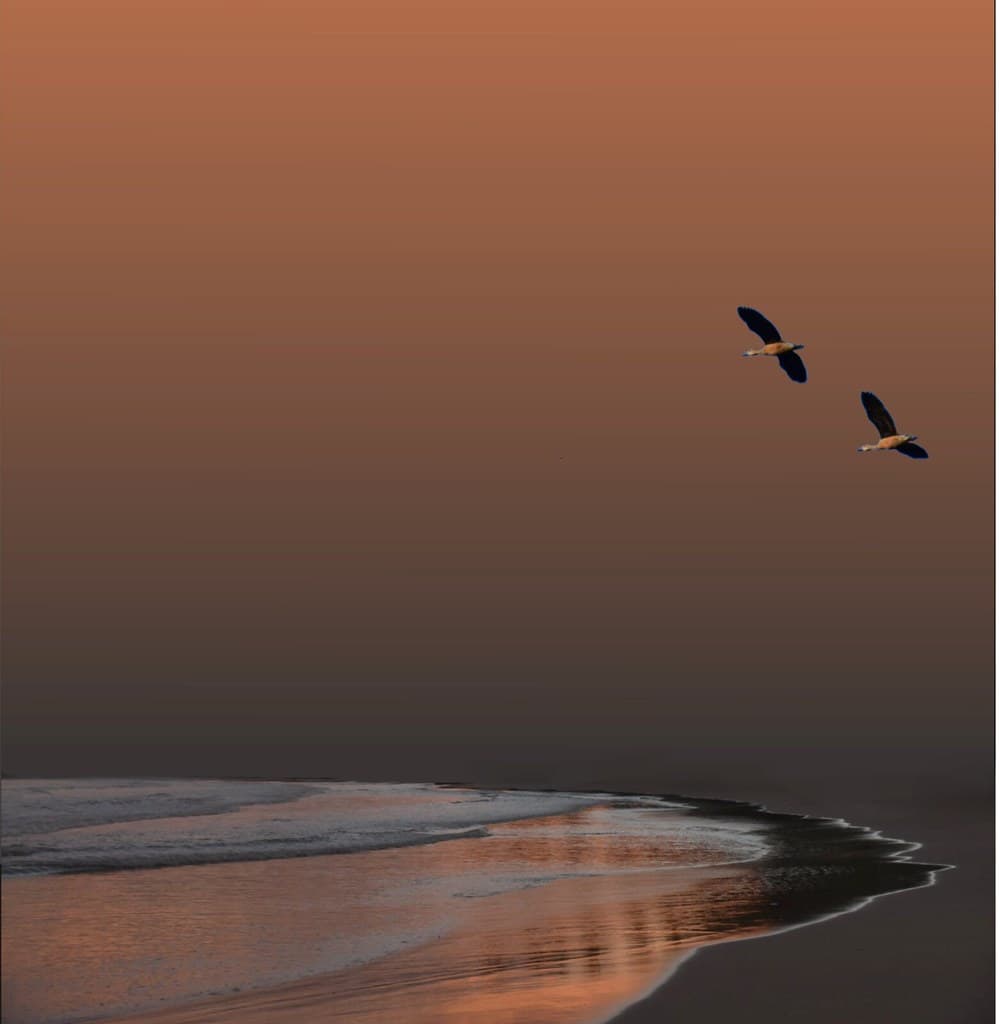
Counting the waves…

Ocean Shores unfurls along the southern edge of Grays Harbor, where the Olympic Peninsula flattens into a long sandbar between the Pacific and a labyrinth of freshwater canals. You steer your vehicle straight onto the beach at designated access points, cruise the hard-packed strand at low tide, and park wherever the mood strikes—an oddly liberating ritual that transforms your dashboard into a front-row seat for crashing waves and migrating gray whales. Families pitch canopies beside driftwood forts, dogs bolt toward the surf, and beachcombers comb the wrack line for Japanese glass floats still planted by the local chamber each winter. The town itself is a low-key grid of motels, saltwater taffy shops, and chowder houses where locals gather after clamming tides. Razor clam season draws crowds with headlamps and narrow shovels, digging in synchrony as waves retreat under March moons. In summer, kite festivals fill the sky with neon geometric shapes; in November, storm-watchers bundle into fleece and lean into forty-knot gusts, exhilarated by the unfiltered weather. What Ocean Shores lacks in dramatic sea stacks or secluded coves, it compensates with sheer accessibility and an unpretentious, come-as-you-are atmosphere. You will leave with sand in your wheel wells, the briny sting of ocean air in your lungs, and the quiet satisfaction of a beach that asks nothing more than that you show up and enjoy it.
Places, rentals, tours and events within walking and driving distance of Ocean Shores Beach.
Photos
Ocean Shores Beach is generally not recommended for swimming due to strong currents, unpredictable waves, and cold water temperatures year-round (typically 48-55°F). The beach lacks lifeguards, and riptides are common. Most visitors enjoy wading, beachcombing, kite flying, and horseback riding instead. If you do enter the water, stay close to shore and never turn your back on the waves. Always supervise children closely. The beach is excellent for surfing if you're experienced and have proper cold-water gear.
Ocean Shores is a year-round destination with distinct seasonal experiences. Summer (July-September) offers the warmest, driest weather with temperatures around 60-70°F, ideal for families. Spring brings razor clam digging season and migrating whales. Fall is perfect for storm watching and fewer crowds. Winter offers dramatic storm viewing and cozy indoor activities. The beach itself is accessible all year, though rain is common October through May. Many visitors prefer shoulder seasons for lower accommodation rates and peaceful beach walks.
Ocean Shores is located about 135 miles southwest of Seattle (2.5-3 hours) and 45 miles west of Olympia. From Highway 101, follow signs into town. The beach has over 20 free access points with parking areas along the 6-mile stretch. Popular spots include Chance A La Mer at the north end and Damon Point at the south. Most streets running west lead to beach access. You can drive directly onto the sand in designated areas, but check tide tables and firmness first to avoid getting stuck.
Ocean Shores offers numerous lodging options from beachfront resorts to budget motels and vacation rentals. Popular choices include the Ocean Shores Resort, Quinault Beach Resort and Casino, and various condo complexes. For dining, local favorites include Emily's, Galway Bay Irish Restaurant, and Mike's Seafood for fresh catches. The town has grocery stores (Ace's IGA, Ace's Oyhut), casual cafes, and pizza places. Most amenities cluster along Point Brown Avenue. During peak season, book accommodations well in advance, especially for summer weekends and razor clam season.
Yes, Ocean Shores is one of Washington's premier razor clam digging destinations, particularly at Damon Point and North Jetty areas. Digging typically occurs during evening low tides from October through May, when the Washington Department of Fish and Wildlife opens specific dig dates. You'll need a shellfish license (available online or at local retailers), a clam shovel or tube, and a headlamp for night digs. Always check current dig dates, limits (typically 15 clams), and any biotoxin closures before heading out.