Counting the waves…
Counting the waves…

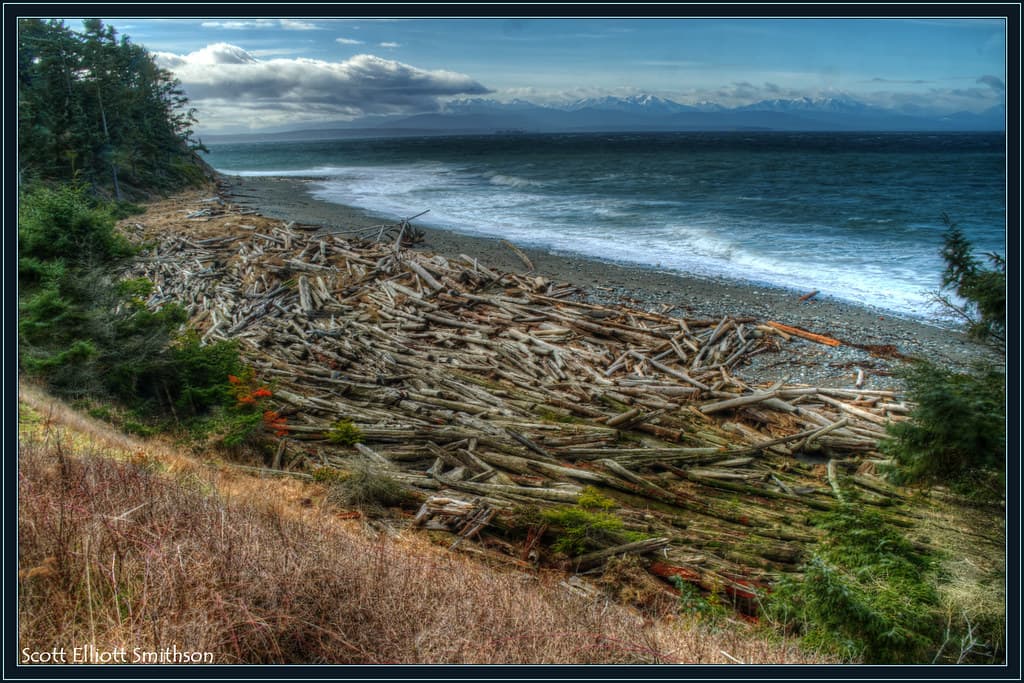
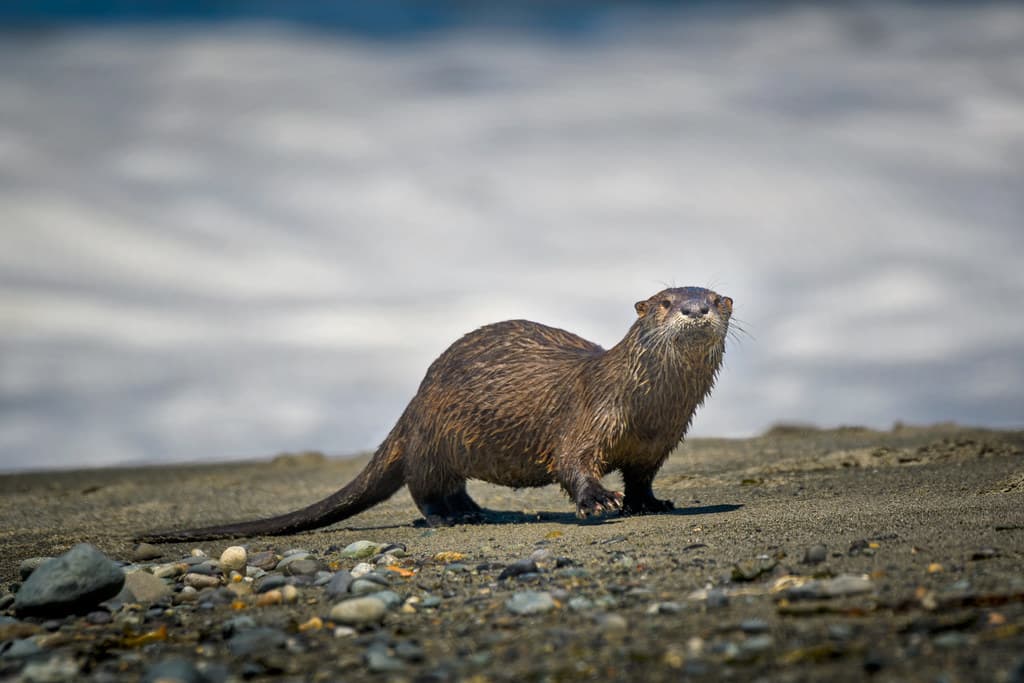
The walk out to Dungeness Spit begins unremarkably—a trailhead, a bluff descent—but quickly reveals its character. Driftwood the size of telephone poles lies scattered across the sand in bleached tangles, testaments to winter storms. On your left, the Strait of Juan de Fuca churns gray-green under Olympic rain; on your right, Dungeness Bay sits calm as bathwater, its shallows rippling with eelgrass. The spit narrows as you progress, squeezing down to fifty feet wide in places, a tenuous thread of sand between two bodies of water. Gulls and cormorants argue over fish. Harbor seals surface with black, curious eyes. The five-mile trek to the New Dungeness Lighthouse demands stamina—no shade, no facilities, just you and the elements—but the rhythm of walking this unlikely landform becomes its own meditation. At the tip, the 1857 lighthouse stands white against the sky. Volunteer keepers live here in week-long shifts, tending a beacon that still guides ships through these notoriously difficult waters. You'll have earned the view: Protection Island to the east, Vancouver Island's peaks across the Strait, and the overwhelming sense of standing at the edge of something both fragile and enduring.
Places, rentals, tours and events within walking and driving distance of Dungeness Spit Beach.
Photos
Swimming at Dungeness Spit is generally not recommended due to strong currents, cold water temperatures year-round, and unpredictable conditions in the Strait of Juan de Fuca. The beach is better suited for beachcombing, wildlife viewing, and hiking. If you do wade in, stay close to shore and be aware that the water rarely exceeds 50°F even in summer. There are no lifeguards on duty. The primary hazards include hypothermia risk and powerful currents that can quickly pull swimmers offshore.
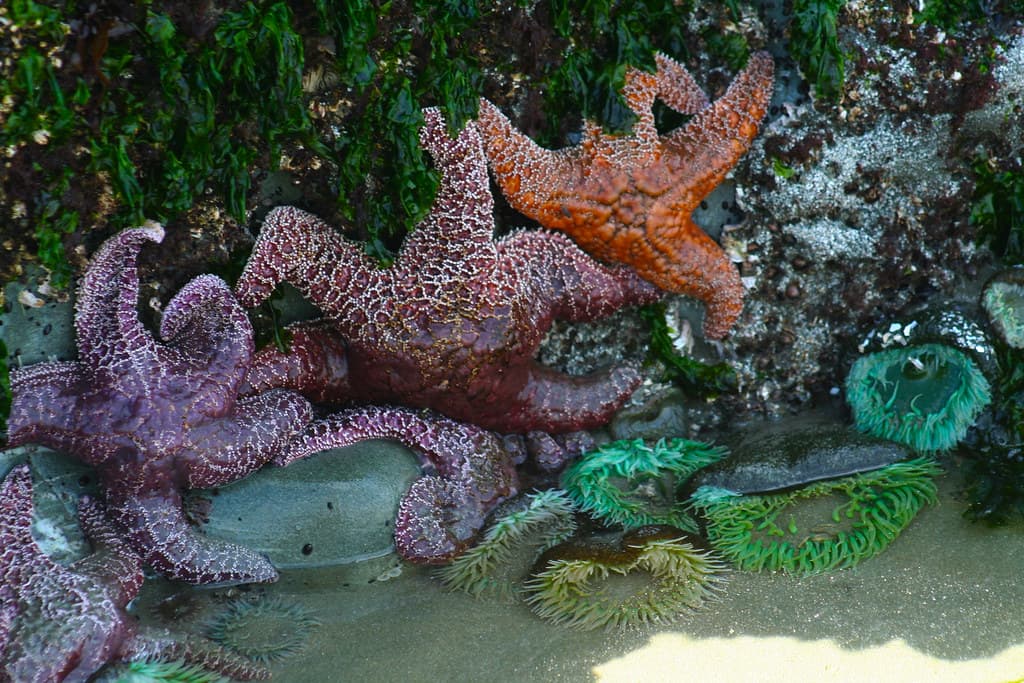
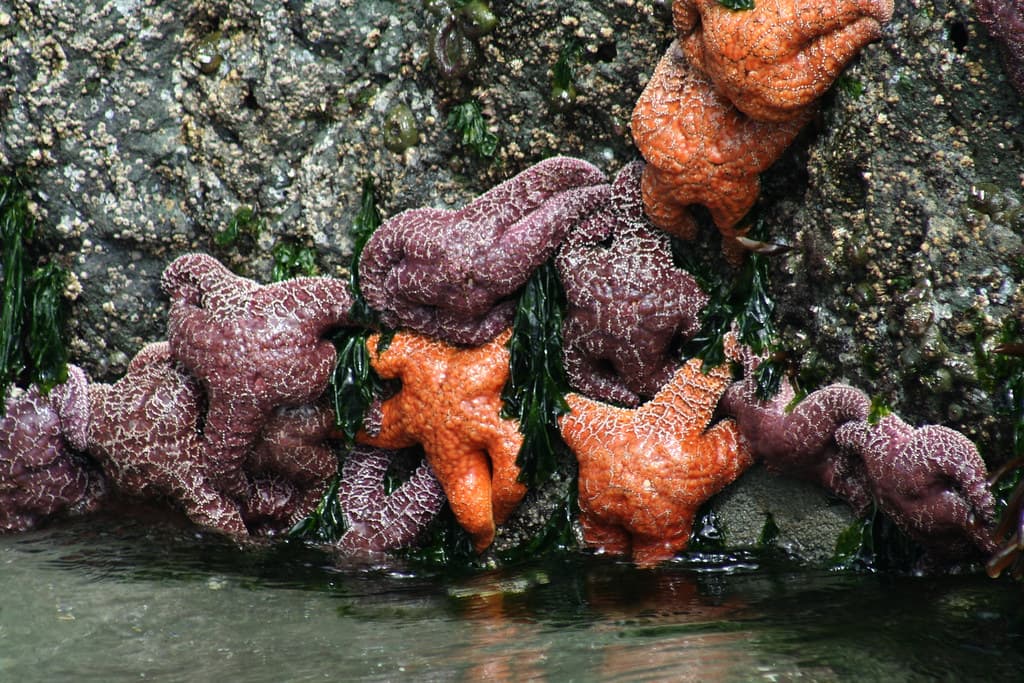
Dungeness Spit is accessible year-round, with each season offering different experiences. Summer (June-September) provides the most favorable weather with less rain and temperatures in the 60s-70s°F, ideal for the 5.5-mile hike to the lighthouse. Spring and fall offer excellent birdwatching opportunities during migration seasons. Winter can be dramatic with storm-watching possibilities, though expect rain, wind, and muddy trails. Low tide is best for exploring tide pools and beachcombing regardless of season. Check tide tables before visiting.
From Port Angeles, drive about 15 miles east on Highway 101, then turn north on Kitchen-Dick Road toward Dungeness Recreation Area. The parking lot is located at the trailhead within Dungeness National Wildlife Refuge. A day-use fee is required (currently $3 per family). Parking is limited to around 40 spaces and can fill quickly on summer weekends and holidays. Arrive early for best availability. The beach access requires a half-mile walk through forest before reaching the spit.
Dungeness Spit itself has no amenities—no restrooms, food, or water beyond the parking area. The small community of Dungeness, about 2 miles away, has limited services. Most visitors base themselves in Sequim (7 miles east) or Port Angeles (15 miles west), which offer full restaurant, grocery, and lodging options including hotels, motels, and vacation rentals. Pack plenty of water, snacks, and sunscreen for your visit, as the round-trip hike to the lighthouse is 11 miles with no facilities along the way.
Yes, you can hike the entire 5.5-mile length of Dungeness Spit to reach the historic New Dungeness Lighthouse, built in 1857. The hike is relatively flat but challenging due to walking on sand and beach cobble. Allow 3-4 hours round trip minimum. The lighthouse is still operational and offers tours when volunteer keepers are present, though tour availability varies. The spit is part of a National Wildlife Refuge, so stay on the beach and respect posted areas closed for wildlife protection, especially during bird nesting season.