Counting the waves…
Counting the waves…

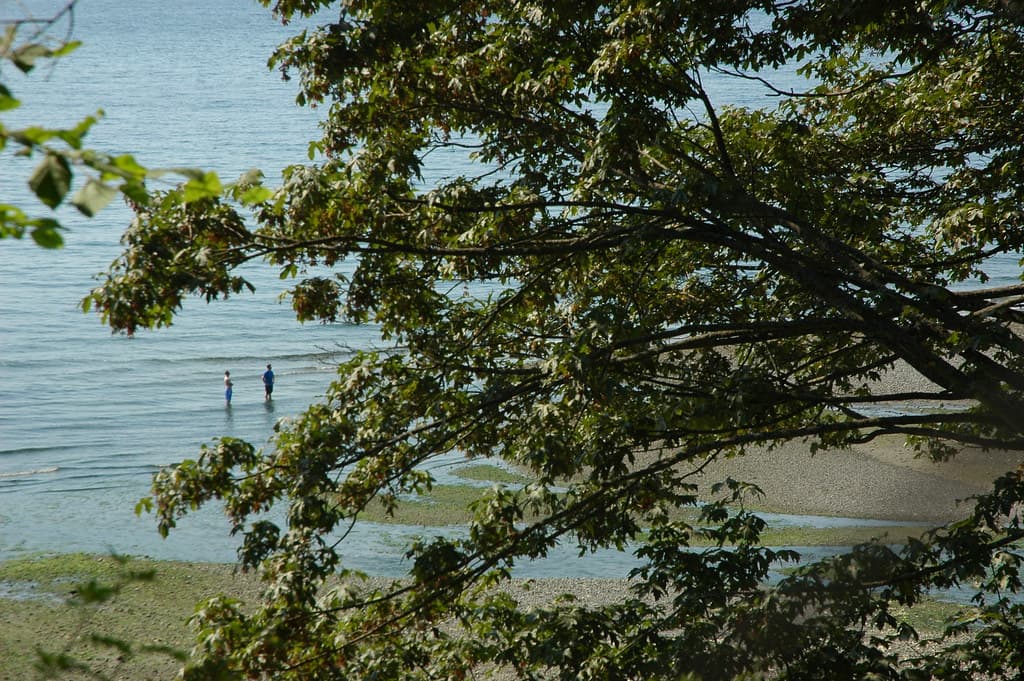
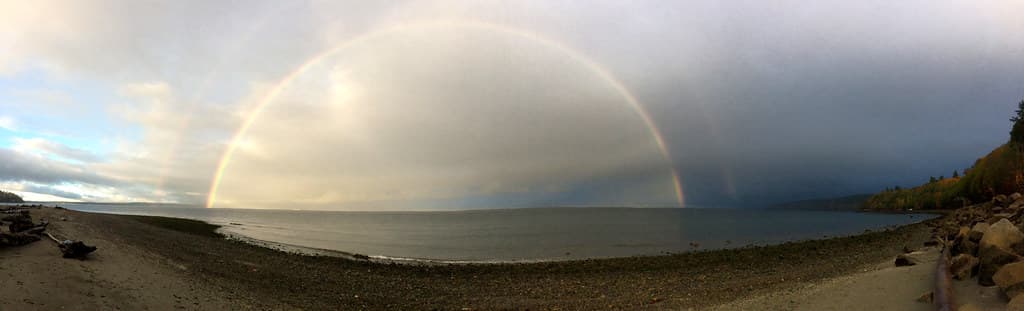
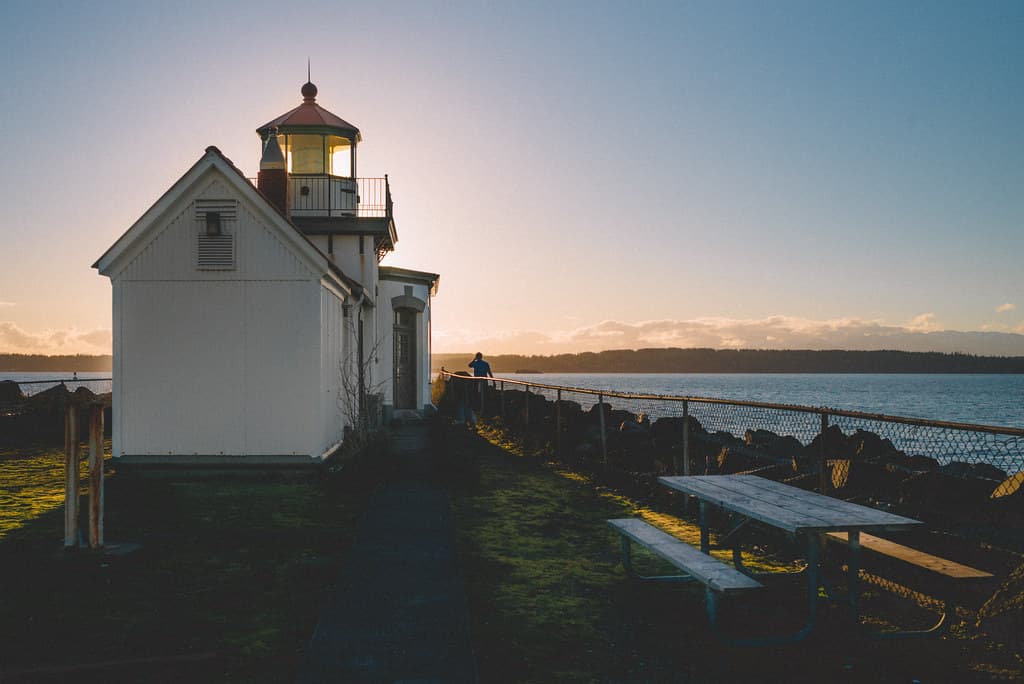
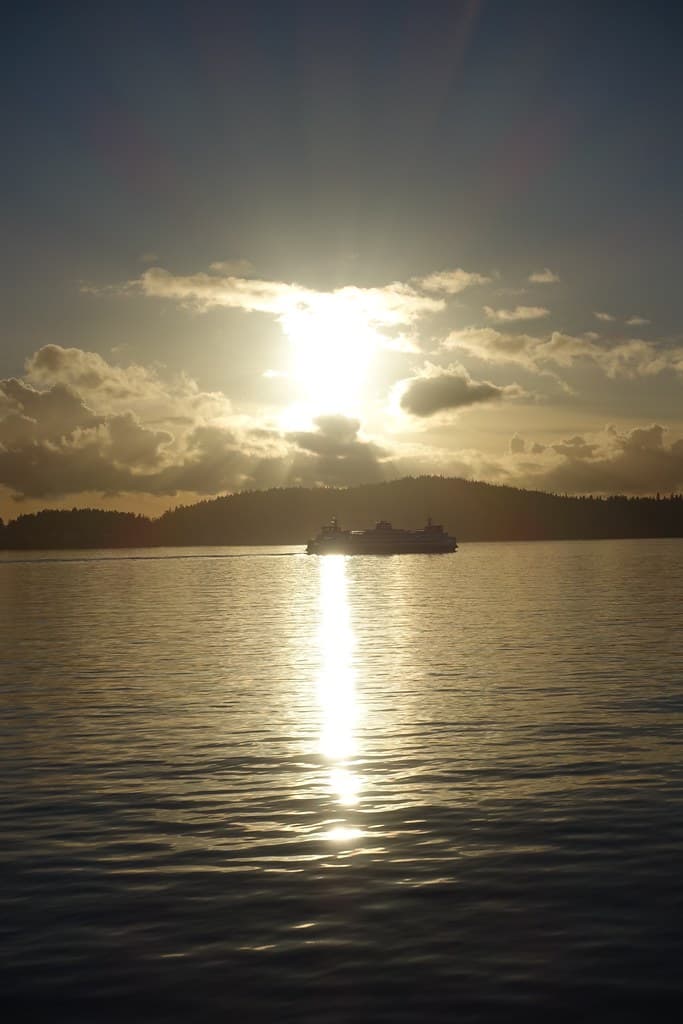
The trail switchbacks through Discovery Park's forest—mossy nurse logs, sword ferns taller than your waist—before spilling you onto South Beach, a half-mile crescent where most Seattle visitors never think to wander. You're still within city limits, yet the only sounds are wave-slap and gull-cry. The Magnolia bluff rises at your back; ahead, the snowfields of the Olympic range glow pink at dusk. Low tide transforms the beach into a laboratory. You'll crouch over tide pools watching ochre sea stars cling to barnacled rocks, hermit crabs dragging borrowed shells across wet sand. Driftwood logs—some bleached silver, others still rough with bark—form natural benches where you can sit with a thermos and watch ferries cut white wakes toward Bainbridge. The water stays cold year-round, numbing your ankles in seconds, but that bracing chill keeps the crowds thin even in August. Come during a winter storm and you'll have the place nearly to yourself. Rain pelts the Sound, wind shoves whitecaps toward shore, and the lighthouse at West Point blinks through the mist. It's the kind of raw Pacific Northwest beauty that requires a good rain jacket and rewards you with the rare gift of urban solitude—a hidden pocket of wilderness where the city's hum fades to nothing.
Places, rentals, tours and events within walking and driving distance of Discovery Park South Beach.
Photos
Swimming at Discovery Park South Beach is generally not recommended. The water is quite cold year-round (typically 45-55°F), and strong currents from Puget Sound can be dangerous. There are no lifeguards on duty. The beach is rocky with driftwood, making entry difficult. Most visitors come for beachcombing, tide pooling, and scenic views rather than swimming. If you do wade in, stay close to shore and be aware of tidal changes. Always supervise children near the water.
Discovery Park South Beach is accessible year-round, with each season offering something different. Summer (June-September) brings the most pleasant weather and warmest temperatures, ideal for beach walks and picnics. However, low tide times are best for exploring tide pools and the expansive beach, regardless of season—check local tide charts before visiting. Weekday mornings offer more solitude. Winter visits can be dramatic with storm-watching opportunities, but trails may be muddy. Sunset views are spectacular any time of year.
Discovery Park has a main parking lot accessible via Government Way off W Emerson Street. From the parking area, South Beach requires a steep 0.7-mile hike down the Loop Trail, losing about 300 feet in elevation. The trail can be muddy and slippery when wet. Parking is free and available during park hours (4am-11:30pm). Public transportation options include King County Metro buses to the park entrance, but you'll still need to hike down. Remember: the return hike is uphill and challenging.
Discovery Park South Beach has no amenities—no restrooms, food vendors, or water fountains at the beach itself. Basic restrooms are available at the main parking area before the hike. Bring your own water, snacks, and supplies. The nearby Magnolia neighborhood (about 2 miles) has cafes, restaurants, and grocery stores. For lodging, you'll need to stay in central Seattle or nearby neighborhoods like Ballard or Queen Anne, typically 15-25 minutes away by car. Plan accordingly before hiking down.
Despite being Seattle's largest park at 534 acres, South Beach feels remarkably secluded because it requires a challenging hike through forest trails to access. Unlike more crowded city beaches, its relative remoteness means fewer visitors make the trek. The beach offers stunning views of the Olympic Mountains and Puget Sound with a wild, natural feel rare for an urban park. Historic West Point Lighthouse stands nearby, adding character. The effort to reach it rewards visitors with peaceful solitude and dramatic Pacific Northwest scenery.