Counting the waves…
Counting the waves…

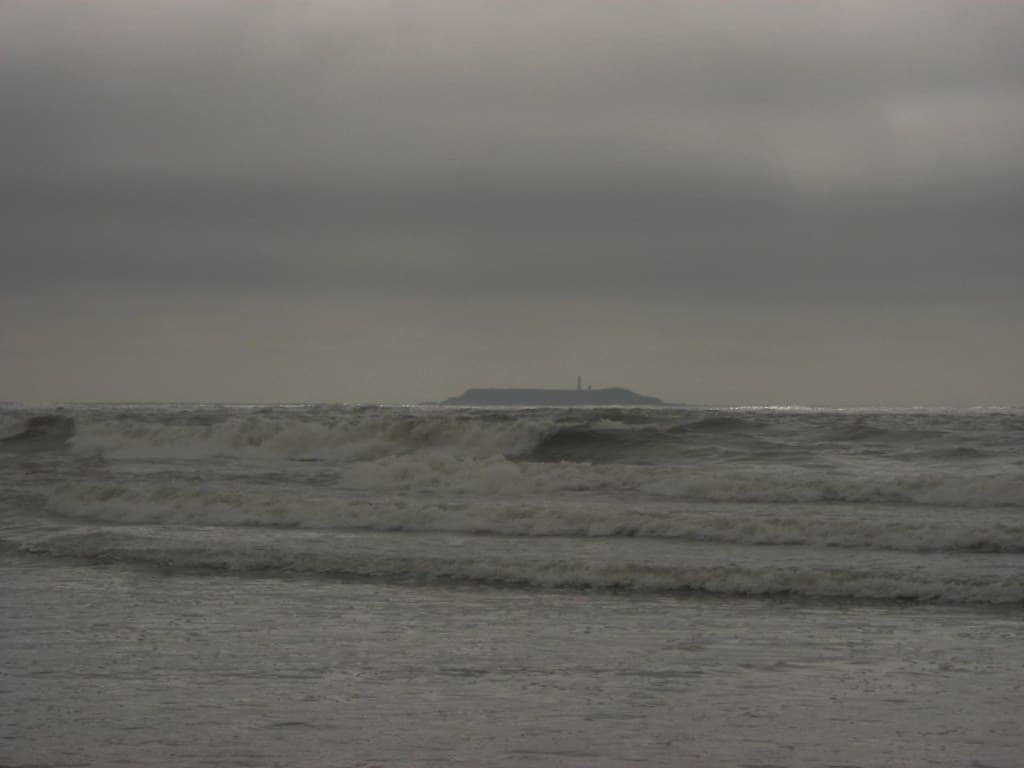
The 107-foot lighthouse has presided over this stretch of South Olympic Coast since 1898, its beacon sweeping across a beach where the Columbia River's influence meets open ocean swells. You'll walk down a slight incline from the parking area to find dark sand strewn with driftwood logs bleached silver by decades of tide and sun. The shoreline curves northward, backed by low dunes and tufted beach grass that shudders in the persistent wind. This is Washington's most accessible year-round surf beach, where winter storms bring overhead sets and summer afternoons deliver cleaner shoulders. The jetty stretching from the north end creates a defined break, but novices should note the rip currents and frigid water—even July demands a wetsuit. Between sessions, you'll spot commercial fishing boats motoring in and out of Grays Harbor, their diesel exhaust mingling with the kelp-and-barnacle scent of low tide. Beyond the breakers, harbor seals bob in the swells, and during March and April, northbound gray whales surface close enough to shore that you can watch their exhalations without binoculars. The beach empties by late afternoon except for die-hard anglers jigging for surfperch and rockfish, their headlamps flickering as dusk settles over the jetty rocks.
Places, rentals, tours and events within walking and driving distance of Westport Light State Park Beach.
Photos
Swimming at Westport Light State Park Beach is generally not recommended due to strong currents, cold water temperatures, and unpredictable surf conditions. The beach is primarily known for surfing rather than swimming, and the Pacific Ocean waters here can be dangerous for inexperienced swimmers. Rip currents are common, and the water remains cold year-round. If you do enter the water, stay close to shore, never swim alone, and be aware of changing tides and weather conditions. Always supervise children closely near the water's edge.
Westport Light State Park Beach is accessible year-round, with each season offering different experiences. Summer (July-September) brings the warmest weather and calmer seas, ideal for beachcombing and photography. Spring and fall offer excellent storm watching and fewer crowds. Winter attracts surfers seeking larger swells, though conditions can be rough. For surfing, fall through spring typically provides the best waves. Expect cool, overcast weather much of the year, with temperatures ranging from 45-65°F. Bring layers and rain gear regardless of season, as coastal weather changes quickly.
Westport Light State Park Beach is located at the southern end of Westport, accessible via Ocean Avenue. From Seattle, it's approximately a 2.5-hour drive southwest via Highway 8 and Highway 105. The park offers a dedicated parking area near the iconic Westport Lighthouse (Grays Harbor Light). Parking is free and generally available year-round, though summer weekends can be busier. The beach access is easy from the parking lot. No Discover Pass is required for this state park beach, making it convenient for day visitors.
Westport offers numerous dining and accommodation options within a short drive of the beach. The town is known for fresh seafood restaurants, fish and chips shops, and casual waterfront eateries along the marina. You'll find everything from budget motels to vacation rentals and RV parks within 1-2 miles of the beach. Several hotels offer ocean views. Basic amenities like restrooms are available at the state park. For groceries and supplies, small markets are available in town. Many visitors combine beach time with exploring Westport's working fishing harbor and marina restaurants.
Yes, Westport Light State Park Beach is one of Washington's premier surf destinations, attracting surfers year-round. The beach offers consistent waves suitable for various skill levels, though conditions can be challenging for beginners due to cold water and strong currents. A wetsuit is essential year-round due to frigid Pacific waters. Local surf shops in Westport offer board rentals, wetsuit rentals, and surf lessons during peak seasons. The jetty areas can produce quality waves, but be cautious of rocks and currents. Check local surf reports before heading out, as conditions vary significantly.