
Counting the waves…
Counting the waves…
The sand here tells two stories: river-smooth rounded grains mixed with angular coastal fragments, sorted and re-sorted by competing flows. The river mouth migrates seasonally, carving new channels after rains, its position marked by standing waves where fresh water meets salt. You can taste the difference if you wade carefully—the river side noticeably less saline, carrying the flavor of upstream soil and vegetation. Birds work this interface relentlessly. Frigatebirds soar high, scanning for fish disoriented by the salinity change, while smaller terns dive where the current line concentrates baitfish. The water itself shows three distinct colors: river brown, ocean blue-green, and a murky transitional zone where sediment swirls in complex patterns. Local knowledge is essential—currents here shift unpredictably, and the bottom drops away suddenly beyond the sandbar. Afternoon light catches the suspended sediment, turning the river plume amber and gold against darker sea. Fishermen anchor small boats in precise positions, reading the currents you're only beginning to perceive. As evening arrives, the temperature differential between river and ocean becomes palpable—cool fresh water flowing past warmer salt. This beach exists in a state of constant negotiation, landscape as active verb rather than static noun, and you're privileged to witness the argument unfold.
Places, rentals, tours and events within walking and driving distance of Playa Boca de Clarines.
Photos
As a river-mouth shoreline, swimming conditions require careful assessment. River mouths create mixing currents where freshwater meets the sea, which can produce unpredictable water movement. Current strength varies with river flow, tides, and recent rainfall. Water clarity may be reduced compared to open ocean beaches. The hidden, undeveloped nature means no lifeguard services are available. Check conditions locally and observe the water carefully before entering. Avoid swimming during or after heavy rains when river discharge is strongest. Strong swimmers should exercise caution, and families with children should be particularly vigilant.
Visit during the dry season from December through April when river levels are more stable and weather is most predictable. This period offers clearer water conditions and better visibility. Sunset viewing is a highlight, so plan late afternoon visits for optimal light and scenery. Weekdays provide the least crowded experience at this hidden gem. Budget travelers benefit from year-round free access and minimal commercial development. Early dry season months may offer the best balance of calm conditions and scenic beauty. Avoid visiting shortly after heavy rainfall when river discharge affects water quality and safety.
This beach is located along the Píritu and Boca de Uchire transition coast in the Clarines municipality of Anzoátegui state. From Barcelona or Puerto La Cruz, drive toward Clarines, then follow coastal routes toward the Píritu area. The journey typically takes one to two hours. As a river-mouth location likely absent from major beach indexes, specific signage may not exist. Local knowledge is valuable—ask in Clarines or nearby communities for directions to the river mouth beach area. A personal vehicle or hired local driver is recommended for reaching this hidden spot.
This hidden river-mouth beach has no on-site facilities or commercial development. Visitors must be completely self-sufficient, bringing all food, water, and beach supplies from Clarines or larger cities. The town of Clarines offers basic restaurants and shops for provisioning before your visit. Accommodation options are not available at the beach itself; plan to stay in Clarines, Barcelona, or Puerto La Cruz and visit as a day trip. Budget travelers appreciate the lack of commercial infrastructure and associated costs. Pack everything you need including shade, refreshments, and meals for a full beach day.
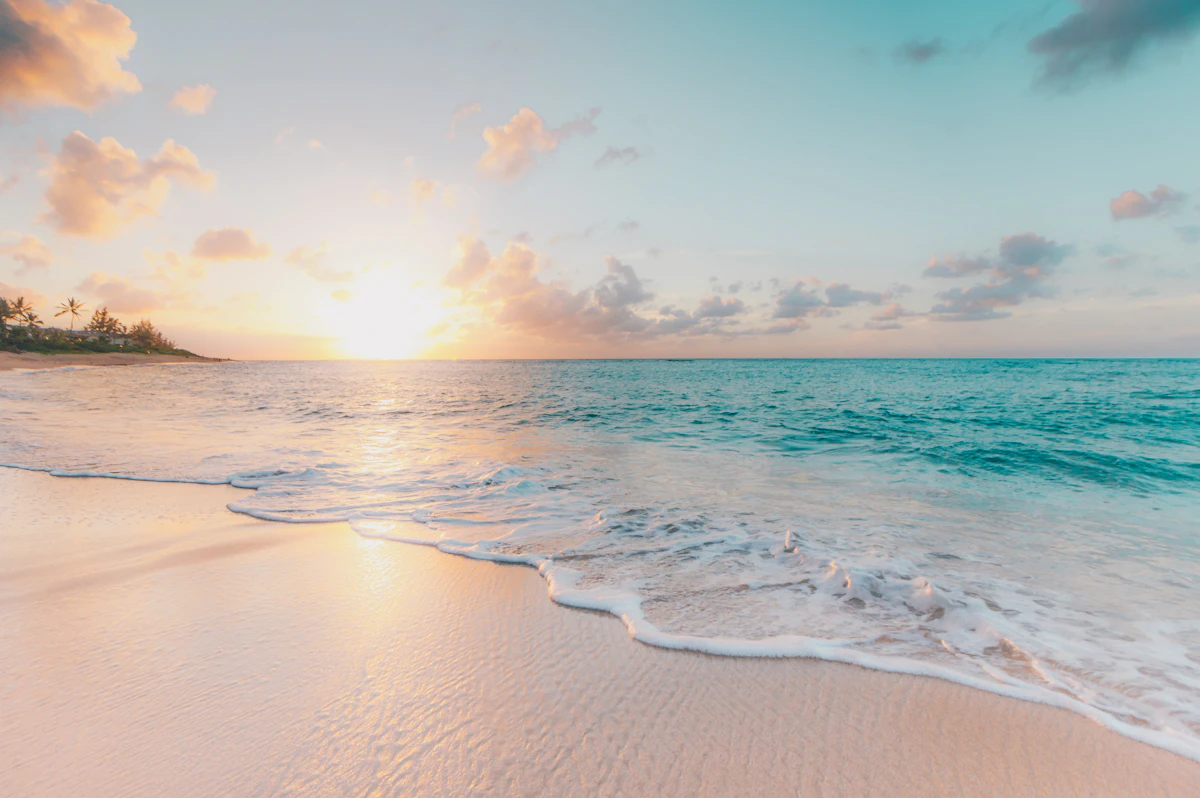
The defining feature is the river-mouth environment where a river meets the Caribbean coast, creating a unique ecological and scenic setting. This mixing zone attracts diverse wildlife and offers distinctive landscapes different from typical beaches. Sunsets are particularly scenic with the river mouth providing interesting compositional elements. Being absent from broad beach indexes makes it a true hidden discovery for adventurous travelers. The combination of scenic beauty, tranquil setting, and off-the-beaten-path location appeals to those seeking authentic Venezuelan coastal experiences beyond commercial tourist beaches. It represents unexplored coastal diversity along the Anzoátegui shoreline.