Counting the waves…
Counting the waves…

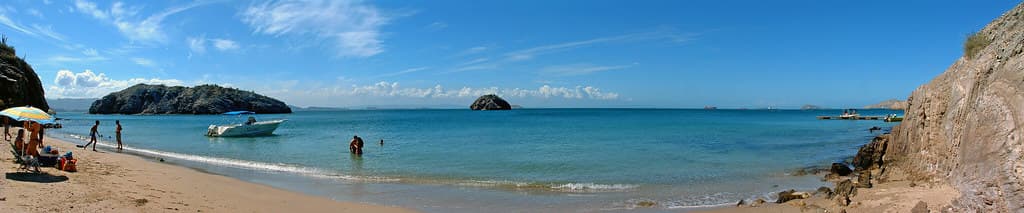
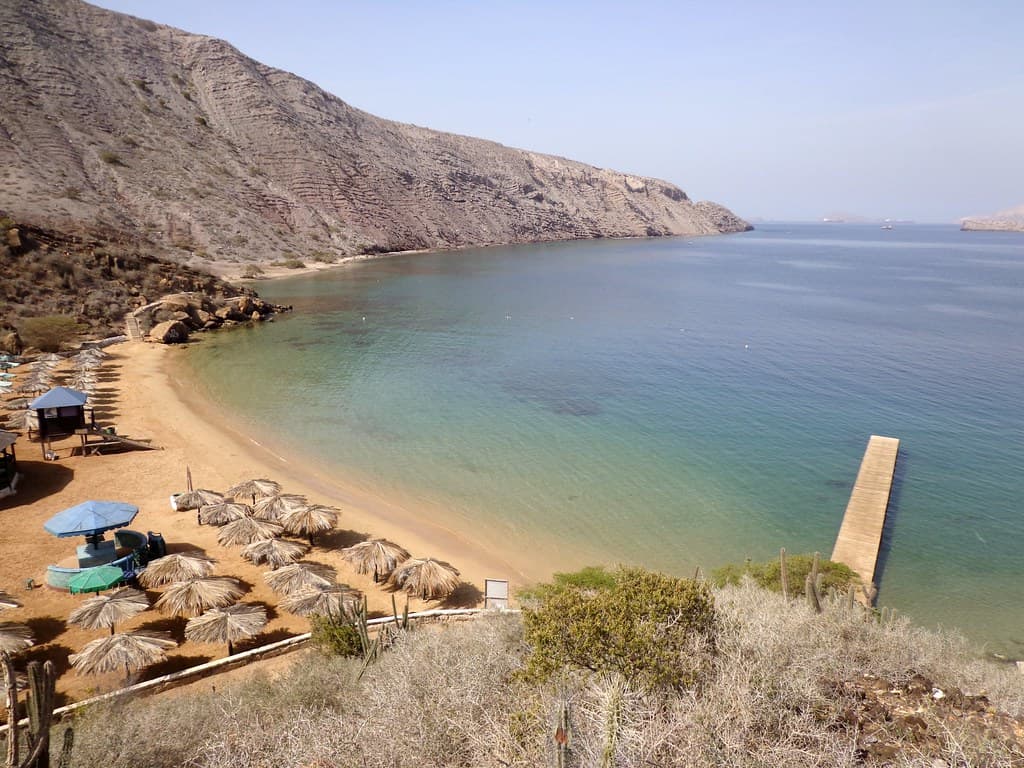
You've left the high-rise hotels behind—Punta Palma occupies the peninsula's less-developed edge where residential streets dead-end at sand. The beach curves along the point in a gentle arc, wide enough for privacy, narrow enough to feel discovered. Seagrape trees lean eastward from decades of prevailing winds, their broad leaves casting shifting shade patterns across the upper beach. Afternoon light turns the Caribbean into hammered bronze. You'll notice how locals time their arrival for post-work hours, families unpacking thermoses and plastic containers of home-cooked hallacas. The water stays shallow fifty feet out—perfect for wading while the sun drops toward the mainland hills. Small waves slap the wooden posts of an abandoned pier, rhythmic and meditative. Sunset is the headliner here. The sky ignites in layers—tangerine nearest the horizon, then rose, then violet bleeding into early stars. Silhouetted palms frame the spectacle like nature's own proscenium. As darkness settles, the lights of Puerto La Cruz begin twinkling across the bay, close enough to feel connected, far enough to preserve the tranquility. You'll hear only wavelets, distant laughter, the occasional motorbike puttering down the access road.
Places, rentals, tours and events within walking and driving distance of Playa Punta Palma.
Photos
Swimming safety at Playa Punta Palma depends on weather and sea conditions, which can vary seasonally. As a point-side beach, currents may be present, particularly around the point itself. The beach serves local communities, so conditions are generally familiar to residents who can advise on safe swimming areas. Lifeguard availability may be limited, so swim cautiously and stay in shallow areas if you're uncertain. Avoid swimming alone and check local advice before entering the water, especially during rougher weather periods.
The optimal visiting period is during Venezuela's dry season from December to April when you'll enjoy sunny skies, calm waters, and minimal rainfall. For fewer crowds, visit on weekdays or during shoulder months at either end of the dry season. The beach's scenic qualities and sunset views are best appreciated in clear weather. Budget travelers will find consistent value year-round, though services may be more limited during the rainy season. Early morning visits offer peaceful atmosphere and good conditions for walking along the shore.
Playa Punta Palma is located in Lechería, part of the Barcelona-Puerto La Cruz-Lechería urban coastal corridor in Anzoátegui state. From Puerto La Cruz or Barcelona, take a taxi or local bus toward Lechería and ask for Punta Palma. The beach is accessible from the coastal road that connects these cities. As a locally-valued but lesser-known spot, having directions in Spanish or asking locals will help. The area is part of the urban coast, so public transportation options connect the major towns along this stretch.
Lechería offers various dining and lodging options within a short distance of Playa Punta Palma, ranging from budget to mid-range establishments. As a residential and tourist area, you'll find hotels, guesthouses, and vacation rentals in Lechería proper. Local restaurants serve Venezuelan cuisine and fresh seafood. The beach itself may have limited facilities, being a quieter, hidden spot, but the surrounding Lechería area provides full services. Nearby Puerto La Cruz offers even more extensive options if needed, just minutes away along the coast.
Playa Punta Palma's defining characteristic is its point-side location, which creates distinctive geography and potentially different wave and current patterns than straight beaches. This positioning often provides interesting viewing angles of the coastline and ocean, particularly at sunset. It maintains a more hidden, local character compared to the busier main beaches of Puerto La Cruz. The point geography may offer some protection or interesting swimming areas depending on wind direction. It's valued by locals who appreciate its scenic qualities without the heavy tourist development of larger nearby beaches.