
Counting the waves…
Counting the waves…
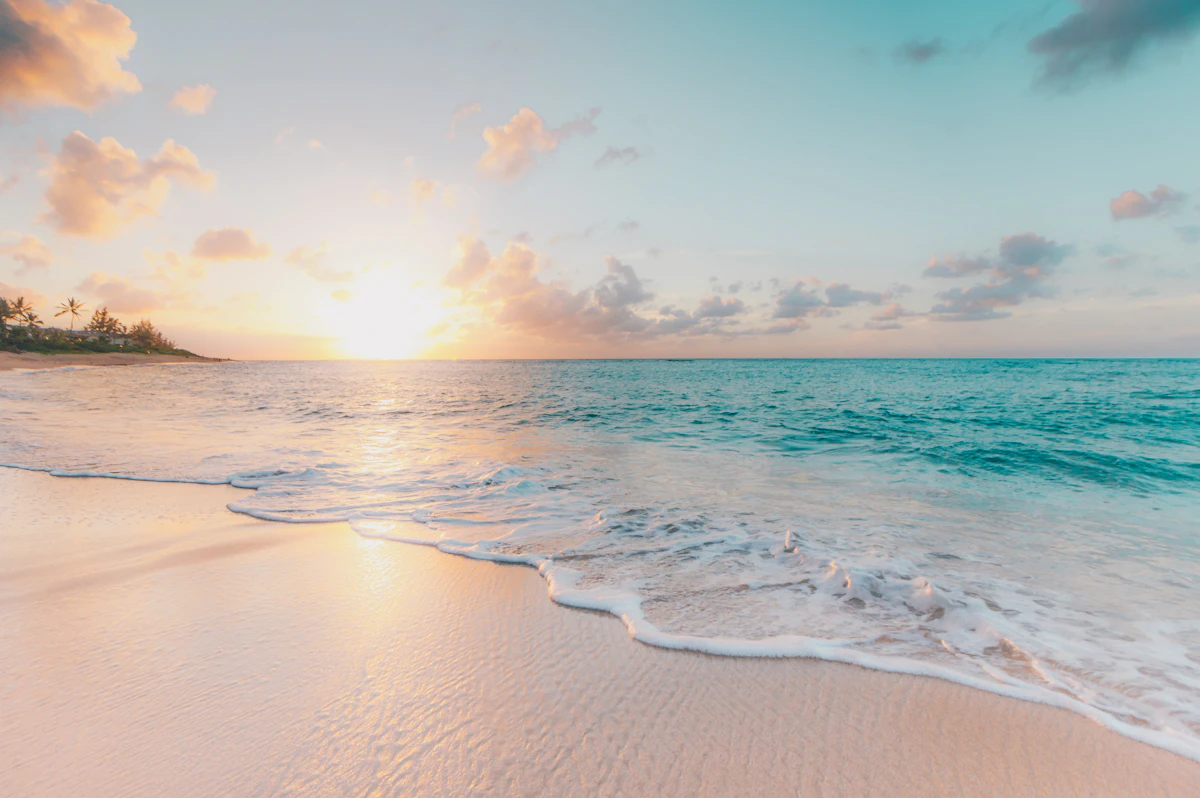
The creek arrives without fanfare, a ribbon of clear water no wider than a yoga mat, braiding across the beach in shallow rills before vanishing into the surf. During the dry months it disappears entirely, leaving only a damp depression; in the wet season it runs ankle-deep, cool from its passage through the coastal forest. You wade across and feel the temperature drop five degrees, taste the mineral tang of mountain runoff, then step back into the Caribbean's bath-warm embrace. Palms lean seaward here, their trunks scrolled with initials and hearts carved by decades of visitors. Osprey nests crown the tallest fronds—shaggy platforms of sticks and seaweed—and you watch the raptors hover above the surf, then plunge talons-first after needlefish. The beach curves in a gentle northern hook, less crowded than Cata proper, though weekends bring families who spread beneath the almond shade and grill chicken on portable grills fashioned from oil drums. Sunbathing here means surrendering to the sand's soft give, its warmth penetrating shoulder blades and calves while the creek's outflow cools your feet. The water offshore runs shallow for thirty meters, rippled turquoise over sand, before dropping off where the rocks begin. Mornings bring the clearest light, the sun still low enough to turn the creek's mouth into a lens, magnifying pebbles and darting minnows. By afternoon the offshore breeze kicks up, rattling the palms, and the creek's flow stutters and surges with the tidal pulse.
Places, rentals, tours and events within walking and driving distance of Playa Boca de Cata.
Photos
Playa Boca de Cata, as a stream-mouth beach, typically offers calmer conditions than open-ocean beaches, making it relatively suitable for swimming. However, the mixing of stream and ocean currents can create variable conditions, especially after rains when stream flow increases. The sandy beach is well-suited for sunbathing and relaxation. Always assess conditions upon arrival and avoid swimming during rough seas. Since this is a smaller, hidden beach sector, lifeguards may not be present, so exercise personal judgment and caution. The family-friendly nature suggested by nearby Bahía de Cata indicates generally manageable conditions.
Playa Boca de Cata is naturally less crowded than the main Bahía de Cata beach, especially during weekdays and outside Venezuelan holiday periods. The dry season (December-April) offers the best weather but attracts more visitors on weekends. For maximum solitude, visit on weekdays during shoulder seasons (May-June, October-November), when you'll encounter fewer tourists despite occasional rain. Early mornings and late afternoons provide the quietest experience and best light for the scenic views. As a hidden stream-mouth sector often overlooked in favor of the larger bay, it rarely becomes overcrowded even during peak season.
Playa Boca de Cata is located near the better-known Bahía de Cata in Aragua state. From Maracay, drive through Henri Pittier National Park toward the coast, then follow signs to Cata. Once at Bahía de Cata, look for the stream mouth area, which may require a short walk along the beach or a brief drive to a different access point. Local residents can provide specific directions to this smaller sector, which is often overlooked by visitors heading to the main bay. The same coastal road that serves Bahía de Cata provides access.
While Playa Boca de Cata itself is a hidden, undeveloped stream-mouth sector with minimal facilities, the nearby Bahía de Cata area offers various accommodation and dining options. Budget-friendly posadas, small hotels, and guesthouses serve visitors to the Cata area. Beachfront restaurants and food vendors near the main bay serve seafood, Venezuelan specialties, and refreshments. For visiting Boca de Cata specifically, it's wise to bring supplies, as this smaller beach sector may lack services. The proximity to developed Cata means amenities are a short distance away while you enjoy the seclusion.
Playa Boca de Cata is a distinct stream-mouth sector that often gets overlooked in favor of the larger, more popular Bahía de Cata. While the main bay attracts most visitors, this smaller beach where a stream enters the ocean offers a more secluded, hidden experience with its own character. The freshwater drainage creates unique sand patterns and ecological conditions different from the open bay. It's ideal for travelers seeking scenic beauty, sunbathing, and quiet atmosphere without the crowds of the main beach. This separation from the busier bay makes it feel like a local secret worth discovering.