Counting the waves…
Counting the waves…
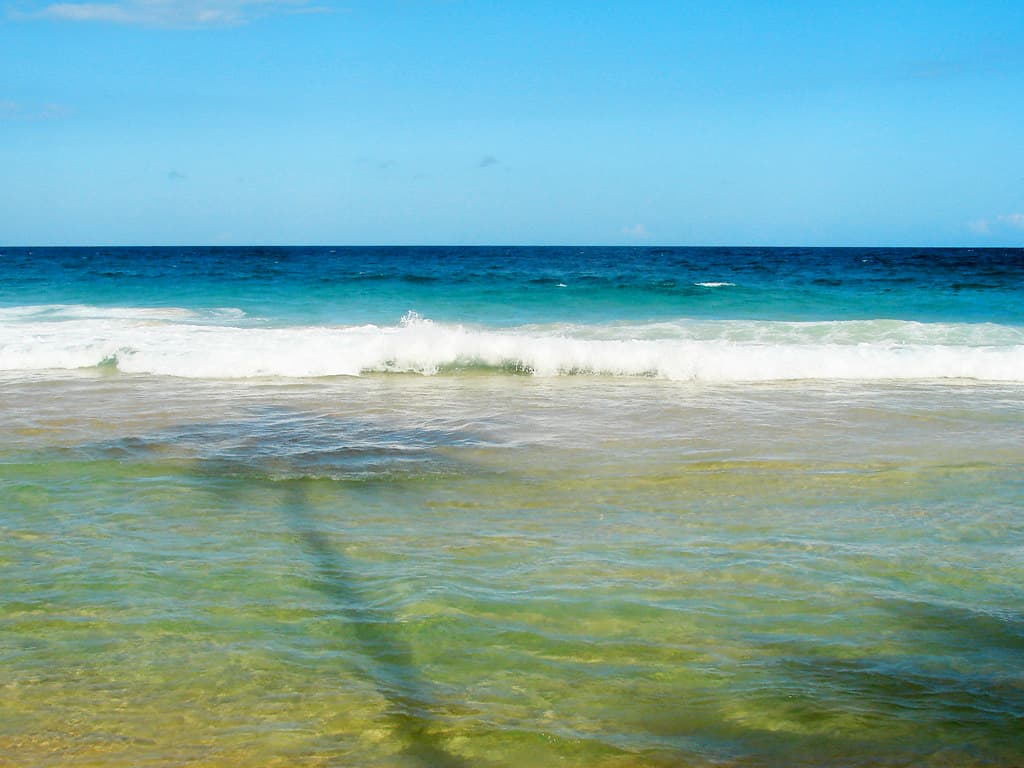
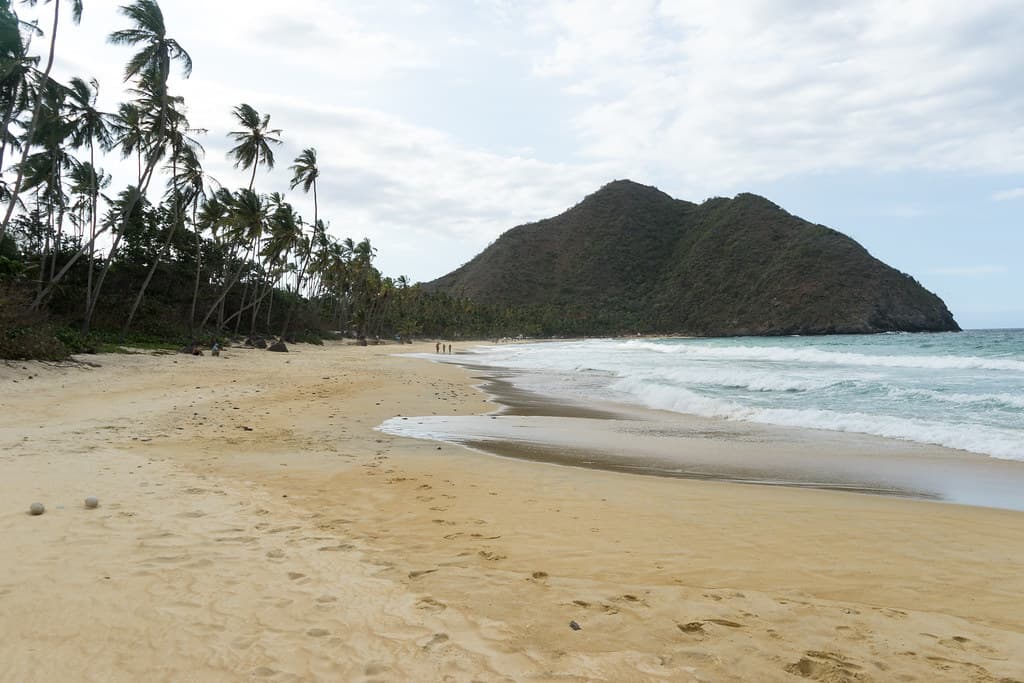
The Cepe River carves its final path through Henri Pittier's coastal forest before surrendering to the sea, and at that meeting point you'll find a stretch of sand that belongs equally to both worlds. Egrets stalk the shallows where freshwater eddies slow against incoming waves, and the river's sediment softens the surf into gentle swells that lap rather than crash. You'll arrive by boat—there's no road threading through the mountains behind you—and that isolation keeps the beach mercifully uncrowded even when the sun climbs high. Children wade knee-deep where the river fans out, their laughter mixing with the calls of oropendolas nesting in the ceiba trees. The sand holds a faint chill from the river's constant push, a relief when midday heat presses down. Bring provisions in waterproof bags; the closest tienda floats back upriver in Cepe village. By late afternoon, the estuary water warms to bath temperature, and you can float on your back watching frigatebirds circle the ridge where cloud forest begins. The boat captains know to return before the sea breeze dies, when the river current grows stubborn against the tide.
Places, rentals, tours and events within walking and driving distance of Playa Boca de Cepe.
Photos
Swimming at Playa Boca de Cepe requires awareness of its river-mouth location, where freshwater meets the sea. River mouths can create complex current patterns, particularly during high water flow or tidal changes. Water conditions are generally calmer than open ocean beaches, making it suitable for families, but supervision of children is essential. After heavy rains, river discharge may increase current strength and reduce water clarity. The sandy bottom typically provides safer footing than rocky beaches. As with all remote Venezuelan beaches, there are no lifeguards, so personal judgment and caution are necessary.
Playa Boca de Cepe is best enjoyed during drier months when river flow is moderate and water clarity is better. While it's a budget-friendly destination suitable year-round, visiting during less crowded periods on weekdays offers the most peaceful experience. The river-mouth setting provides some natural shade from vegetation, making it comfortable even during midday. Dry season months from December through April generally offer the most reliable weather. The beach's family-friendly character makes it appropriate for longer visits with children seeking calmer water conditions than ocean-facing beaches provide.
Access to Playa Boca de Cepe typically requires boat transportation, though the route may vary depending on river and coastal conditions. Boats can be arranged from Cepe village or nearby communities along the Aragua coast. The journey typically involves navigating along the coast or via the Cepe river system itself. Local knowledge is valuable for finding the most efficient route, so connecting with local boat operators or guides in Cepe is recommended. Travel time varies based on departure point and method, but the relatively accessible location makes it less remote than other boat-only beaches.
Playa Boca de Cepe itself lacks permanent facilities, but the nearby village of Cepe offers basic services, including simple lodging options and local eateries serving traditional Venezuelan food. As a budget-friendly destination, the area caters to travelers seeking affordable coastal experiences. Bringing your own food and drinks for beach days is still advisable, as on-beach services are minimal or non-existent. The village setting provides a more authentic local experience than tourist-oriented beach towns. Stock up on supplies in Cepe before heading to the beach, and be prepared with water and snacks.
Playa Boca de Cepe's unique character comes from its river-mouth location where the Cepe River meets the Caribbean, creating a distinctive ecosystem and landscape. This confluence produces calmer water conditions ideal for families with children and less confident swimmers. The area supports diverse wildlife attracted to the freshwater-saltwater interface, offering nature observation opportunities. Its position within the Henri Pittier coastal drainage system connects it to Venezuela's important national park ecosystems. The beach provides a more sheltered, budget-friendly alternative to open-ocean beaches while maintaining the hidden, authentic character of the remote Aragua coast.