
Counting the waves…
Counting the waves…
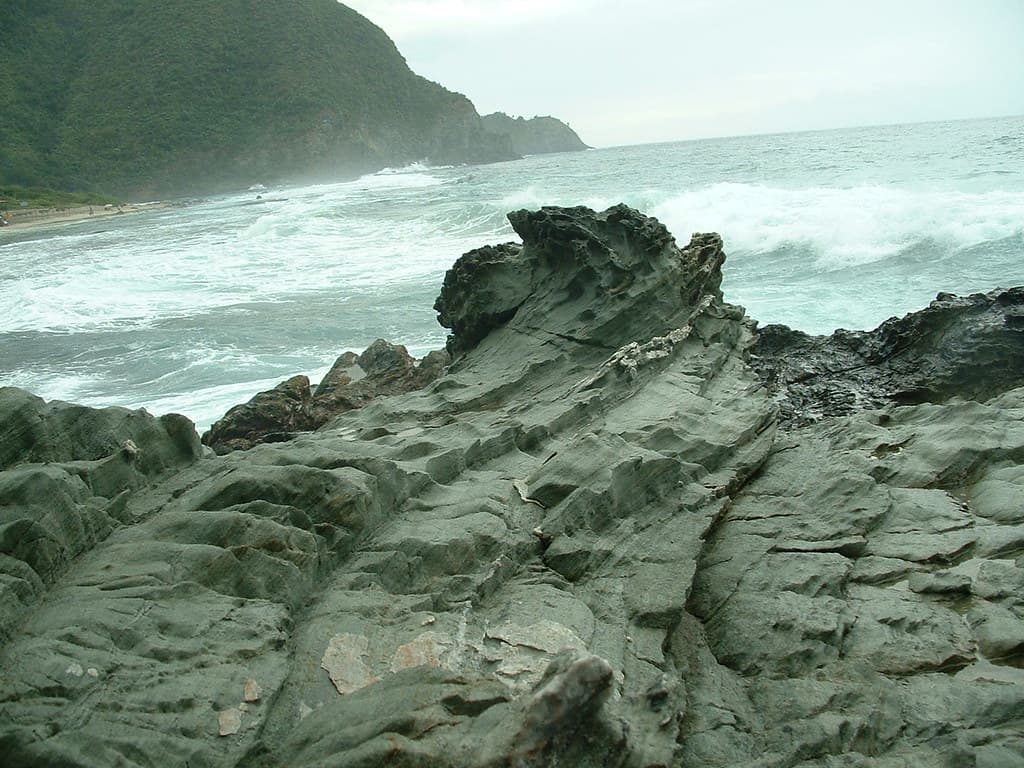
The panga cuts its engine a hundred meters out, and you wade ashore through bathwater warmth, your feet sinking into sand the color of raw cane sugar. Behind you, the Aragua mountains rise in folds of green so dense they look black in the shadows. No road reaches this beach—only fishermen know the route, and they're not telling. Midday here means heat that sits on your shoulders like a hand, broken only when trade winds shake the coconut palms lining the high-tide mark. The water stays shallow for thirty feet, warm enough that you forget where air ends and sea begins. A pair of frigate birds hangs motionless overhead, and the only sounds are waves folding onto sand and the occasional thud of a falling coconut. By late afternoon, the sun drops behind the coastal ridge, and the temperature falls ten degrees in as many minutes. You'll find driftwood logs smoothed silver by salt, perfect for sitting and watching the light turn the water from turquoise to pewter. The boatman returns at the agreed hour, and the jungle swallows the beach again behind you.
Places, rentals, tours and events within walking and driving distance of Playa Café.
Photos
Playa Café's sandy beach typically offers reasonable swimming conditions, though specific safety depends on daily weather and sea state. Being a remote beach without lifeguards means swimmers must assess conditions themselves and exercise appropriate caution. The beach's position along the Aragua coast means conditions can vary from calm to moderate waves. Never swim alone, stay within your abilities, and be mindful of currents. The quiet, overlooked nature means fewer people around, so travel with companions and let others know your plans for added safety.
Plan your visit during Venezuela's dry season, December through April, when weather is most favorable with abundant sunshine and calmer seas. This period offers the best conditions for sunbathing and enjoying the beach's remote, quiet character. Because Playa Café is often overlooked, even peak season sees minimal crowds compared to famous beaches. Weekdays provide even greater solitude. The less-crowded nature makes timing flexible, though good weather remains important for safe boat access and comfortable beach conditions. Morning visits offer cooler temperatures and serene atmosphere.
Reaching Playa Café requires boat transportation as it's located along the remote Aragua coastline between Chuao and Cepe. Arrange boat services from coastal towns such as Choroní, Puerto Colombia, or other nearby communities with marine access. Local operators can include Playa Café as part of multi-beach tours or as a specific destination. Travel time depends on your departure point, generally ranging from 30 minutes to over an hour. Being overlooked means it may not be on standard tour routes, so communicate clearly with boat operators about this specific destination.
Playa Café is a remote, quiet beach with no developed facilities or services on-site. There are no restaurants, shops, or lodging at the beach itself. Bring complete provisions for your visit including food, drinking water, snacks, and any beach equipment. The nearest services would be in Chuao or Cepe villages, though these are small communities with limited amenities. Most visitors approach Playa Café as a day-trip destination, staying in larger towns along the Aragua coast where proper accommodations and dining exist. Pack responsibly and carry out all waste.
Playa Café's greatest asset is being overlooked—offering genuine solitude and unspoiled beauty without crowds found at more famous beaches. This quiet, remote beach provides an authentic escape for sunbathing and relaxation in natural surroundings. Its location between the better-known Chuao and Cepe means adventurous travelers can enjoy pristine sandy shores largely to themselves. The beach offers similar scenic coastal beauty as its neighbors but with added tranquility. For those seeking peace, natural beauty, and a sense of discovery away from tourist paths, Playa Café delivers exactly that experience.