
Counting the waves…
Counting the waves…

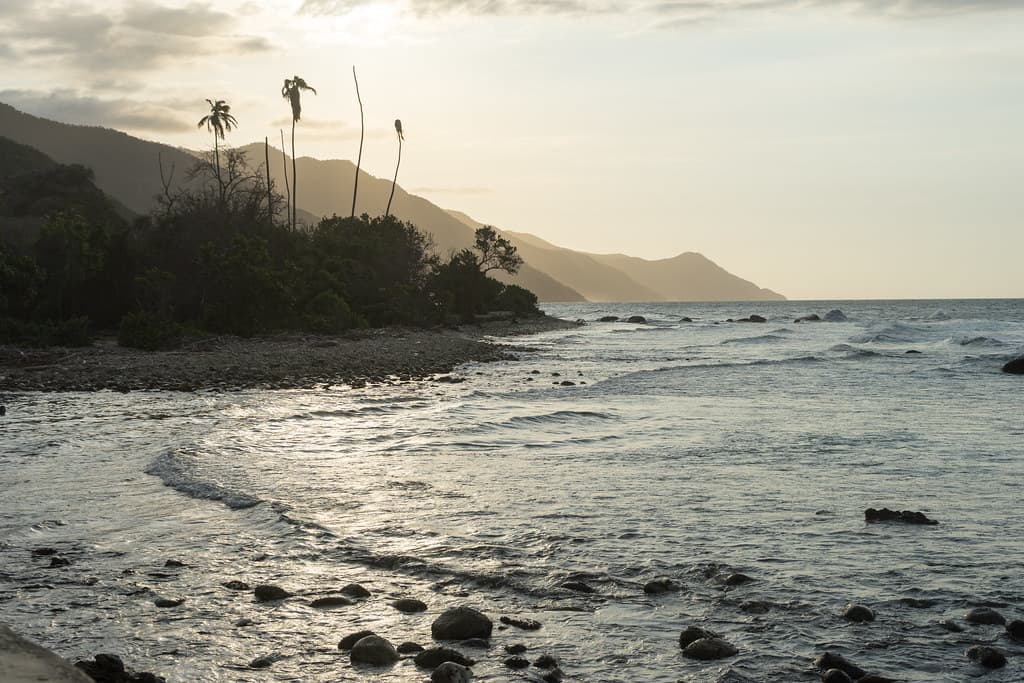
The walk from the main beach takes fifteen minutes over increasingly rocky terrain, and with each step, the noise fades—no drums, no children's laughter, just wind and waves striking stone. Punta Brava earns its name: the point catches swells at angles that send spray ten feet into the air, misting the black rocks with salt that dries white in the sun. You'll want sturdy shoes; the volcanic shelves are sharp and slick with algae. This isn't a swimming beach—the currents are too aggressive, the rocks too unforgiving. But if you're seeking perspective, few spots along this coast deliver it better. Perch on the higher outcrops and watch frigatebirds ride thermals above the breakers. At low tide, the pools reveal ecosystems in miniature: anemones pulsing, small fish darting between crevices, hermit crabs conducting their endless shell exchanges. Sunset transforms the headland into a theater of color. The western exposure means you get the full spectrum—tangerine bleeding into magenta, silhouetting the palms on the ridge behind you. Bring nothing you can't carry easily; there are no facilities, no vendors, just raw coast and the understanding that some places resist commercialization simply by being inhospitable to crowds. That resistance is Punta Brava's greatest gift.
Places, rentals, tours and events within walking and driving distance of Playa Punta Brava de Cuyagua.
Photos
Swimming at Playa Punta Brava requires caution due to its rocky nature and potentially strong currents. The rugged shoreline features exposed rocks and uneven terrain that can make entry difficult. Conditions vary with tides and weather, so assess wave patterns carefully before entering. This beach is better suited for experienced swimmers who are comfortable with challenging conditions. Always swim during daylight hours and avoid going alone. Local knowledge is valuable, so observe where locals swim if present.
The best time to visit is during Venezuela's dry season, typically December through April, when you'll encounter fewer crowds and clearer skies for sunset viewing. Weekdays offer the most solitude compared to weekends when locals may visit. Early morning and late afternoon provide the best lighting for photography and comfortable temperatures. The beach's rugged character is appealing year-round for those seeking tranquility, though rainy season (May-November) can bring afternoon showers. Budget travelers will find consistent affordability throughout the year.
Playa Punta Brava is located adjacent to the main Cuyagua beach in Aragua state. From Caracas, drive west along the coastal highway toward Maracay, then take the winding mountain road to Cuyagua village (approximately 2-3 hours). Once in Cuyagua, ask locals for directions to Punta Brava, which sits beside the main beach area. The access may involve walking along rocky paths. Public transportation reaches Cuyagua village via buses from Maracay, but the final approach typically requires walking.
Food and lodging options are concentrated in Cuyagua village rather than directly at Punta Brava. The village offers budget-friendly guesthouses, posadas, and small hotels catering to surfers and beach visitors. Local restaurants serve traditional Venezuelan fare including fresh seafood, arepas, and empanadas at affordable prices. Beach vendors may sell snacks and drinks during busy periods. For the best selection, stay in the main village area within walking distance of this quieter beach section. Advance booking is recommended during peak season and weekends.
Playa Punta Brava offers a quieter, more rugged alternative to the main Cuyagua surf beach. Its rocky shoreline and hidden location attract fewer visitors seeking solitude and dramatic coastal scenery. While the main beach is known for surfing and family activities, Punta Brava appeals to photographers, sunset watchers, and explorers who appreciate untouched landscapes. The rocky terrain creates interesting tidal pools and geological formations absent from sandy stretches. It's ideal for contemplative walks and nature observation rather than swimming or water sports.