Counting the waves…
Counting the waves…
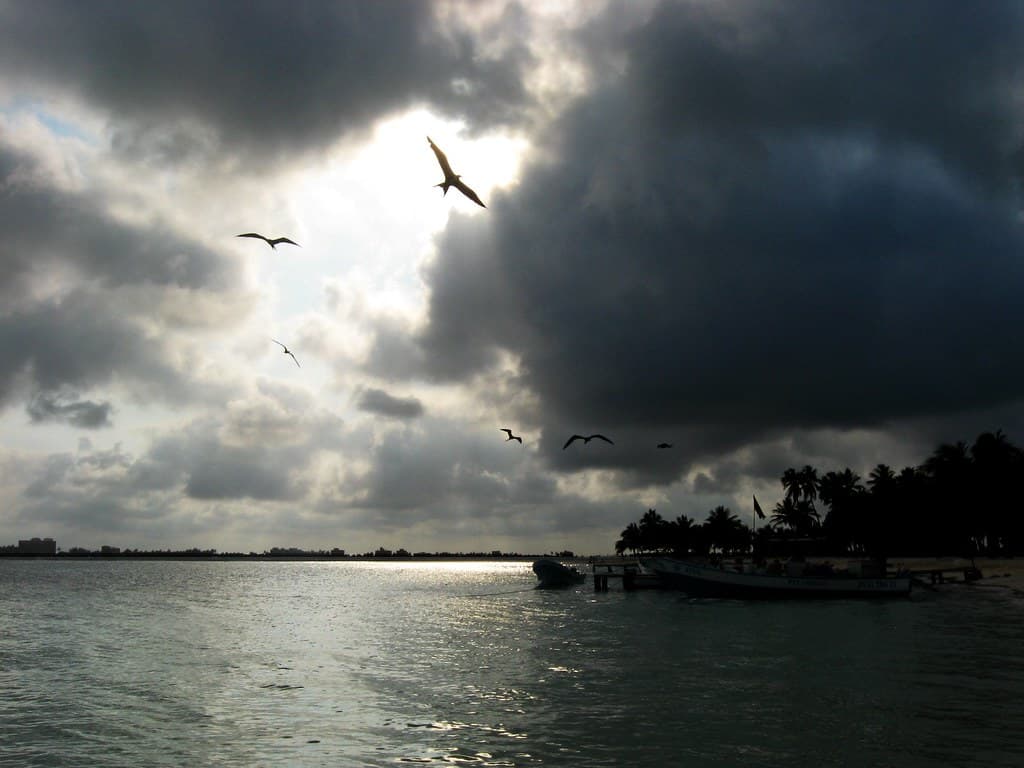
Calling this a beach requires generosity—it's more accurately a river mouth, a wetland edge, a transition zone that happens to include sand. The shoreline curves in a gentle arc, soft underfoot but darker than ocean beaches, rich with organic sediment washed down from the interior. You walk out fifty meters and the water barely reaches your knees, warm and murky, alive with tiny fish that scatter at your approach. The Yaracuy delivers more than water—it brings nutrients that feed the mangrove ecosystem, floating vegetation that tangles in the tidal debris, and occasionally, after heavy rains, entire trees that end up beached like monuments to upstream storms. Herons work the shallows methodically, stabbing at fish trapped in receding pools. Fishermen in wooden boats painted improbable blues and greens check their nets, motors tilted up in the shallow draft. Come for the sunset, when the whole estuary turns bronze and the river's surface mirrors clouds stacked above the inland hills. The light catches the mangrove leaves, turning them from green to gold. By the time darkness settles, the egrets have claimed their roosting branches and the air is thick with the smell of warm mud and salt. You'll have sand in your shoes that's different from any other beach—river sand, carrying stories from miles upstream.
Places, rentals, tours and events within walking and driving distance of Playa Boca de Yaracuy.
Photos
Swimming at Playa Boca de Yaracuy requires caution as it's a river-mouth beach where freshwater meets the Gulf. River currents mixing with tidal flows can create unpredictable conditions, potentially stronger than typical ocean beaches. Water clarity varies depending on river discharge and recent rainfall. This type of beach is generally better for wading, scenic walks, and sunset viewing rather than extended swimming. If you choose to enter the water, stay close to shore, avoid areas where currents appear strongest, and never swim alone. Children should be closely supervised at all times near the water's edge.
The optimal time to visit Playa Boca de Yaracuy is during Venezuela's dry season, December through April, when river levels are typically lower and conditions more predictable. This hidden beach is ideal for travelers seeking fewer crowds and budget-friendly experiences, so weekdays offer the most peaceful visits. Late afternoon is particularly recommended for spectacular sunset views, as suggested by the beach's tags. The scenic nature of the river-mouth environment is most accessible during drier months when wetland shorelines are easier to navigate. Visit during low tourist season for an even more secluded experience.
Playa Boca de Yaracuy is located near Chichiriviche in Falcón state, at the mouth of the Yaracuy River where it meets the coastal wetland environment. Chichiriviche is accessible by road from major cities in Venezuela. From Chichiriviche town, reaching this hidden beach typically requires local transportation such as taxis or arranged tours, as it's situated away from the main tourist beaches. The river-mouth location may involve traveling along rural or coastal roads. Given its wetland shoreline character, access conditions can vary seasonally, so confirm directions and feasibility with local guides or residents before attempting to visit.
Playa Boca de Yaracuy, being a hidden river-mouth beach, has minimal to no direct beachfront facilities. Your best strategy is to base yourself in Chichiriviche town, which offers budget-friendly posadas, small hotels, and guesthouses suitable for various budgets. Chichiriviche has restaurants serving Venezuelan cuisine and fresh seafood. Plan to bring your own food, water, and supplies to the beach, as services at this remote location are unlikely. The scenic, hidden nature of this beach means it's more suited for picnics and sunset excursions rather than full-day stays requiring amenities. Prepare accordingly for a more rustic beach experience.
Playa Boca de Yaracuy's unique character stems from its river-mouth position where the Yaracuy River flows into the Gulf of Cuare wetland environment. This creates a distinctive ecosystem different from typical sandy beaches, featuring a blend of freshwater and saltwater habitats that support diverse wildlife and vegetation. The beach is particularly scenic due to the transitional landscape of river, wetland, and coastal environments converging. Sunset views are exceptional, with the river mouth providing dramatic foreground elements. Its hidden nature appeals to travelers seeking authentic, uncommercialized coastal experiences away from developed tourist areas, offering tranquil natural beauty.