Counting the waves…
Counting the waves…

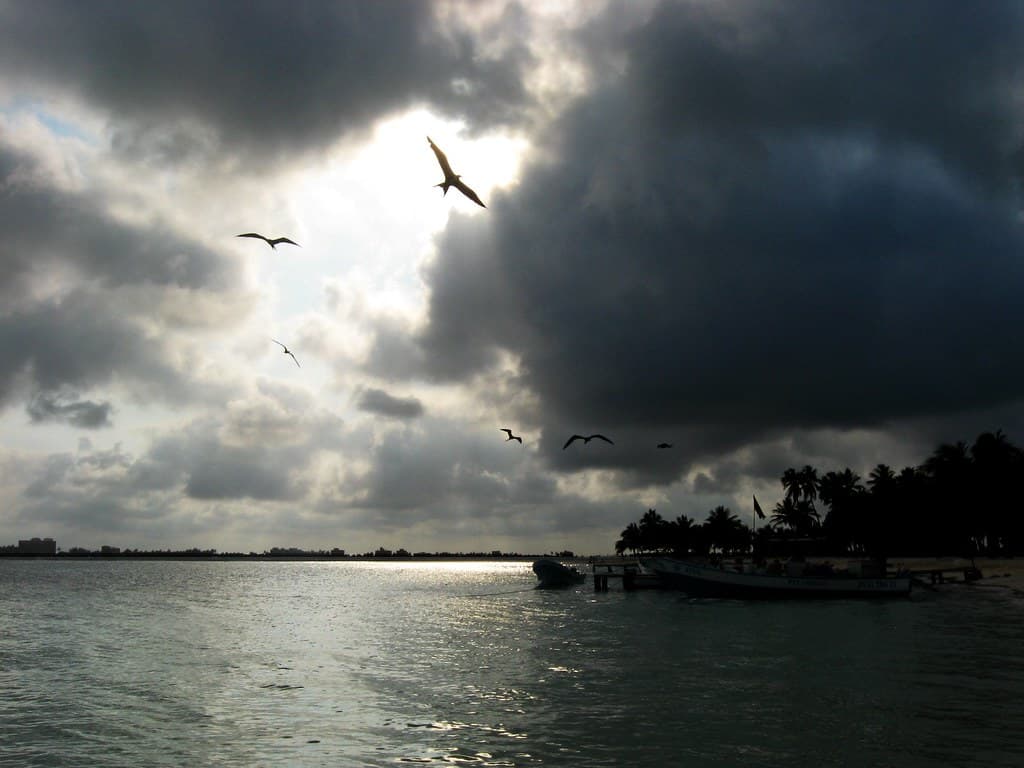
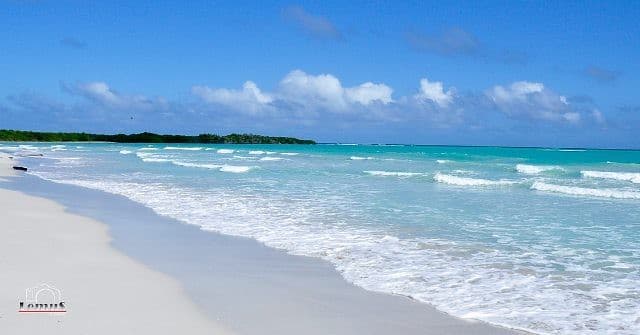
Cayo Paiclás hunkers low on the horizon, a scrubby island fringed with sand so fine it squeaks underfoot. The water around it shifts through a spectrum of blues—pale turquoise over the shallows, deepening to cobalt where the reef drops off. You'll hear the beach before you see it: the distant crash of swells breaking on the windward coral, the hiss of waves sliding up powdered shore, the occasional screech of a magnificent frigatebird overhead. Step into the shallows and the sand gives way almost immediately to coral rubble, then living reef. Elkhorn branches angle toward the surface; parrotfish rasp at algae-covered rock; a spotted eagle ray might glide past if you stay still long enough. The water is warm, bathwater-warm, and so clear you can count the spines on a sea urchin ten feet down. Snorkeling here doesn't require a boat trip to some distant site—you wade in, duck your head, and you're already surrounded. The beach itself curves in a gentle crescent on the leeward side, shaded sporadically by windblown palms and sea grape trees. Mornings bring the first launches from Tucacas, but by mid-afternoon you might have whole stretches to yourself. The sand holds the day's heat long after sunset, and hermit crabs emerge to scuttle sideways across the tideline, dragging mismatched shells.
Places, rentals, tours and events within walking and driving distance of Playa Cayo Paiclás.
Photos
Playa Cayo Paiclás is excellent for snorkeling, positioned alongside vibrant coral reefs that make it a standout destination for underwater exploration. The reef-side location provides opportunities to see colorful fish, coral formations, and diverse marine life in clear turquoise waters. Swimming is generally safe in designated areas, though snorkelers should be cautious around coral to avoid injury and protect the fragile ecosystem. Bring your own snorkeling equipment or arrange rentals through your boat operator. Water shoes are recommended, and always check current conditions before entering the water.
For optimal snorkeling conditions at Playa Cayo Paiclás, visit during the dry season from December to April when water visibility is at its peak and seas are calmest. Early morning typically offers the clearest water and most active marine life before sediment gets stirred up. Weekdays and non-holiday periods provide a less crowded experience, giving you more space to explore the reefs. The beach is accessible year-round, but visibility may decrease during rainy periods. Water temperatures remain warm throughout the year, making any season suitable for extended snorkeling sessions.
Reaching Playa Cayo Paiclás requires boat transportation from Tucacas, as this is an island cay within Morrocoy National Park. Visit the embarcadero (main boat dock) in Tucacas town, where multiple boat operators provide service to various cays. You can hire a private boat for your group or join snorkeling-focused tours that specifically visit reef areas. The trip usually takes 20-30 minutes depending on vessel type and conditions. Confirm that your boat operator knows the location, as this is a less mainstream destination. Arrange return pickup times before departure.
Playa Cayo Paiclás is an undeveloped, uninhabited cay with no facilities, restaurants, shade structures, or accommodations. Visitors must be completely self-sufficient, bringing food, beverages, sun protection, and all necessary equipment including snorkeling gear if desired. Pack out all trash to preserve this pristine environment. All lodging and dining establishments are located in Tucacas, which offers various accommodation options and restaurants. Some tour operators can arrange picnic lunches or beach services with advance notice. Plan carefully as there are no shops or services once you reach the island.
Playa Cayo Paiclás distinguishes itself as one of Morrocoy's premier snorkeling destinations due to its proximity to healthy coral reef systems. While many cays offer beautiful beaches, Paiclás provides direct access to underwater ecosystems teeming with marine biodiversity. The reef-side position creates exceptional opportunities for observing tropical fish, sea turtles, and coral formations without traveling far from shore. This hidden gem attracts serious snorkelers and nature enthusiasts rather than casual beachgoers, resulting in a more conservation-minded, peaceful atmosphere. The combination of pristine reefs and fewer crowds makes it invaluable for underwater exploration.