Counting the waves…
Counting the waves…
A refined fusion of water purity, environmental stability, and communal vibrancy for Playa Cayo Sal.
View MethodologyAnalyzed via live sensors and environmental data.
Wave height, wind, and atmospheric stability.
Live footfall and crowd balance metrics.
Community reviews and curated sentiment.
“Picture a secluded haven where the sand gleams under the sun, soft and cool beneath your feet, and the water shimmers with an intoxicating blue. Playa Cayo Sal offers a tranquil escape, a place where the world's worries…”
Limited recent visitor reports — live OBI telemetry is your best guide for current conditions.
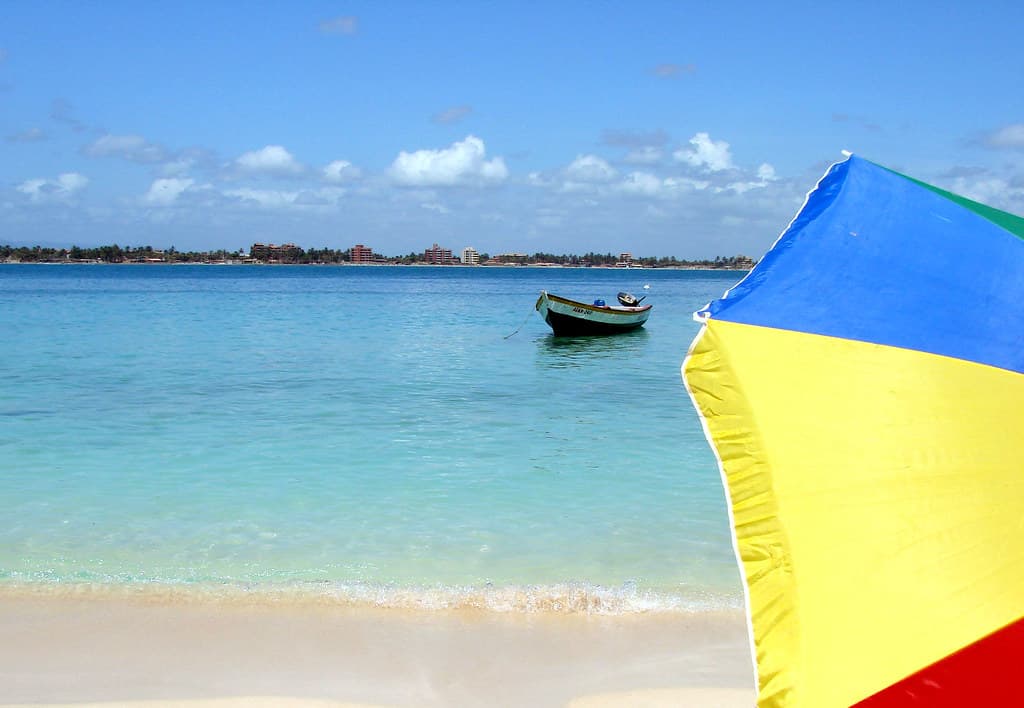
Playa Cayo Sal is a testament to the raw, untamed beauty of La Orchila. This cay beach is renowned for its immaculate white sand, a stark, dazzling contrast against the deep, inviting blues of the Caribbean Sea. The sand here is incredibly fine, almost powdery, making every step a luxurious experience as you wander along the water's edge or find your perfect spot to unwind.
The water at Cayo Sal is a mesmerizing palette of blues and greens, so transparent that you can easily spot the sandy ripples on the seabed from above. It’s an open invitation for a refreshing dip, a place where you can float effortlessly, feeling the warmth of the sun on your skin and the gentle caress of the sea. The calm conditions make it ideal for leisurely swims and simply enjoying the aquatic environment.
 Credit: Unsplash
brown rocky mountain beside body of water during daytime
 Credit: Unsplash
seashore during daytime
On dazzling white sand
In calm, clear water
Stunning seascapes
Prime Visitation
Best Weather
Where it is
Playa Cayo Sal
La Orchila Island, Federal Dependencies, Venezuela
11.837800°, -66.166200°
Weather
Loading…
Swell
—
Temp
Warm · Restorative
UV Index
Moderate
Wind
—
Tidal State
Last known
Max Sunlight
—
Ideal Shade
—
Jan - Dec (Peak)
May - Nov (Off-season)
Historical data suggests peak visibility and stable sea temperatures occur during the prime visitation window.
Select a category to load nearby places.
Unlock restaurants, luxury stays and curated maritime experiences within 2km
Playa Cayo Sal generally offers favorable swimming conditions typical of cay environments, with white sand, turquoise waters, and often calmer conditions than open ocean beaches. The clear water allows visibility of the bottom and potential hazards. However, this extremely remote location has no lifeguards, medical facilities, or emergency services whatsoever. Swimmers must be confident in their abilities and exercise appropriate caution. Always swim with a companion, watch for currents between cays, and assess conditions before entering the water. The isolation demands complete self-reliance regarding safety.
The optimal time to visit Playa Cayo Sal is during Venezuela's dry season from December through April, when weather conditions are most reliable. During these months, you'll experience the best combination of sunshine, minimal rainfall, calm seas, and maximum water clarity that showcases the turquoise waters beautifully. However, accessing this remote cay requires special permissions for La Orchila Island and depends on available transportation, which may be limited regardless of season. Plan several months ahead and maintain schedule flexibility, as weather conditions critically affect access to such isolated locations.
Accessing Playa Cayo Sal is extremely challenging. First, you must obtain special permission from Venezuelan authorities to visit La Orchila Island, which is military-controlled and restricted. Next, arrange private or chartered transportation to La Orchila via boat or small aircraft from mainland Venezuela—there are no commercial services. Finally, reaching Cayo Sal specifically requires an additional boat journey from La Orchila's main areas. The entire process is expensive, logistically complex, and requires extensive advance planning, official authorizations, and likely specialized expedition operators or government contacts.
Playa Cayo Sal has absolutely no tourist facilities—no accommodations, restaurants, shops, or services of any kind. This is a completely undeveloped cay where visitors must be entirely self-sufficient. You'll need to bring all supplies including food, drinking water, camping equipment if staying overnight, sun protection, first aid supplies, and anything else you might need. There are no resupply opportunities. Only experienced wilderness travelers with proper equipment should consider visiting. Remember to pack out all trash to preserve this pristine environment for future generations.
While specific details about why Cayo Sal is considered "important" aren't widely documented, cays often hold significance for various reasons including navigation, marine ecosystems, or historical use. The name "Sal" (salt) may hint at historical salt production or distinctive geological features. Like other cays around La Orchila, it offers exceptional white sand beaches and turquoise waters in a pristine, undeveloped state. Its designation as important suggests it may have particular ecological, geographical, or strategic value. The combination of beauty and inaccessibility makes it a significant natural treasure worth protecting.
Photos