Counting the waves…
Counting the waves…
A refined fusion of water purity, environmental stability, and communal vibrancy for Playa Cayo Boca Chica.
View MethodologyAnalyzed via live sensors and environmental data.
Wave height, wind, and atmospheric stability.
Live footfall and crowd balance metrics.
Community reviews and curated sentiment.
“Seek out the quiet beauty of Cayo Boca Chica, a secluded sandy haven accessible by boat. This tranquil spot offers pristine waters and a peaceful atmosphere, perfect for those desiring an intimate Caribbean escape.”
Limited recent visitor reports — live OBI telemetry is your best guide for current conditions.
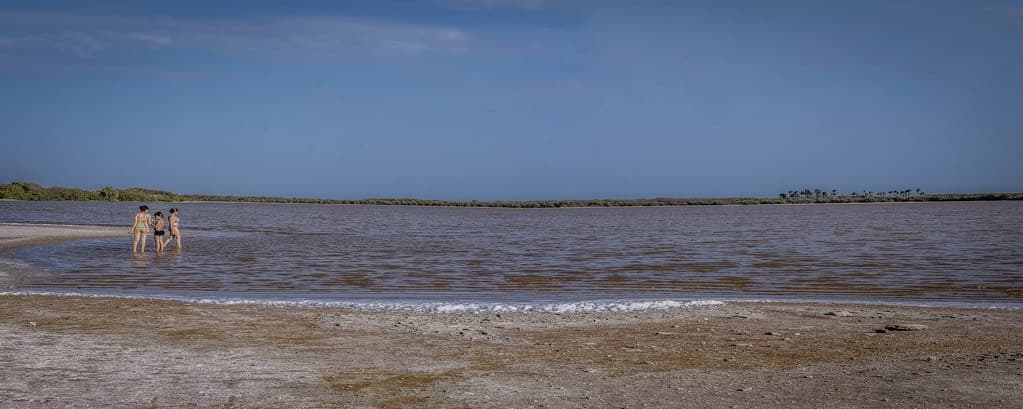
Nestled in the eastern reaches of the Las Aves de Barlovento archipelago, Playa Cayo Boca Chica is a delightful secret waiting to be discovered. This isn't a beach that shouts for attention; instead, it whispers an invitation to those who appreciate understated beauty and genuine tranquility. The sand here is soft and inviting, a pale canvas against the vibrant blues and greens of the Caribbean Sea. It's a place where the only sounds are the gentle lapping of waves and the occasional call of a seabird, creating an atmosphere of profound calm.
Reaching Cayo Boca Chica requires a boat, which contributes to its secluded charm and ensures a peaceful experience away from larger crowds. Once you step ashore, you'll find clear, shallow waters that are perfect for swimming, wading, or simply cooling off under the tropical sun. The visibility often makes for excellent snorkeling close to the shore, revealing small schools of fish and delicate coral formations.
 Credit: Unsplash
brown rocky mountain beside body of water during daytime
 Credit: Unsplash
seashore during daytime
Calm, clear waters
Secluded sunbathing
Shallow reef exploration
Prime Visitation
Less Crowds
Where it is
Playa Cayo Boca Chica
Las Aves de Barlovento, Federal Dependencies, Venezuela
11.954400°, -67.413900°
Weather
Loading…
Swell
—
Temp
Warm · Restorative
UV Index
Moderate
Wind
—
Tidal State
Last known
Max Sunlight
—
Ideal Shade
—
Jan - Dec (Peak)
May - Nov (Off-season)
Historical data suggests peak visibility and stable sea temperatures occur during the prime visitation window.
Select a category to load nearby places.
Unlock restaurants, luxury stays and curated maritime experiences within 2km
Swimming safety depends on daily sea and weather conditions at this remote, uninhabited cay. The sandy beach generally offers comfortable water entry, and 'Boca Chica' (small mouth/opening) may suggest a smaller channel with potentially calmer waters than larger openings, though currents can still be present. Without lifeguards or emergency services anywhere in the Federal Dependencies, you're responsible for your own safety. Only swim if you're a confident swimmer, conditions are calm, and you're not alone. Always have safety equipment available on your boat.
Plan your visit during December through April, Venezuela's dry season, when weather is most stable and seas calmest for the extended offshore journey to the Las Aves Archipelago. This period provides optimal conditions for safe navigation and comfortable beach enjoyment. As a minor, hidden cay beach, you'll experience solitude regardless of season. The eastern Las Aves de Barlovento location may catch different light and weather patterns than western cays. Strictly avoid June to November hurricane season when tropical storms make offshore travel dangerous.
Access requires boat transportation exclusively, with no ferry or air service to these remote Federal Dependencies islands. Charter a private vessel or book an organized sailing expedition from mainland Venezuelan ports like Puerto La Cruz, Higuerote, or La Guaira. The journey spans approximately 70-80 nautical miles of open Caribbean water, requiring 4-8 hours depending on vessel speed and sea state. Only experienced operators familiar with navigating to these isolated cays should attempt the trip. Weather windows are crucial for safe passage.
This minor cay has zero development, meaning no accommodations, restaurants, shops, or any commercial facilities exist. Visitors must be entirely self-sufficient with all food, water, shelter, and equipment brought from the mainland. Most people visit aboard multi-day sailing charters that provide sleeping quarters and meals on the boat. If regulations and conditions allow camping, you'd need complete camping gear and provisions. The uninhabited nature is part of the appeal, offering authentic deserted-island experience, but demands thorough preparation and self-reliance.
As a minor eastern cay in Las Aves de Barlovento, this beach provides detailed coverage of the archipelago's less-visited areas, offering exceptional solitude even by Las Aves standards. The 'Boca Chica' name suggests a small channel or pass that may create interesting tidal dynamics and attract marine life, potentially offering good snorkeling or fishing spots. Its position in the eastern section of the archipelago means different exposure to prevailing winds and currents compared to western cays. For completist travelers seeking to thoroughly explore Las Aves, this represents an authentic hidden gem.
Photos