
Counting the waves…
Counting the waves…

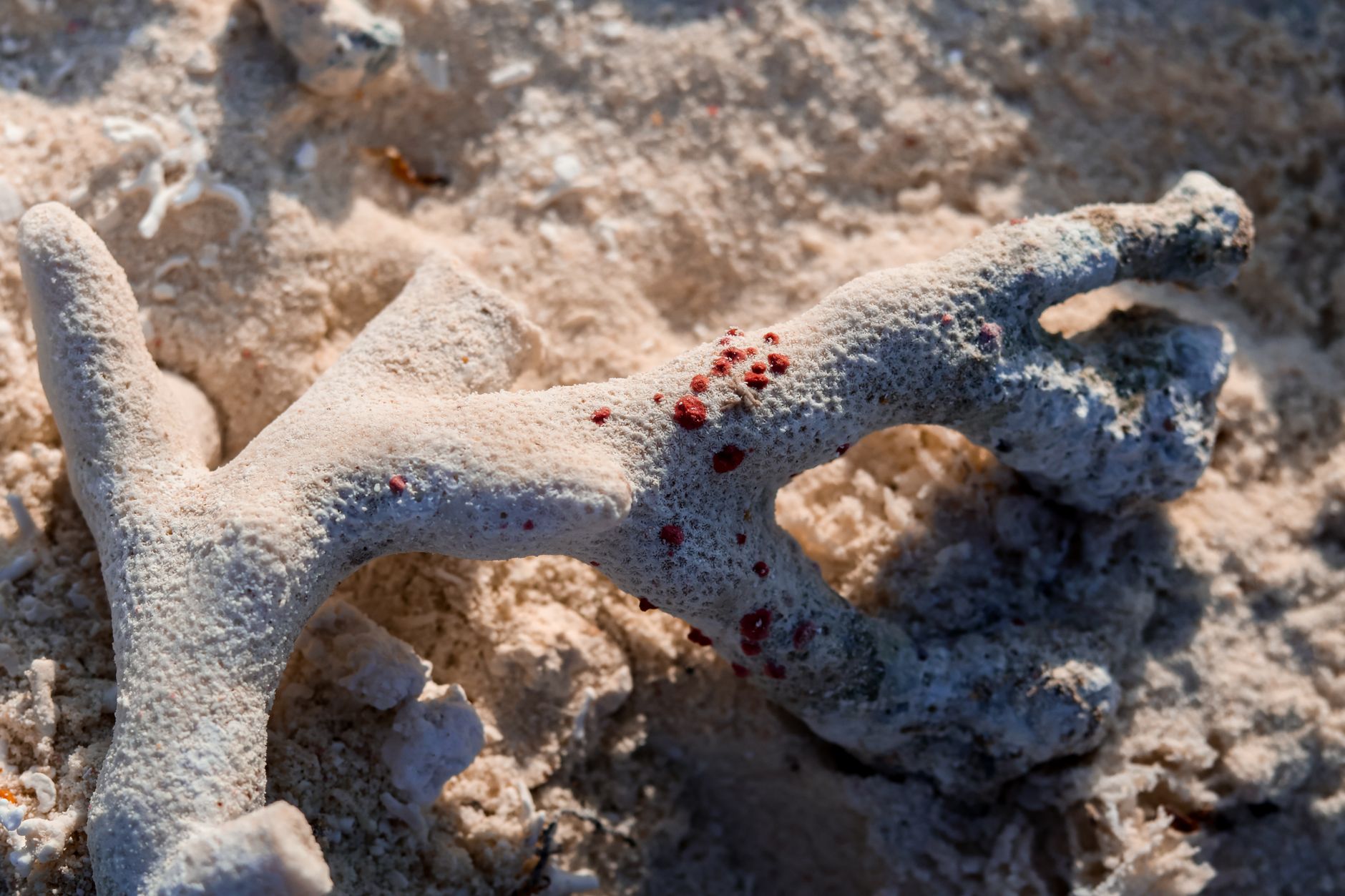
Playa Bajo Coral is less about the sand beneath your feet and more about the vibrant ecosystem that thrives just below the water's surface. This reef zone is a jewel of the Los Monjes Archipelago, renowned for its healthy coral formations and the dazzling array of marine life they support. The water here is typically calm and exceptionally clear, offering optimal conditions for underwater exploration. Don your mask and fins, and slip into a world of living color. Schools of iridescent fish dart through intricate coral structures, sea turtles glide gracefully, and rays might be spotted cruising the sandy patches between the reef. Every glance reveals a new detail, a new creature, making each moment underwater a discovery. It’s a dynamic, ever-changing landscape that captivates the senses. Whether you're a seasoned diver or a first-time snorkeler, the accessibility and richness of Playa Bajo Coral make it an unforgettable experience. The sheer biodiversity and the pristine condition of the reef are a testament to the archipelago's protected status. It’s a truly immersive encounter with the ocean's wonders, leaving you with a profound appreciation for its delicate beauty.
Places, rentals, tours and events within walking and driving distance of Playa Bajo Coral.
Photos
Playa Bajo Coral offers opportunities for swimming and snorkeling around its reef zone, but safety depends on conditions and experience level. Reef areas typically have calmer waters but require caution around coral formations to avoid injury and protect the fragile ecosystem. Currents can be unpredictable, and the remote location means no lifeguards or emergency services are available. Snorkelers and swimmers should be experienced, use appropriate gear, never touch coral, and be aware of marine life. Always check conditions before entering and never explore alone in this isolated setting.
The best time for diving and snorkeling at Playa Bajo Coral is during Venezuela's dry season, December through April, when weather conditions are most favorable and water visibility is typically better. Calmer seas during this period make boat access easier and underwater conditions more enjoyable. Reef exploration benefits from good weather windows with minimal wind and current. However, access requires permits and suitable weather regardless of season. The reef zone's marine life can be observed year-round, though conditions for safe diving vary with weather patterns.
Reaching Playa Bajo Coral requires boat access and special government permits, as Los Monjes Archipelago is a restricted military zone. There is no public transportation to these islands. Visitors must arrange private or chartered vessels equipped for the ocean crossing from mainland Venezuela. Due to territorial restrictions and military presence, access is extremely limited and generally restricted to authorized personnel, marine researchers, or rare sanctioned diving expeditions with proper documentation. The reef location requires boats with appropriate navigation equipment and experienced captains familiar with local waters.
There are no facilities, dive services, or any commercial operations at Playa Bajo Coral or anywhere in the Los Monjes Archipelago. Divers and snorkelers must be completely self-sufficient, bringing all equipment, tanks, safety gear, food, water, and emergency supplies. There are no dive shops, equipment rentals, guides, or support services available. Any diving activity requires careful independent planning with proper safety protocols, as emergency assistance is extremely limited. The nearest services are on the Venezuelan mainland, many hours away by boat.
Playa Bajo Coral's unique feature is its reef zone, which creates exceptional opportunities for snorkeling and diving in an extremely remote and pristine environment. The coral reef ecosystem likely supports diverse marine life with minimal human impact due to the archipelago's restricted access and isolation. Reef areas typically offer rich biodiversity, including tropical fish, coral formations, and potentially larger pelagic species. The untouched nature of this reef zone makes it particularly special for experienced divers seeking wilderness underwater experiences, though access challenges mean very few people ever visit this remarkable marine environment.