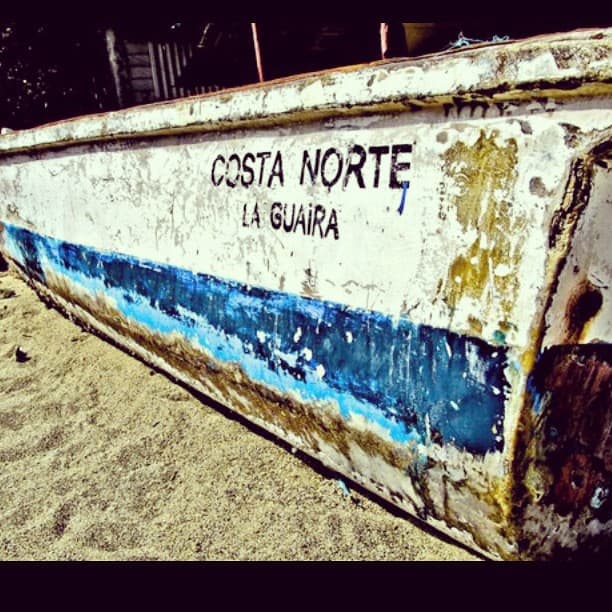
Counting the waves…
Counting the waves…
This isn't a beach for towels and paperbacks. You pick your way across shelves of volcanic rock, each surface polished to pewter by the relentless percussion of waves. The stone slopes into water that shifts from jade in the shallows to a cobalt so deep it seems backlit. Sea spray hangs in the air, salting your lips, while crabs the color of rust scuttle into crevices at your approach. The formations here tell geologic stories—columnar basalt fractured into hexagons, arches carved by millennia of surge, caves that boom with each incoming swell. At low tide, pools collect rainbows of parrotfish, their scales refracting light like stained glass. By noon, the heat radiating off black rock sends most visitors into the water, where submerged boulders create channels and eddies worth exploring with mask and fins. Photographers arrive before dawn, when the light is pearl and the shadows sharp enough to etch the rock's contours. Instagrammers time their visits to the golden hour, when the setting sun ignites the spray and turns the basalt to bronze. But the locals know to come at mid-tide on windless mornings, when the pools are calm and the water gin-clear—when the coast reveals its architecture without the theater.
Places, rentals, tours and events within walking and driving distance of Playa Punta Chichiriviche.
Photos
Swimming at rocky beaches like Playa Punta Chichiriviche requires caution. The rocky terrain means irregular depths, potential sharp surfaces, and less predictable currents compared to sandy beaches. Wear water shoes to protect your feet from rocks and sea urchins. Calm weather conditions are essential for safe water entry. Always check local conditions before swimming, avoid areas with strong wave action against rocks, and never swim alone. The remote location means limited emergency services, so extra vigilance is necessary.
The dry season from December to April offers the best conditions with calmer seas and clearer skies, ideal for photography and exploring rocky areas safely. However, visiting during shoulder seasons (May-June or October-November) provides fewer crowds and budget-friendly travel options. Morning visits offer better lighting for the scenic rocky landscape and typically calmer waters. Weekdays are quieter than weekends. Always verify weather conditions before visiting, as rough seas can make rocky beaches inaccessible and dangerous.
Access to this remote beach typically requires traveling along the coastal road from Carayaca in La Guaira state. The journey may involve rough roads or trails, potentially requiring a 4x4 vehicle or hiking. Local knowledge is valuable for finding the exact access point. Consider hiring a local guide or asking in Carayaca village for current directions and road conditions. Some visitors may access the area by boat from nearby beaches. Allow extra travel time and bring sufficient water and supplies due to the remote location.
This hidden, remote beach has minimal or no on-site facilities. Visitors should bring all necessary food, water, and supplies for the day. The nearest restaurants and basic services are in Carayaca village or other nearby coastal communities. Lodging options are limited in the area; most visitors stay in La Guaira or Caracas and make day trips. For overnight stays near Carayaca, look for small guesthouses or posadas in coastal villages. Always bring more provisions than needed due to limited services in this remote region.
This rocky beach offers dramatic coastal scenery perfect for photography, with interesting rock formations and untouched natural beauty. Its remote location means exceptional solitude and an authentic, undeveloped beach experience rarely found near urban areas. The rocky landscape creates unique tidal pools and marine habitats to explore during low tide. As an Instagrammable hidden gem, it provides stunning backdrops without tourist crowds. The beach represents Venezuela's diverse coastline beyond typical sandy beaches, appealing to adventurous travelers seeking off-the-beaten-path destinations along the Aragua-La Guaira transition coast.