Counting the waves…
Counting the waves…
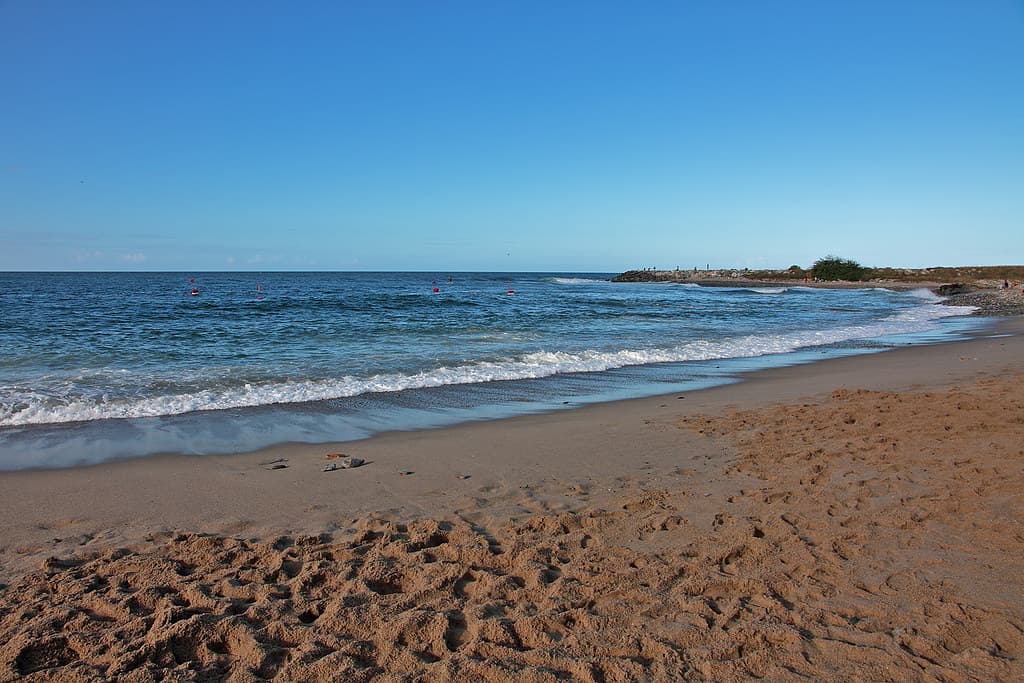
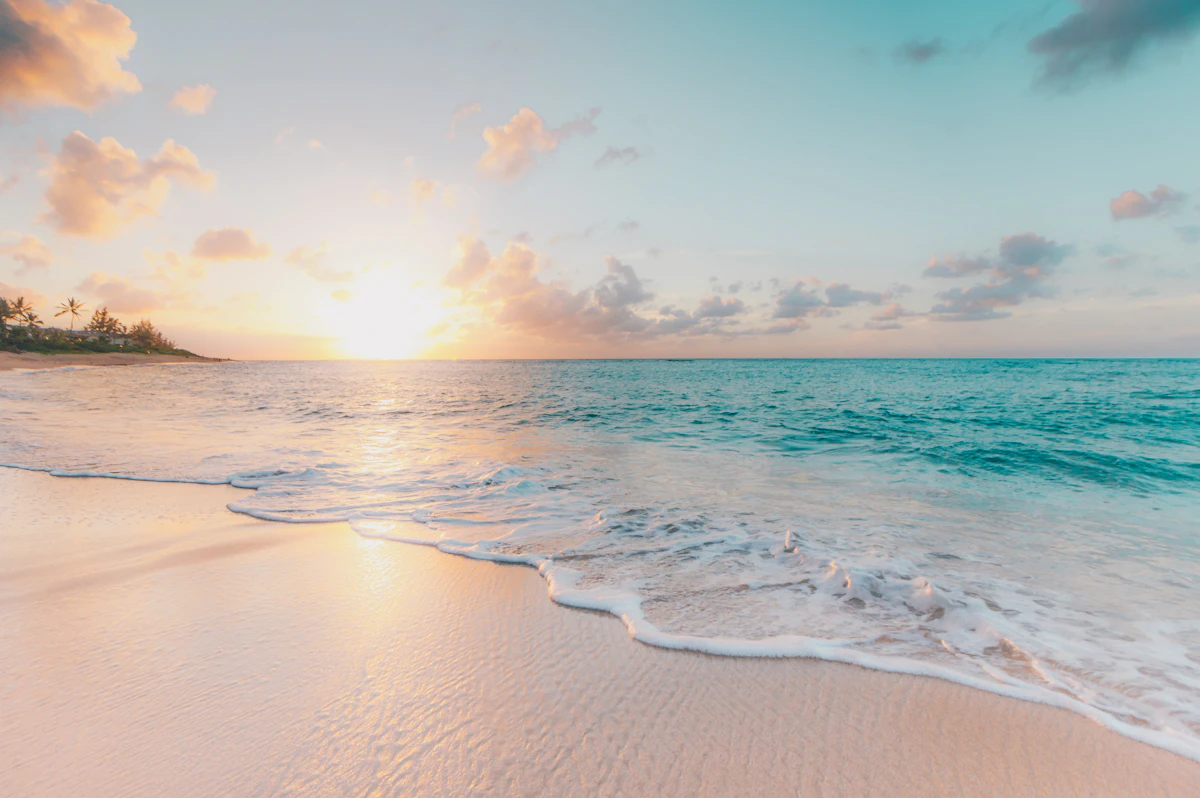
Punta Care marks where the coastline bends, creating a headland that takes the full force of the prevailing swells. The substrate here runs entirely to rock—smooth volcanic stone in shades of charcoal and rust, carved by centuries of wave action into rounded shapes that interlock like vertebrae. At high tide, waves surge through the gaps, sending spray into the air with a percussion you feel in your chest. Low tide reveals an intricate system of pools, each its own miniature ecosystem. Sally lightfoot crabs scuttle across the exposed rocks, their orange shells bright against the dark stone. Tide pools hold trapped fish, sea urchins wedged into crevices, and anemones that pulse with the residual wave energy. You'll need water shoes—the rocks grow slick with algae in the splash zone, and the surface temperature can burn bare feet by midday. Sunset transforms the point into a photographer's platform. The light rakes across the water from the west, turning the Caribbean surface into hammered copper. From here, you can see the coastline curve back toward the Ávila massif and, on clear evenings, the faint outline of Caracas's high-rises catching the last light. The point stays empty most evenings—reaching it requires scrambling over uneven rock from the nearest sandy beach.
Places, rentals, tours and events within walking and driving distance of Playa Punta Care.
Photos
Playa Punta Care is a rocky, point-side shoreline, which typically presents challenging swimming conditions compared to sandy beaches. Rocky points often experience stronger currents, waves breaking against rocks, and uneven underwater surfaces. Swimming here requires experience and excellent water skills. Wear protective water shoes to prevent cuts from sharp rocks or sea urchins. The scenic nature suggests it's better suited for viewing and photography than swimming. If you choose to enter the water, do so with extreme caution, check conditions carefully, and never swim alone or during rough seas.
Playa Punta Care is recommended for less-crowded experiences and budget travel, making weekdays and off-peak seasons ideal. The beach is particularly notable for sunset viewing, so late afternoon visits offer the best lighting and photographic opportunities. Venezuela's dry season from December to April provides clearer skies for dramatic sunsets. Early mornings also offer peaceful moments for scenic appreciation without crowds. Being a hidden, rocky point not designed for traditional beach activities, timing visits around optimal lighting conditions rather than swimming weather maximizes the experience.
Playa Punta Care is located in Naiguatá, accessible from Caracas via the coastal highway toward the eastern Litoral Central, typically 40-70 minutes depending on conditions. Being a point-side shoreline not commonly separated in generic beach data, finding it requires local knowledge or detailed directions from Naiguatá residents. From Naiguatá town center, local taxis or walking may be necessary to reach this specific point. The rocky, hidden nature may mean limited parking or access paths. Ask locals for guidance and be prepared for potentially unmarked or informal access routes.
As a hidden rocky point likely not separated in mainstream beach listings, Playa Punta Care probably lacks direct facilities. Visitors should bring all necessary supplies including water, snacks, sun protection, and appropriate footwear for rocky terrain. Nearby Naiguatá provides restaurants, shops, and accommodations within reasonable distance. Budget-friendly lodging exists throughout the Naiguatá resort belt area. The scenic, undeveloped nature appeals to travelers valuing natural beauty over amenities. Plan self-sufficiently for visits, and consider combining with stops at more developed nearby beaches for facilities.
Playa Punta Care's rocky point geography creates dramatic coastal scenery distinct from typical sandy beaches. Points often feature interesting rock formations, tide pools, and unique perspectives of the coastline ideal for landscape photography. The sunset tag indicates spectacular evening light shows as the sun descends over the Caribbean, with rocks providing foreground interest. Being hidden and uncrowded allows undisturbed photography sessions. The scenic, rugged character appeals to travelers seeking Venezuela's natural coastal beauty beyond conventional beach experiences. The point location offers panoramic ocean views and potential wildlife observation opportunities.