Counting the waves…
Counting the waves…
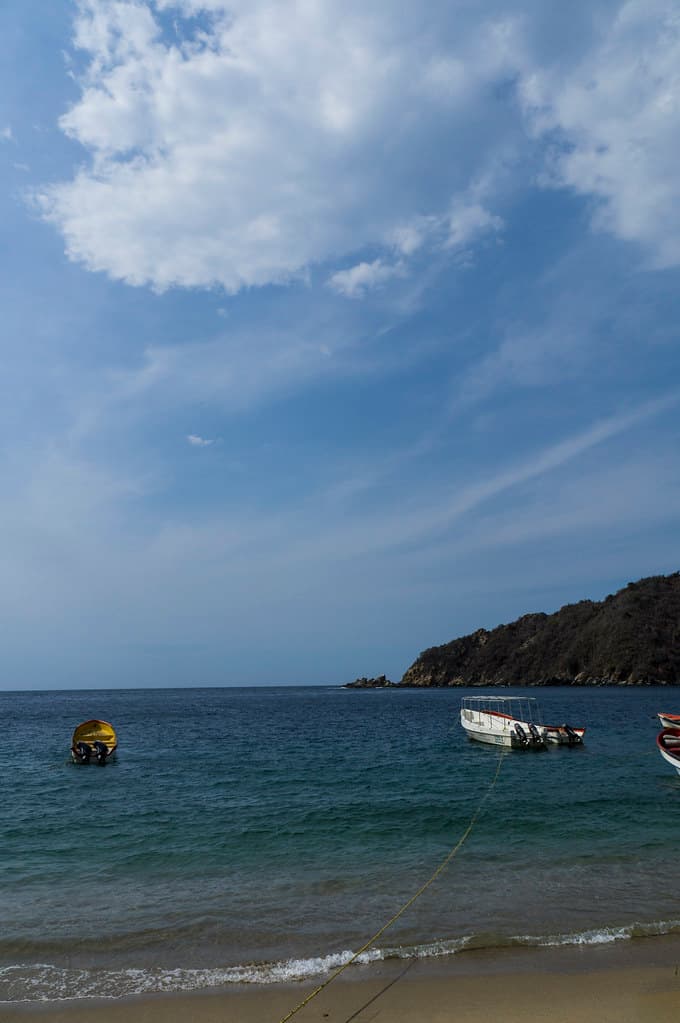
You'll notice the change immediately if you've come from Chuao or Cepe—Puerto Maya feels less hidden, more established, with permanent structures dotting the beach and a road (unpaved, barely) connecting the village to the mountain highway. The fishing community runs deeper here, evidenced by the number of boats pulled onto shore and the processing tables where morning catches get cleaned and sorted. Pelicans loiter hopefully, accustomed to scraps, while frigatebirds wheel overhead in lazy reconnaissance. The swimming offers honest Caribbean conditions without the dramatic protection of the eastern coves. Waves arrive with regularity, nothing massive but enough energy to require attention, the shore break creating that satisfying crash and foam that children love to jump through. The sand slopes steadily, giving swimmers a proper workout to reach deeper water, and the bottom stays relatively clear of rocks—this is a beach where you can bodyssurf without worrying about suddenly discovering submerged obstacles. Local families operate the beach restaurants with multi-generational efficiency: grandmother makes arepas, daughter grills fish, grandson ferries drinks. The menu is whatever's fresh plus rice, plantains, and salad, served at plastic tables under thatched shelters that have weathered enough storms to earn their structural quirks. By late afternoon, when the sun angles to strike the water sideways and ignite it gold, you'll understand why this beach serves as the transitional marker—east lies wilderness, west sprawls civilization, and Puerto Maya stands in the threshold between them.
Places, rentals, tours and events within walking and driving distance of Playa Puerto Maya.
Photos
Playa Puerto Maya is generally considered family-friendly with sandy beaches suitable for swimming. However, as with any coastal location, conditions vary with weather and season. Check local wave and current conditions before entering the water, especially with children. The beach's popularity means you'll likely find other visitors around, providing some reassurance. No formal lifeguard services are guaranteed at remote Venezuelan beaches, so adult supervision is essential. The sandy bottom and typically moderate waves make it more accessible for families than rockier alternatives.
Visit Playa Puerto Maya during Venezuela's dry season from December to April for the best weather conditions, with sunny skies and calmer seas ideal for sunbathing and swimming. This period offers the most reliable conditions for boat access and beach activities. While this is peak season, the beach's relatively remote location means it remains less crowded than urban beaches near Caracas. Early dry season (December-January) provides excellent conditions with fewer visitors. The beach is accessible year-round, but rainy season brings increased precipitation and rougher seas.
Playa Puerto Maya requires boat access from nearby coastal departure points along the La Guaira or Aragua coastline. The beach sits in a transition zone between these two states on Venezuela's central coast. Local boat operators in towns like Carayaca or neighboring areas provide transportation services. Journey times vary depending on your starting point but typically range from 20 minutes to an hour. Sea conditions affect travel, so trips are weather-dependent. Contact local tour operators or boat services in advance to arrange transportation and confirm departure schedules.
Playa Puerto Maya has limited on-site facilities, reflecting its remote coastal character. The small settlement of Puerto Maya may offer basic local food options, typically fresh seafood and traditional Venezuelan dishes, though availability varies. It's wise to bring provisions including food, drinks, and snacks for your beach day. Accommodation options in the immediate area are limited; most visitors base themselves in larger nearby towns like Choroní or coastal communities with more developed tourism infrastructure. Day trips are common for this beach.
Playa Puerto Maya holds significance as a transitional beach between the Aragua and La Guaira coastal regions, offering scenic beauty characteristic of both areas. Its sandy shores and dramatic mountain-backed setting provide excellent opportunities for sunbathing and photography. The beach represents the rugged, unspoiled coastline that Venezuela is known for, with clear waters and natural surroundings. Despite requiring boat access, it has gained recognition among those seeking authentic coastal experiences away from heavily developed tourist areas. Its location makes it a notable stop on coastal exploration routes.