Counting the waves…
Counting the waves…
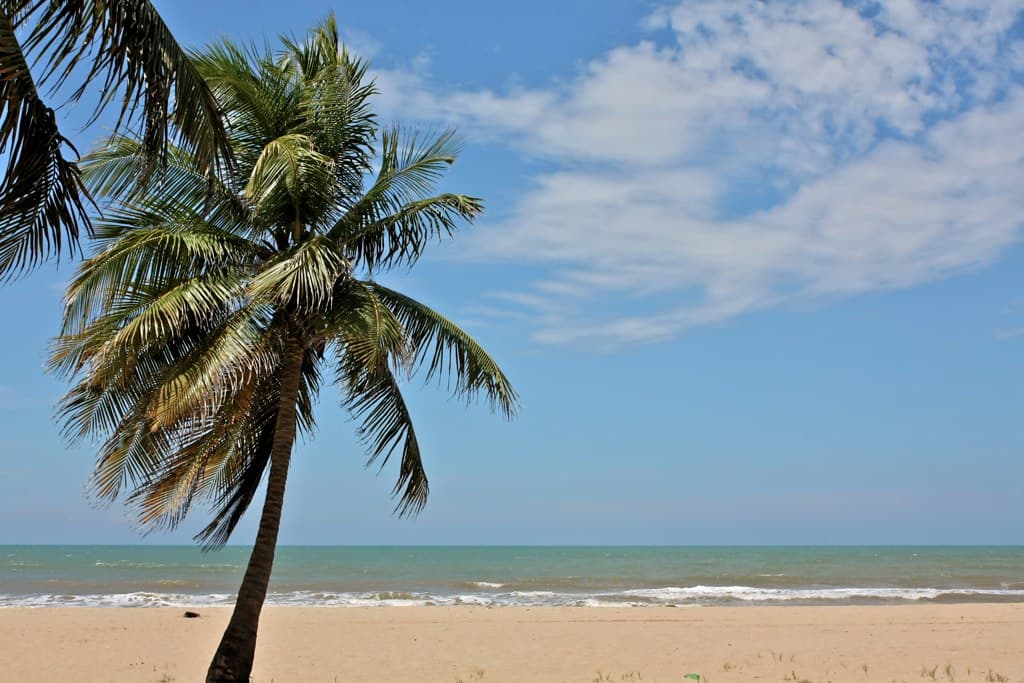
The boat ride from Tacarigua village takes twenty minutes across water that shifts from cloudy green near shore to pale jade over deeper channels. Your captain steers around mangrove islets where root systems create nurseries for juvenile snapper and tarpon. Pelicans perch on weathered channel markers, wooden stakes driven into the lagoon floor decades ago, now crowned with salt-bleached guano and the occasional osprey nest. The barrier beach itself runs for kilometers—a narrow ribbon of blonde sand separating the lagoon's calm from the open Caribbean's moderate surf. Coconut palms lean at improbable angles, survivors of storms that reshaped the beach profile. You'll find shade beneath thatched ramadas constructed by park rangers, though most visitors wade the lagoon side where knee-deep water stays bathtub-warm and reveals hermit crabs scuttling through turtle grass beds. Late afternoon brings the ibis migration—hundreds of scarlet birds returning to roosting islands in V-formations that fracture and reform. The sound builds from distant calls to a surrounding chorus as they settle into mangrove crowns. At the shoreline, fiddler crabs emerge by the thousands across mudflats, creating a moving carpet of burgundy and cream. The sinking sun turns the lagoon surface bronze, perfectly still except for the expanding rings where mullet rise to feed.
Places, rentals, tours and events within walking and driving distance of Playa Laguna de Tacarigua.
Photos
The lagoon-side location generally offers calmer, safer swimming conditions compared to open ocean beaches. Protected by the barrier island, the lagoon features gentler waters suitable for families and various skill levels. However, as part of a protected natural area, supervision services may be minimal. Water quality is typically good in the national park lagoon, but conditions vary with seasons and rainfall. Always assess current conditions, supervise children closely, and respect any posted guidelines for this ecologically sensitive protected area.
The best weather occurs during Venezuela's dry season from December to April, offering clear skies and calm conditions on the lagoon. This famous beach sees fewer crowds during weekdays and shoulder months. Early mornings provide excellent wildlife viewing opportunities in the protected lagoon ecosystem. Late afternoons offer spectacular sunset views with vibrant colors reflecting off the calm lagoon waters. The pleasant vibes are best experienced during optimal weather. Avoid heavy rainy periods when mosquitoes increase and water levels fluctuate significantly.
Access this protected lagoon coast through Tacarigua de la Laguna village in Miranda state, east of Caracas along the central Venezuelan coast. From major towns, follow the coastal highway to local roads leading to the village. As an essential entry point to Laguna de Tacarigua National Park, boat access is often required to fully experience the lagoon. Local operators in the village offer transportation across the water. Private vehicle or arranged tours work best, as public transportation is limited to this area.
Tacarigua de la Laguna village offers basic services including small local restaurants serving fresh fish and traditional Venezuelan dishes. Accommodation options typically include simple guesthouses or family-run posadas reflecting the area's authentic character. Some eco-tourism facilities may operate near the national park. For more extensive amenities, nearby Higuerote provides additional hotels and restaurants. Day visitors should bring supplies, though local vendors may offer refreshments. The scenic, family-friendly environment emphasizes natural beauty over commercial development.
This beach serves as the essential coastal entry point to Laguna de Tacarigua National Park, a protected wetland ecosystem of international importance. The lagoon shelters diverse wildlife including migratory birds, caimans, and numerous fish species. Mangrove forests fringe the shoreline, creating vital habitat and stunning scenic beauty. The famous location offers exceptional sunset views and peaceful vibes in a conservation setting. Visitors experience authentic Venezuelan coastal nature while supporting ecosystem protection. The combination of family-friendly lagoon swimming and significant ecological value makes it unique.