Counting the wavesβ¦
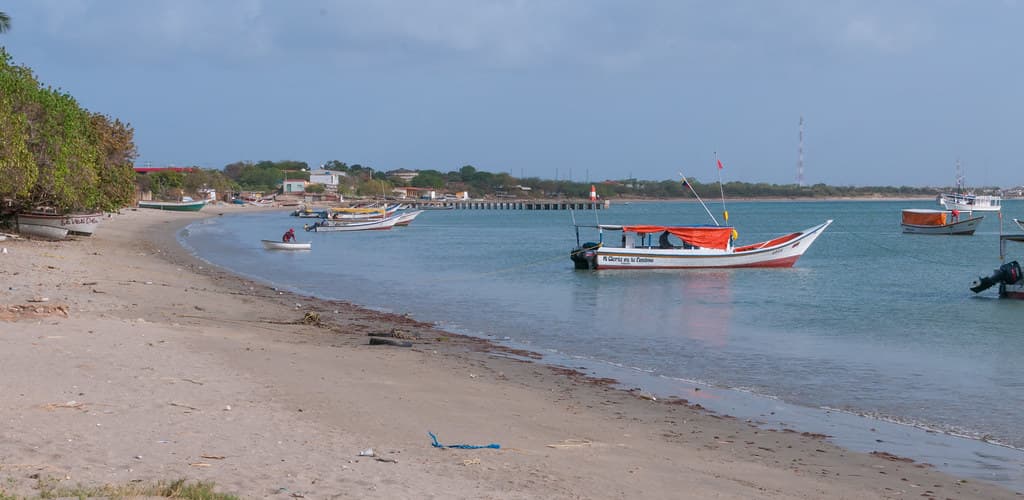
Playa La Carmela, nestled near Boca de Pozo, presents a distinctive coastal landscape on Margarita's western edge. What sets this pebble beach apart are the soft, rolling dunes that rise gently behind its shoreline. These dunes, cloaked in hardy coastal grasses, create a natural amphitheater, offering shelter and a sense of profound seclusion from the outside world. The beach itself is composed of smooth, rounded pebbles, polished by the constant action of the Caribbean Sea. The sound of the waves here is unique, a gentle clatter and rush as the water washes over the stones. The water is typically clear and inviting, perfect for a refreshing dip or a quiet wade, with the dunes providing a picturesque backdrop for relaxation. Access is a bit off the beaten path, requiring a vehicle capable of handling unpaved tracks, but the journey is well worth it for the tranquility found. Visit during the dry season for the most pleasant weather and to fully appreciate the interplay of sea, pebbles, and sand dunes. Playa La Carmela is a place to unwind, to listen to nature's symphony, and to appreciate a different facet of Margarita's diverse coastline.
Places, rentals, tours and events within walking and driving distance of Playa La Carmela.
Photos
Swimming at Playa La Carmela requires caution and good judgment. As a pebble beach in a remote location, entry into the water can be uncomfortable without water shoes, and the rocky bottom extends beneath the surface. The beach has no lifeguards or emergency services nearby, and help could take considerable time to arrive in an emergency. Swimming conditions vary with weather and season; calm days during the dry season generally offer the safest conditions. Be aware of currents and waves, which can be stronger on this exposed coastline. Only confident swimmers should venture into the water, and always swim with a companion for safety in this isolated environment.
The ideal time to visit Playa La Carmela is during Venezuela's dry season from December to April, when you'll encounter the best weather with minimal rainfall and calmer seas. The beach's dune-backed setting is particularly scenic during these months when the landscape shows its characteristic arid beauty. Early morning and late afternoon offer more comfortable temperatures and beautiful lighting on the dunes, as midday can be intensely hot on the Macanao Peninsula. Given its remote location, the beach remains uncrowded throughout the year, but weekdays provide even greater solitude. The less humid dry season also makes exploring the surrounding dune landscape more comfortable.
Reaching Playa La Carmela involves traveling to the Macanao Peninsula's Boca de Pozo area, which requires crossing from Margarita Island's more populated eastern side via the La Restinga connecting strip. You'll need a rental car or private transportation, as public transit to this remote location is impractical or unavailable. Roads in the area may be unpaved or in poor condition, so a vehicle with good clearance is recommended. Ensure you have offline maps or GPS coordinates, as signage is minimal and cellular service may be unreliable. Fill up on fuel before heading to the peninsula, as gas stations are scarce in this sparsely populated region.
Playa La Carmela offers no tourist facilities, restaurants, or accommodations. This is an undeveloped, hidden beach where you must be completely self-sufficient. The nearby Boca de Pozo area is a small settlement with very limited infrastructure, not a tourist center. There are no vendors, restrooms, shade structures, or services at the beach itself. Visitors should bring all necessary provisions including drinking water, food, sun protection, and any beach gear they require. Most travelers stay in hotels on the main part of Margarita Island and visit La Carmela as a day trip. The lack of development preserves the beach's pristine, natural character that appeals to adventure-seekers.
Playa La Carmela's distinctive dune-backed landscape sets it apart from other beaches in the region. The sand dunes create a striking natural backdrop against the sea, offering a desert-meets-ocean aesthetic characteristic of the Macanao Peninsula's arid environment. These dunes provide natural windbreaks and create dramatic shadows and textures, particularly beautiful during golden hour. The combination of pebble beach, rolling dunes, and turquoise water offers unique photographic opportunities and a sense of being in an untouched, wild landscape. For geology enthusiasts and nature photographers, the dune formations showcase natural processes at work. This setting appeals to visitors seeking landscapes beyond the typical palm-fringed Caribbean beach stereotype.