
Counting the waves…
Counting the waves…
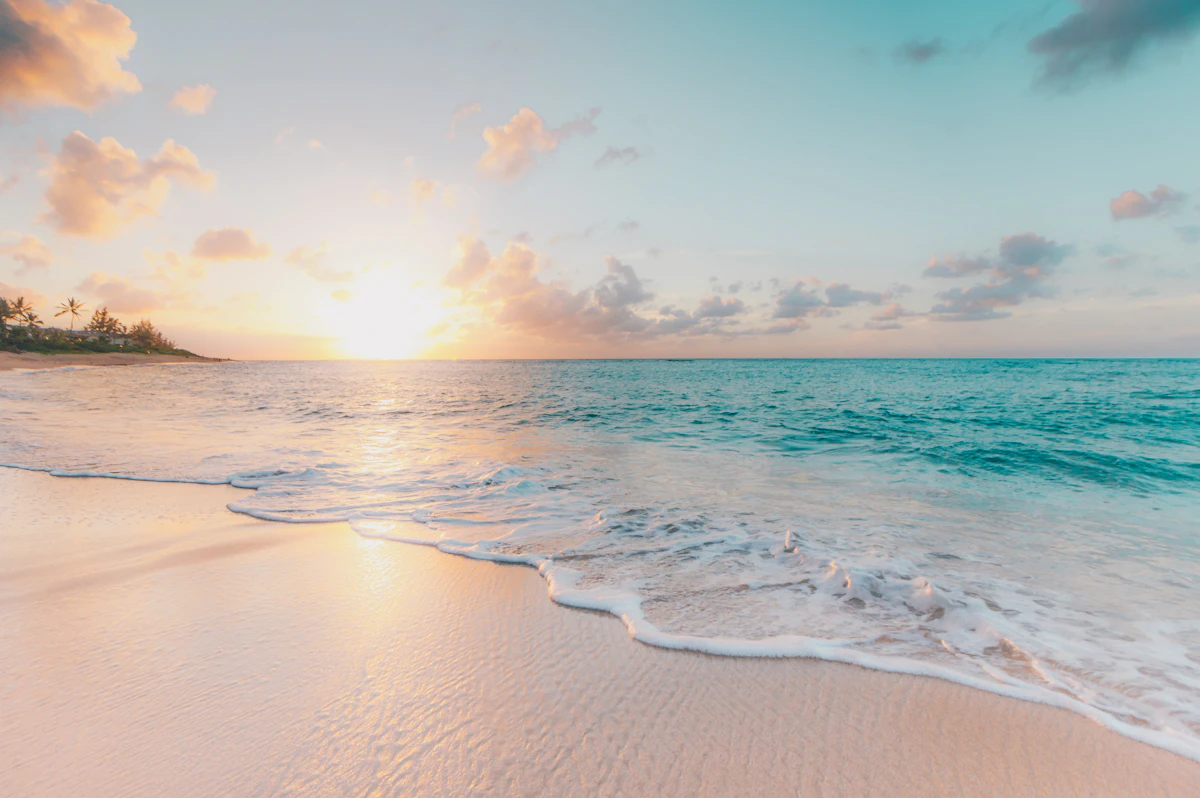
Playa Nueva Cádiz on Cubagua Island is a destination that transcends the typical beach experience. Here, the soft, inviting sand and the gentle lapping of the Caribbean Sea are merely the foreground to a much richer narrative. Along this scenic coastline, the evocative stone remnants of Nueva Cádiz, Venezuela's pioneering city, rise from the earth, offering a tangible link to a bygone era. Imagine swimming in the warm, clear waters, then emerging to explore the archaeological fragments of a 16th-century settlement. The contrast between the vibrant natural beauty and the silent, weathered stones is profound. You can wander among the foundations of what was once a bustling pearl-fishing hub, feeling the weight of centuries underfoot, all while the sea breeze carries the scent of salt and history. This beach isn't just for sunbathing; it's an open-air classroom, a photographer's dream, and a history buff's delight. The unique juxtaposition of pristine beach and ancient ruins makes Playa Nueva Cádiz an irreplaceable stop on any Venezuelan itinerary. It’s a place where every grain of sand and every crumbling wall tells a story, inviting you to be part of its enduring legacy.
Places, rentals, tours and events within walking and driving distance of Playa Nueva Cádiz.
Photos
Swimming at Playa Nueva Cádiz is generally safe in calm conditions, though the beach lacks lifeguards and safety infrastructure due to its remote location on uninhabited Cubagua Island. Standard ocean safety precautions apply: be aware of currents, avoid swimming alone, and monitor weather conditions. The area near the historic ruins may have submerged debris, so exercise caution when entering the water. Emergency services are not readily available, requiring boat transport back to Margarita Island. Always inform someone of your plans and bring adequate safety equipment on your boat trip.
The optimal time to visit Playa Nueva Cádiz is during Venezuela's dry season from December through April, offering the best weather and sea conditions for boat access. This period provides clearer skies for viewing the historic ruins and exploring the coastline. Weekdays typically see fewer visitors than weekends. Morning visits offer cooler temperatures and better light for photography of the ruins. Since Cubagua Island is uninhabited and exposed, good weather is crucial for both safe boat transport and comfortable exploration of the archaeological site and beach area.
Access to Playa Nueva Cádiz requires boat transportation from nearby islands, typically Margarita Island. Visitors can arrange trips through local tour operators or fishermen departing from ports like Punta de Piedras or Porlamar. The journey takes approximately 30-60 minutes depending on sea conditions and departure point. Since Cubagua has no regular ferry service or permanent population, advance arrangements for both outbound and return transport are essential. Some organized tours specifically visit the Nueva Cádiz ruins site, combining historical exploration with beach time. Always confirm pickup times with your boat operator.
Playa Nueva Cádiz has no facilities, restaurants, or services, as it's located on uninhabited Cubagua Island. Visitors must be completely self-sufficient, bringing all food, water, sun protection, and other necessities. The beach is typically visited as a day trip from Margarita Island, where full accommodation and dining are available. Pack adequate supplies including shade equipment, as natural shelter is limited. Some tour packages may include meals, but confirm in advance. All waste must be carried out to preserve the historic site and natural environment. Plan accordingly for a primitive beach experience.
Playa Nueva Cádiz is named for the ruins of Nueva Cádiz, one of the first Spanish settlements in South America, established in 1500 for pearl fishing. The town was abandoned after a devastating 1541 earthquake and subsequent hurricane. Today, remnants of walls, foundations, and structures are visible along the coastline, offering a unique combination of beach and archaeological experience. The ruins provide historical context to the island's colonial past and make this beach distinct from others in the region. Visitors can explore these vestiges while enjoying the coastal scenery, though deterioration continues naturally.