Counting the waves…
Counting the waves…
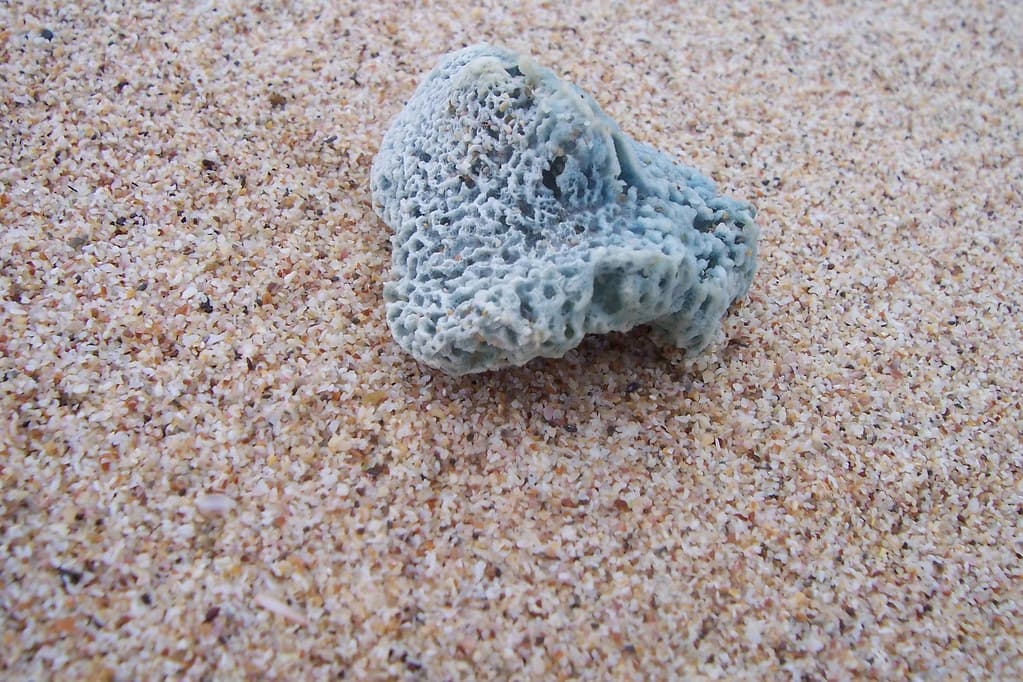
Playa Guayacancito, a small and unassuming pebble beach, offers a genuine taste of local life on Margarita's western coast. Unlike the grander, more tourist-centric beaches, this shoreline feels like a well-kept secret, a place where the rhythm of the sea dictates the day. The beach is composed of smooth, dark pebbles, creating a unique texture and sound as the waves gently roll in. Here, you'll often see local fishermen tending to their boats or nets, adding to the authentic atmosphere. The water is typically calm and clear, inviting a refreshing dip or a quiet snorkel close to shore. The surrounding village of Guayacancito provides a backdrop of simple, colorful homes, and perhaps a small, unassuming eatery offering fresh catch of the day. Access is straightforward, leading you directly into the heart of this small community. Visiting during the less crowded times allows for a deeper appreciation of its quiet charm and the genuine warmth of its residents. Playa Guayacancito isn't about grand amenities; it's about experiencing the humble, beautiful everyday life of a Caribbean fishing village, with the sea as its constant companion.
Places, rentals, tours and events within walking and driving distance of Playa Guayacancito.
Photos
Playa Guayacancito is a small local beach where swimming conditions vary depending on weather and season. Being a pebble beach, entry can be uncomfortable on bare feet, so water shoes are advisable. As a small, remote shoreline without lifeguards or emergency services, swimmers should exercise caution and assess conditions before entering the water. The beach's exposure to open sea means waves and currents can be present, particularly during windier periods. Only swim when conditions appear calm and stay relatively close to shore. Always swim with a companion, and be aware that help may take considerable time to arrive in this isolated location on the Macanao Peninsula.
The best time to visit Playa Guayacancito is during the dry season from December through April, when weather conditions are most favorable with less rainfall and calmer seas. The small size of this beach makes it particularly pleasant during less crowded periods, which fortunately describes most times given its remote location. Early morning or late afternoon visits are recommended to avoid the intense midday heat typical of the Macanao Peninsula. Weekdays will be quieter than weekends when local visitors might be more numerous. The dry season also offers the best conditions for exploring the surrounding area and appreciating the local character of this hidden shoreline.
To reach Playa Guayacancito, you'll need to travel to the Macanao Peninsula on Margarita Island's western side, specifically to the Guayacancito area. This requires crossing from the island's main eastern section via the La Restinga isthmus. A rental car or taxi is necessary, as public transportation to this remote location is extremely limited or nonexistent. Roads may be unpaved or poorly maintained as you approach the beach, so a vehicle with adequate clearance is beneficial. Bring offline maps or GPS coordinates, ensure you have sufficient fuel before heading out, and be prepared for limited or no cell phone coverage in the area.
Playa Guayacancito is a small local beach with minimal to no tourist facilities. While the nearby Guayacancito settlement may have basic local shops or simple eateries catering to residents, don't expect tourist-oriented restaurants or services. There are no facilities directly at the beach such as restrooms, showers, or equipment rentals. It's essential to bring your own food, plenty of drinking water, and all supplies you'll need for your visit. Most visitors make this a day trip from accommodations on Margarita Island's more developed eastern coast. The local character means you'll experience authentic Venezuelan coastal life rather than commercialized tourism.
Playa Guayacancito embodies the authentic local character of Macanao Peninsula coastal communities. As a small shoreline used primarily by residents of the Guayacancito area, it offers visitors a glimpse into everyday Venezuelan island life away from tourist resorts. The beach's modest size and pebble composition reflect the natural, unmodified coastline typical of this region. You may encounter local fishermen or families enjoying their neighborhood beach, providing cultural interaction opportunities. The lack of commercial development means the setting remains genuine and unpretentious. This beach appeals to travelers seeking to experience how local communities actually live along Venezuela's coast, rather than experiencing manufactured tourist attractions.