

Counting the waves…
Counting the waves…
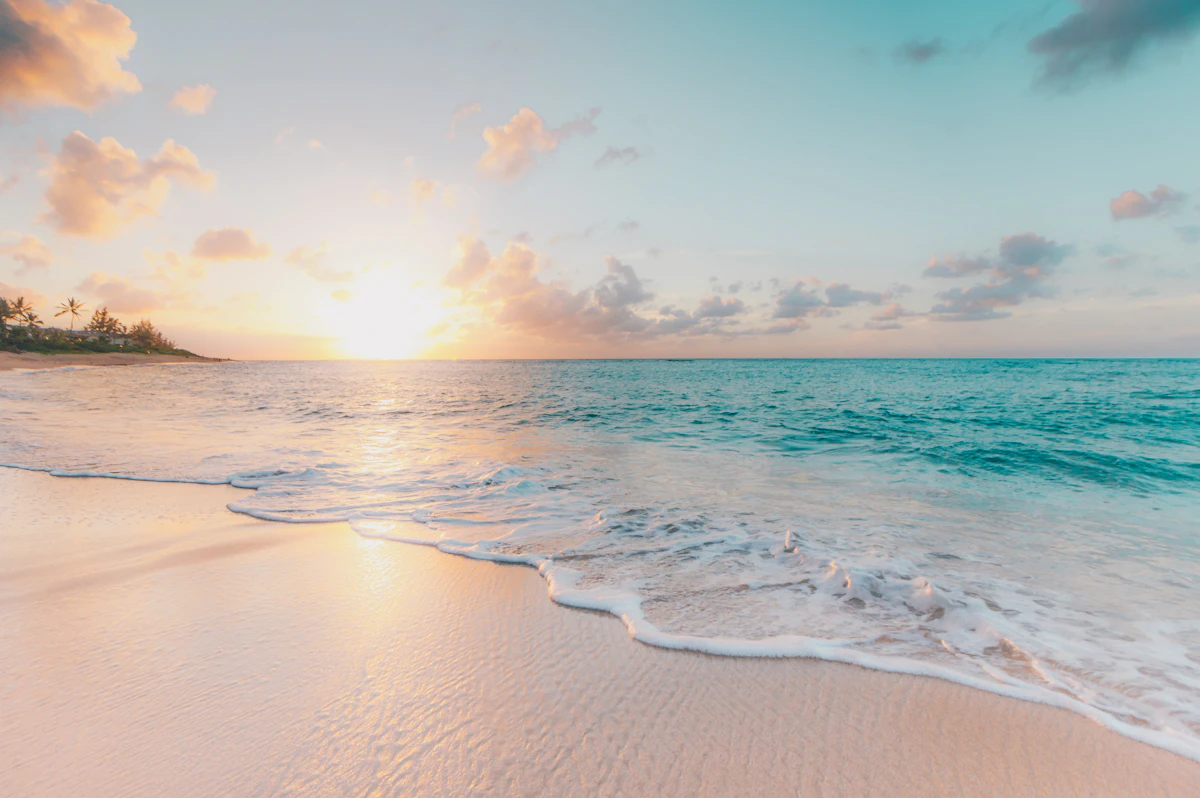
Salinas de Araya exists at the intersection of industry and nature, both claiming the shoreline with equal determination. The beach sand gleams almost white, mixed with salt crystals that crunch underfoot and catch light like scattered diamonds. Behind you, the ruins of Venezuela's oldest salt operation—colonial buildings slowly dissolving back into the minerals they processed—create shadows that shift across the sand as the sun moves. The water here is shockingly vivid, a spectrum of blues and greens that photographers struggle to capture accurately. You wade in over a bottom that alternates between smooth sand and rough salt deposits, the water warm and buoyant. The salinity is notably higher than typical seawater—your skin emerges feeling tight and preserved, like you've been lightly brined. Pelicans fish offshore, diving into water so clear you can track their underwater trajectories. Sunset transforms the scene into something painterly and surreal. The salt flats behind the beach turn pink, reflecting the sky like a vast mirror. The water becomes molten copper, then violet, then an inky purple that makes the white sand glow by contrast. The old salt warehouses are reduced to silhouettes, geometric shapes against the gradient sky. You understand why this beach appears on Instagram despite its remoteness—some landscapes photograph themselves, demanding to be shared even when words fail.
Places, rentals, tours and events within walking and driving distance of Playa Salinas de Araya.
Photos
Swimming conditions at Playa Salinas de Araya depend on daily weather and wave patterns along this open coastal stretch. The beach's proximity to salt flats may influence water characteristics, potentially affecting salinity or temperature in near-shore areas. Sandy beaches generally provide easier, safer entry than rocky shores, suitable for moderate swimmers. However, being omitted from generic beach lists might indicate less consistent swimming conditions or limited lifeguard presence. Always assess current conditions before entering, watch for unusual currents, and swim during daylight hours. The scenic nature suggests the beach appeals more for its visual beauty than necessarily optimal swimming. Exercise standard ocean safety precautions.
The ideal visiting period for Playa Salinas de Araya is during Venezuela's dry season, typically December through April, when weather is most favorable for photography and beach enjoyment. This timeframe offers the clearest skies for capturing Instagrammable shots of the unique salt-flat-adjacent landscape. The beach sees fewer crowds year-round due to its location off standard tourist circuits. Sunset hours provide particularly dramatic lighting for photographs, with the salt flats creating distinctive visual elements. The combination of best weather and less crowded conditions makes the dry season optimal, though the beach's hidden nature ensures relative solitude throughout the year for those seeking unique coastal scenery.
Playa Salinas de Araya is located in Araya town on the Araya Peninsula. From Cumaná, travelers can take a ferry across the bay directly to Araya or drive around the Gulf of Cariaco. Local transportation serves the route to Araya. Once there, head toward the famous Araya salt flats; the beach is adjacent to this landmark. The salt production area is a known feature, making navigation easier. Local residents can provide specific directions to the shoreline near the salinas. Ferry schedules from Cumaná should be verified in advance. The historic Araya fortress nearby also serves as a reference point for orientation in the area.
Araya offers modest tourist infrastructure due to its historic salt flats and fortress, providing more services than smaller peninsula villages. Local restaurants serve Venezuelan coastal cuisine with emphasis on fresh seafood. Accommodations include basic hotels, posadas, and guesthouses at budget-friendly rates. While not luxurious, these options adequately serve visitors exploring the area's unique salt flat landscape and coastal scenery. The town caters to Venezuelan domestic tourists and history enthusiasts visiting the colonial fortress. Dining options may be limited in variety but offer authentic local flavors. For extended photography sessions or sunset watching, bringing snacks and water is advisable.
Playa Salinas de Araya's extraordinary feature is its position adjacent to the historic Araya salt flats, creating a unique coastal landscape unlike typical Caribbean beaches. The juxtaposition of beach, sea, and salt production areas offers exceptional photographic opportunities with stark white salt expanses contrasting against blue waters. This setting is distinctly Instagrammable with unusual visual elements rarely found at conventional beaches. The area's industrial-natural hybrid landscape tells stories of centuries-old salt harvesting traditions. Its omission from generic beach guides means fewer crowds despite scenic value. Combined with sunset views, the salt-flat context creates a culturally and visually distinctive beach experience appealing to photographers and travelers seeking uncommon coastal destinations.