
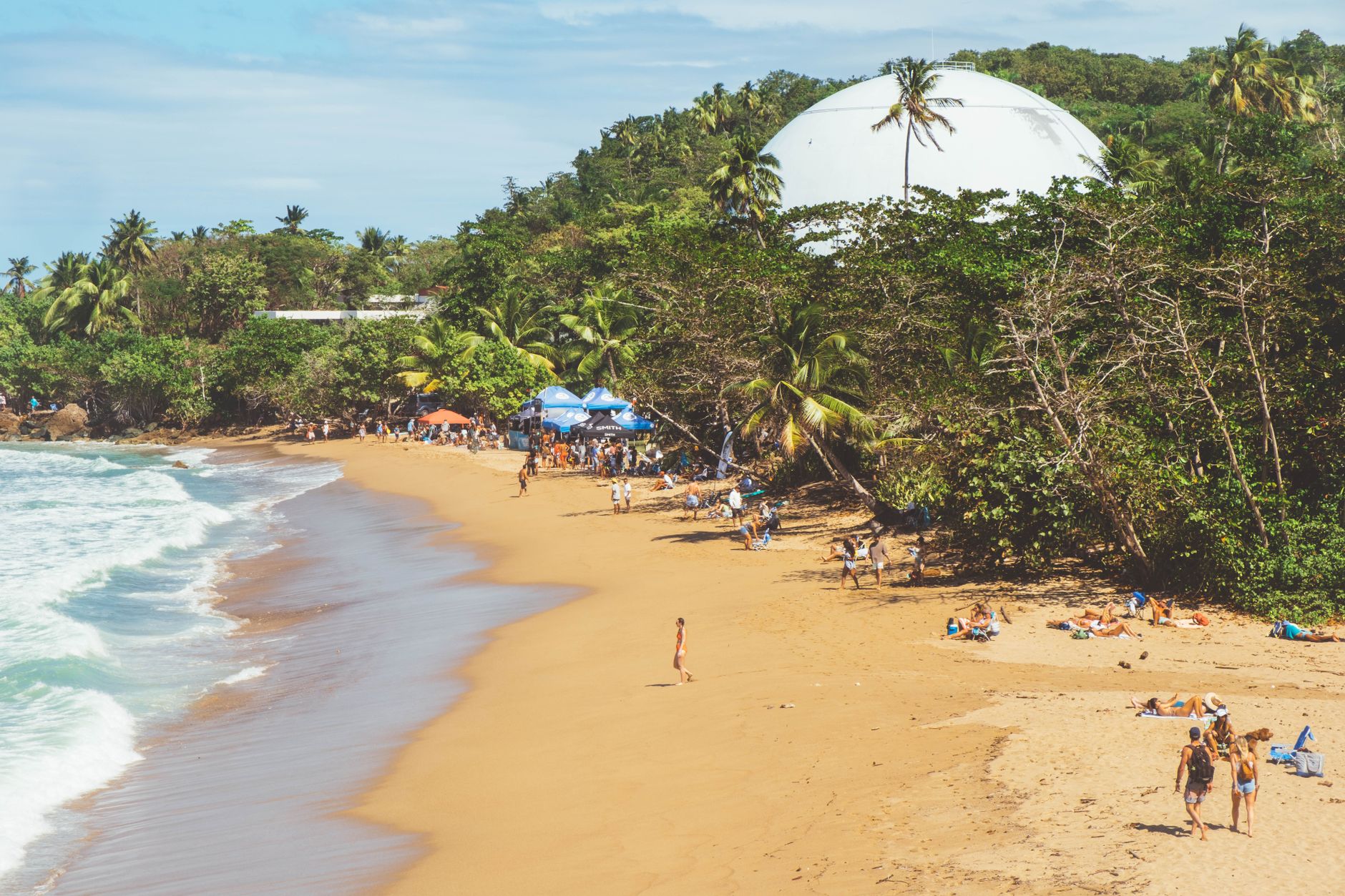
Counting the waves…
Counting the waves…
The boat slips between walls of mangrove into water so still it reflects clouds with photographic precision. Ahead, the channel opens into a lagoon-like basin where a curve of sand appears beneath overhanging branches, pale and soft against the dark water. You step from boat to shore, your feet sinking into sand that holds both warmth and moisture from the day's tidal exchange. The water here is neither fully salt nor entirely fresh—you'll taste both ocean and river on your lips after swimming. The lagoon's surface sits undisturbed except where fish rise to take insects hovering above the water. Behind the sand, the forest grows dense and impenetrable, a tangle of mangrove giving way to inland jungle. Bird calls layer over each other—tanagers, parrots, oropendolas—creating a soundtrack that rises and falls with mysterious rhythm. As the sun drops toward the western horizon, the lagoon transforms. The water catches the copper-gold light, turning the entire basin into a mirror of fire. You'll float on your back in water gone amber, watching the sky deepen from blue to violet to charcoal. Your boat captain will light a small lamp as darkness comes complete, the beam creating a cone of light that attracts flying fish and bats swooping low across the surface. The return journey threads through channels gone black, navigated by feel and memory more than sight.
Places, rentals, tours and events within walking and driving distance of Playa Caño Ajíes.
Photos
Swimming in this lagoon-channel environment is generally calmer than open ocean, but requires awareness of tidal currents flowing through the mangrove system. Water conditions vary with tides and can include unexpected currents in narrow channels. The lagoon setting provides some protection from waves, making it potentially suitable for calm-water swimming when conditions are favorable. However, water visibility is often limited due to sediment and organic matter from the mangroves. The remote location has no safety services, so always swim with companions and check conditions with local guides before entering the water.
December through April offers the best weather with lower rainfall, better boat access conditions, and reduced mosquito activity in the mangrove areas. These dry season months also provide clearer skies for sunset photography, which is particularly beautiful in this western-facing lagoon setting. Early morning hours are excellent for wildlife observation when birds and other mangrove creatures are most active. Less crowded periods throughout the year are virtually guaranteed at this hidden location. Avoid heavy rainy season months when water levels fluctuate significantly and navigation becomes more challenging.
This beach requires boat access through the San Juan River mangrove delta system, as no roads reach this remote lagoon location. Arrange transportation from El Pilar or nearby settlements where local fishermen and guides operate boats familiar with the complex channel networks. The journey involves navigating narrow mangrove waterways and may vary in duration depending on tides and water levels. Hiring experienced local guides is essential for safe navigation through the maze-like delta channels. Plan for this to be a dedicated excursion requiring advance arrangements rather than casual access.
This extremely remote lagoon beach within the mangrove system has absolutely no on-site facilities or nearby infrastructure. El Pilar, the nearest settlement, offers only very basic services with possible simple guesthouses and local food options. Most visitors must bring all supplies including food, drinking water, and sun protection for day trips into the delta. Camping is theoretically possible with proper equipment and local permission, but facilities are non-existent. For any substantial accommodations or dining, stay in larger Sucre coastal towns and treat this as a wilderness day excursion.
This beach offers an immersive mangrove lagoon ecosystem experience completely different from typical coastal beaches. The quiet channel setting within the San Juan mangrove system provides exceptional opportunities for observing specialized mangrove wildlife including wading birds, crabs, and unique plant adaptations. The combination of lagoon waters and sunset views creates particularly scenic conditions for photography and peaceful contemplation. The extreme remoteness and boat-only access guarantee solitude and pristine natural conditions. The ecological significance of the mangrove environment makes this location valuable for nature enthusiasts rather than traditional beach activities.