
Counting the waves…
Counting the waves…

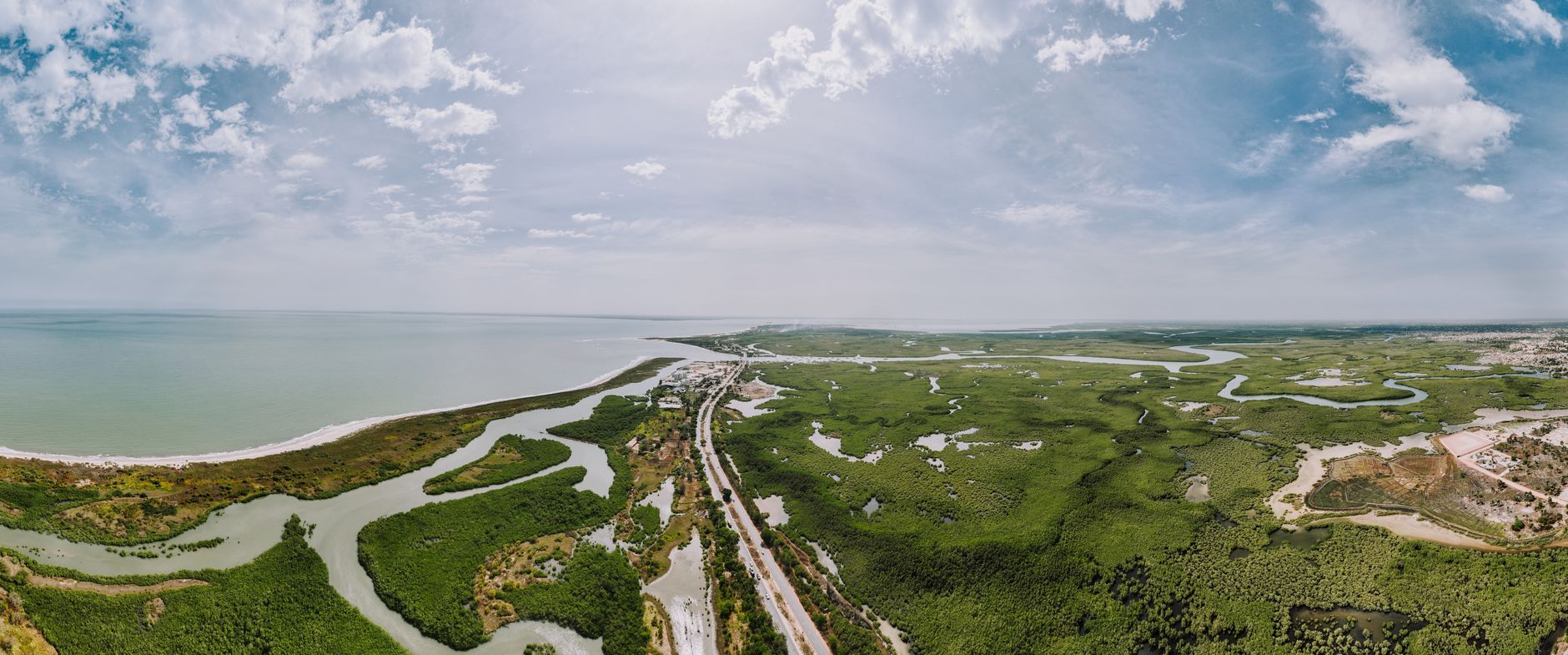
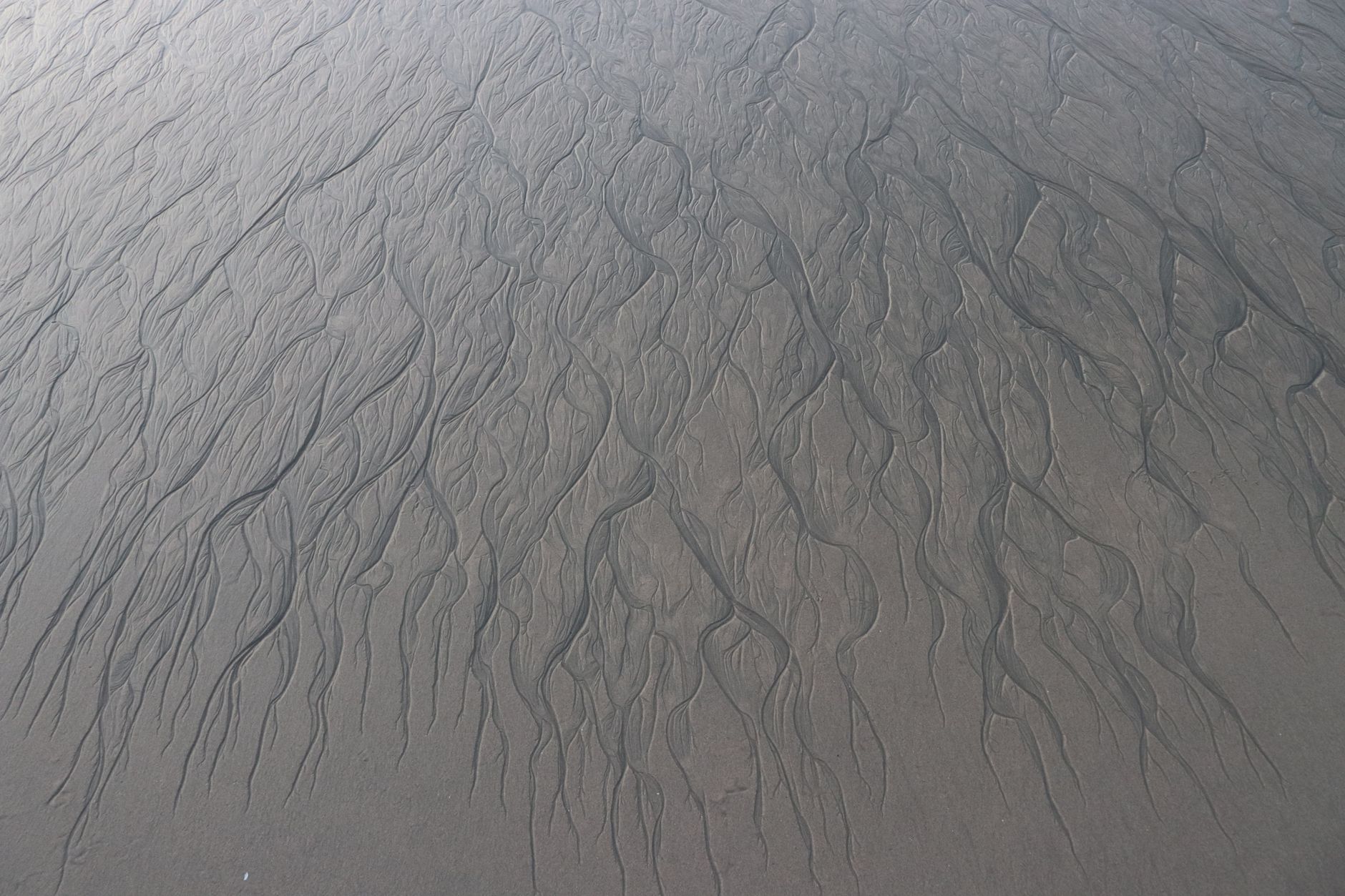
This is geography in motion, landscape as verb rather than noun. The San Juan Delta spreads its fingers here, dozens of channels braiding through mangrove islands before finally exhausting themselves into the Caribbean. The beach exists wherever the current deposits enough sediment to rise above the waterline—sometimes a broad crescent of sand, sometimes just a narrow ridge barely wider than your towel. You can wade a hundred yards offshore at low tide and still be knee-deep, the bottom composed of silt so fine it clouds the water with every step. Mangroves define everything. They island the channels, arch over the narrower waterways, send roots questing into the tidal zone like grasping fingers. At high tide, they appear to float, their trunks submerged, their canopies hovering over dark water. Birds use them as launch pads and landing strips—herons, ibis, egrets, kingfishers. The air smells of decomposition and salt, that peculiar delta perfume of life constantly recycling itself. Crabs patrol the waterline, their tracks writing cursive across the wet sand. Sunset here is operatic. The channels become ribbons of copper and rose, the mangroves silhouette themselves against improbable colors, and the water—part river, part ocean—reflects it all back doubled and shimmering. You need a boat to get here, and you need a boatman who knows the channels, who can read the water and navigate by landmarks invisible to you. The beach will be different when you return tomorrow. That's the point. That's the gift.
Places, rentals, tours and events within walking and driving distance of Playa Delta del San Juan.
Photos
Swimming at Playa Delta del San Juan requires careful consideration due to its unique location where river, channels, and coast converge. Currents can be complex and unpredictable, mixing freshwater from the San Juan River with tidal ocean flows. Water clarity varies significantly depending on river discharge and tides. This beach is better suited for nature observation and wading than swimming. If you do enter the water, stay close to shore and consult local guides about current conditions. The mixing of ecosystems creates dynamic conditions that demand respect and caution.
The optimal time to visit Playa Delta del San Juan is during the dry season from December through April, when you'll enjoy the best weather and fewer crowds. Lower river levels during this period create more defined channels and beaches, while reduced rainfall means better access and visibility. Sunset visits are particularly rewarding given the beach's scenic reputation. Wildlife viewing is often better in the dry season when animals concentrate around water sources. Plan visits during mid-week for maximum solitude at this hidden lagoon beach.
Reaching Playa Delta del San Juan requires boat access through the mangrove channels of the San Juan River delta. First, travel to El Pilar by road from other areas of Sucre state. From El Pilar, you must arrange boat transportation with local operators familiar with the complex delta channel system. The journey offers scenic views through mangroves but requires an experienced guide due to the intricate network of waterways. Travel time varies based on water levels, tides, and your exact departure point within the delta region.
Playa Delta del San Juan is a remote location without on-site facilities, so plan accordingly. El Pilar serves as the base for visiting this beach, offering basic accommodations in local guesthouses and small hotels. Restaurants in El Pilar serve traditional Venezuelan cuisine with emphasis on fresh fish and local ingredients. Most visitors treat this as a day excursion, bringing food and drinks for a beach picnic. Coordinate with your boat operator about meal arrangements, as some may include simple lunches in their guided tour packages.
Playa Delta del San Juan is exceptional as the core mangrove-delta shoreline where the San Juan River system meets the Caribbean Sea. This convergence creates a unique transitional ecosystem with exceptional biodiversity rarely found at typical beaches. The lagoon setting offers calm waters contrasting with ocean waves nearby, while mangrove forests provide habitat for numerous bird species and marine life. Sunset views across the delta channels are spectacular. This beach perfectly demonstrates how river deltas shape coastlines, offering educational value alongside scenic beauty for nature-focused travelers.