Counting the waves…
Counting the waves…
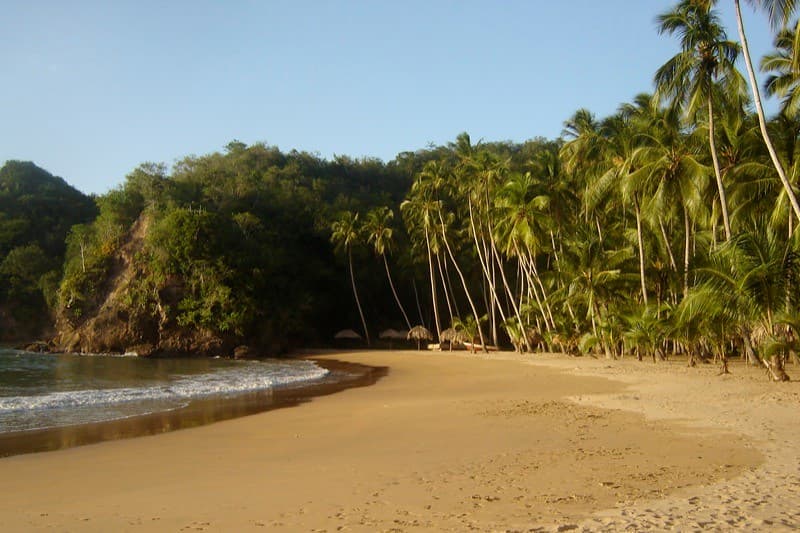
Punta Guacarapo is all edges and angles. The rocks here aren't smoothed beach cobbles—they're angular chunks of dark stone that fracture the gulf swells into white spray. You'll need to watch your footing on the algae-slicked surfaces, choosing your route across the point with the same attention you'd give a boulder problem. At low tide, pools appear between the rocks, each one a miniature aquarium: hermit crabs scuttling between anemones, juvenile damselfish hovering over urchins, the occasional octopus arm visible in a crevice. The point creates its own weather. Wind accelerates around the headland, carrying salt spray that leaves your skin sticky. Waves hit the rocks with percussive irregularity—not the metronomic crash of a beach break but syncopated slaps and booms as swells find channels and slots. Egrets work the surge zones, timing their strikes for when waves recede and expose stranded baitfish. The rocks themselves hold heat through afternoon, releasing it slowly as evening arrives. Sunset turns the whole point into Instagram's dream. The rough stone texture catches side-light, and the surge channels fill with reflected orange and magenta. You'll see why photographers haul tripods out here, timing exposures to blur the water into silk while keeping rocks sharp. The view extends across the gulf to the Araya Peninsula, mountains going purple against the dimming sky.
Places, rentals, tours and events within walking and driving distance of Playa Punta Guacarapo.
Photos
Swimming at Playa Punta Guacarapo requires caution due to its rocky terrain and potentially unpredictable currents around the point. The rocky bottom and shoreline make water entry challenging, and wave action can vary depending on weather conditions. This beach is better suited for experienced swimmers who are comfortable navigating rocky coastlines. Always assess conditions before entering the water, avoid swimming alone, and be mindful of sharp rocks both at the surface and underwater. Consider wearing protective water shoes for better footing.
The best time to visit Playa Punta Guacarapo is during Venezuela's dry season, typically from December through April, when you'll enjoy optimal weather conditions and fewer crowds. This period offers clearer skies, calmer seas, and better visibility for photography. The beach is particularly stunning at sunset, so plan your visit for late afternoon to capture dramatic coastal views. Visiting during weekdays rather than weekends will ensure even fewer crowds at this hidden gem along the Gulf of Cariaco.
Playa Punta Guacarapo is located near the town of Guacarapo in Sucre state, along the inner Gulf of Cariaco coast. Access typically requires traveling to the town of Guacarapo, then following local roads toward the coastal point. Given its hidden nature, you may need to ask locals for specific directions. A vehicle is recommended as public transportation to remote beaches in this area can be limited. Roads may be unpaved in sections, so plan accordingly and consider visiting with a local guide familiar with the area.
As a hidden, rocky point beach, Playa Punta Guacarapo has very limited or no commercial facilities directly on-site. You'll likely need to arrange food and accommodation in the nearby town of Guacarapo or in larger towns like Cariaco. Bring your own food, water, and beach supplies for the day. Small local eateries or family-run restaurants may be found in Guacarapo village serving traditional Venezuelan coastal cuisine. For overnight stays, consider lodging options in Cariaco or other Gulf of Cariaco communities.
Playa Punta Guacarapo stands out as a dramatic rocky point extending into the Gulf of Cariaco, offering striking geological formations and exceptional sunset views. Unlike sandy beaches, its rocky terrain creates unique photo opportunities and scenic vistas, making it particularly Instagrammable. The beach's hidden location along the inner gulf coast ensures a tranquil, uncrowded experience. The point formation provides interesting perspectives of the coastline from different angles, and the interplay of rocks, water, and light at sunset creates memorable natural scenery for photographers and nature lovers.