Counting the waves…
Counting the waves…
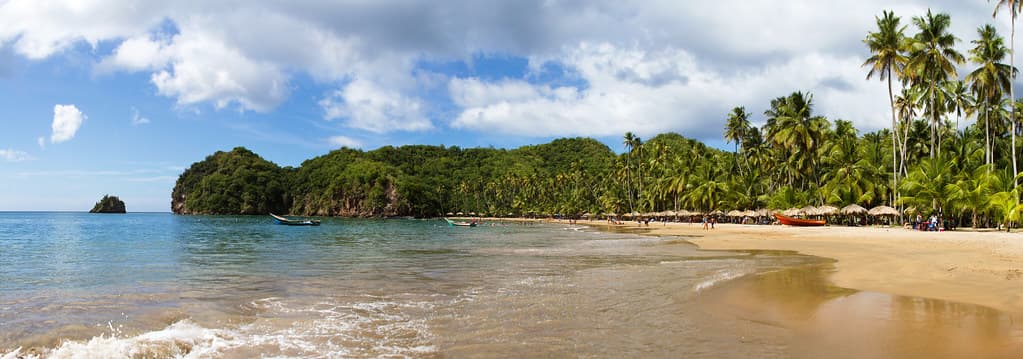
Getting here requires asking fishermen in Río Caribe for a boat ride or following a faint trail that fights through thorny acacia and agave. The effort filters out casual visitors, leaving the cove empty more often than not. When you push through the final screen of vegetation, the scene that opens before you seems impossibly small and perfect—a crescent of sand flanked by boulders draped in green vegetation, water so calm it barely qualifies as surf. The beach collects unusual shells carried by littoral currents: purple-mouthed conch fragments, sand dollars bleached white, the spiraled architecture of murex snails. Shade appears in the late afternoon when the western headland blocks the sun, and the shallow water remains warm enough for extended floating. You'll likely see only the occasional fishing boat passing the cove's entrance and perhaps a local couple who made the same calculation about solitude and effort. The surrounding forest presses close—gumbo-limbo trees with their peeling copper bark, strangler figs wrapped around host trunks, bromeliads catching rainwater in their centers. Land crabs scuttle across the sand at dusk, and if you time your visit right, leatherback turtles nest here during season, dragging their massive bodies above the tide line to excavate chambers for their eggs.
Places, rentals, tours and events within walking and driving distance of Playa Uva.
Photos
Playa Uva is generally considered safe for swimming due to its sheltered cove setting, which provides natural protection from strong currents and large waves. The calm waters make it suitable for most swimmers. However, as with any beach, conditions can vary with weather and tides. Always assess the water conditions upon arrival, avoid swimming alone, and stay within your comfort zone. There are typically no lifeguards on duty, so exercise personal caution and supervise children closely at all times.
The best time to visit Playa Uva is during the dry season, typically from December to April, when you'll encounter sunny weather and calm seas. Since this beach is tagged for fewer crowds, visiting during weekdays or shoulder months like late November or early May can offer an even more peaceful experience. The small cove setting means it rarely feels overcrowded, making it ideal for couples seeking privacy. Early mornings provide the most tranquil atmosphere and often the best light for photography.
Playa Uva is accessible from Río Caribe, though reaching this hidden cove typically requires local knowledge. The journey usually involves a combination of road travel and possibly a short hike or boat ride, depending on current access conditions. It's advisable to hire a local guide or ask for directions in Río Caribe town, as the beach is not well-signposted. A 4x4 vehicle may be necessary depending on road conditions. Many visitors arrange transportation through their accommodation or local tour operators who know the area well.
Playa Uva is a small, hidden cove with minimal development directly on-site. You should not expect restaurants or lodging at the beach itself. The nearest accommodation and dining options are found in Río Caribe, a charming coastal town with various guesthouses, small hotels, and local eateries serving fresh seafood and Venezuelan cuisine. It's highly recommended to bring your own food, water, and supplies for a day at the beach. Pack out all trash to preserve this pristine location.
Playa Uva's defining feature is its intimate cove setting, offering a secluded, romantic atmosphere perfect for couples seeking privacy away from tourist crowds. The small size creates a sense of discovery and exclusivity that larger beaches cannot match. The sheltered nature of the cove provides calm, swimmable waters and a peaceful environment ideal for relaxation. Being relatively hidden and less accessible than other beaches in the Paria Peninsula, it retains an unspoiled, natural character that makes visitors feel they've found a secret paradise.