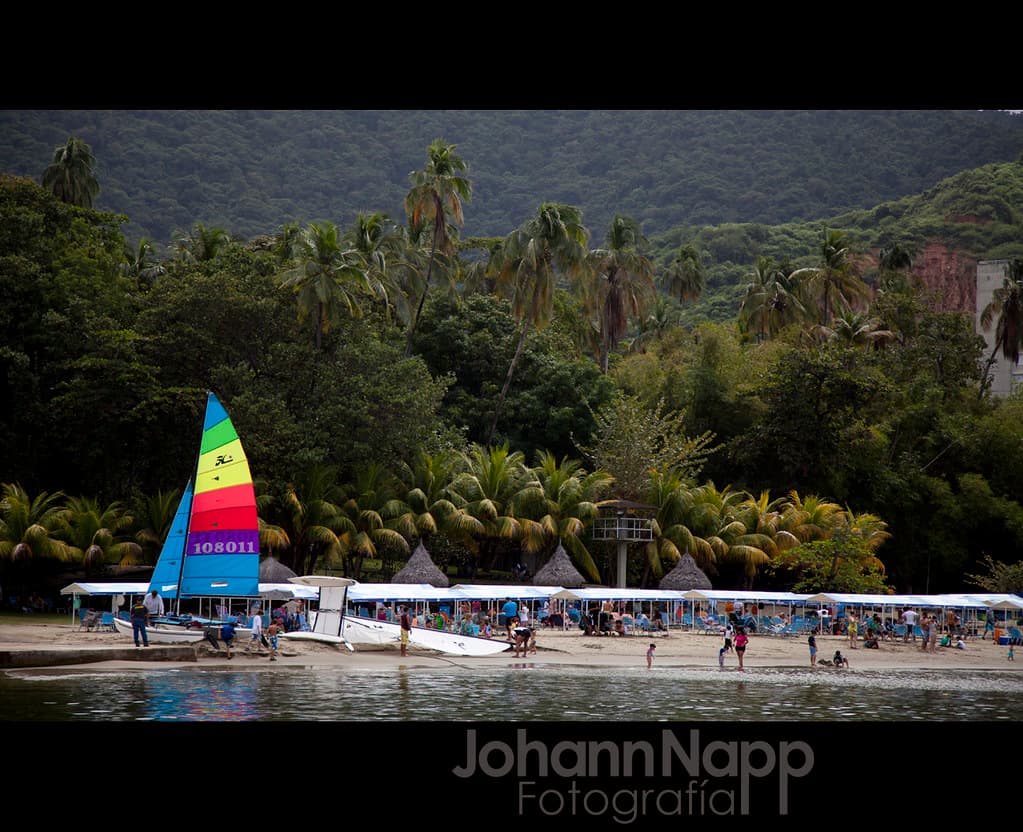
Counting the waves…
Counting the waves…
Punta Icotea carries weight beyond geography—it's the place older residents reference when giving directions, the backdrop for countless family photographs, the spot where young couples have been meeting for generations. The shoreline here curves just enough to offer perspective on both the city sprawling behind you and the vast lake extending westward, its surface catching the late afternoon light like hammered copper. You'll share the space with fishermen who still work these waters despite the oil platforms dotting the horizon, their small boats bobbing near the point while pelicans compete for scraps. The seawall shows its age in cracks and patches, evidence of decades supporting the weight of people who come here to think, to talk, to watch the sun perform its nightly disappearing act behind the distant western shore. Street vendors know the regular visitors by name, handing over empanadas and coffee in transactions lubricated by familiarity and ritual. What distinguishes Punta Icotea from generic waterfront is its accumulation of memory—the way current moments layer atop previous ones, how today's teenagers lean against the same wall their grandparents once claimed. The petroleum industry that defines modern Cabimas feels both present and distant from this vantage point, visible on the horizon but unable to fully colonize this strip of public shore where the city reconnects with water on its own terms.
Places, rentals, tours and events within walking and driving distance of Playa Punta Icotea.
Photos
Swimming conditions at Playa Punta Icotea depend on Lake Maracaibo's water quality and currents. As an urban lakefront area, water quality can vary, so observe local conditions before entering. The lake environment differs from ocean beaches with generally calmer waters but less wave action. Check with locals about current conditions and follow any posted advisories. Since this is a historic urban area, facilities may be limited, so exercise standard safety precautions and swim in designated areas when available.
Playa Punta Icotea can be visited year-round due to Venezuela's tropical climate. The lakefront is particularly atmospheric during late afternoon for sunset views, which is a highlight of this location. Weekdays tend to be quieter than weekends when locals gather. The dry season generally offers more comfortable conditions, though temperatures remain warm throughout the year. As a budget-friendly destination, visiting during off-peak times won't significantly affect costs, and the area maintains its authentic local character regardless of season.
Playa Punta Icotea is located in Cabimas, a city on the eastern shore of Lake Maracaibo in Zulia state. Cabimas is accessible by road from Maracaibo, the state capital, via the coastal highway along the lake's eastern shore. Public transportation, including buses and shared taxis, connects Cabimas to surrounding cities. Within Cabimas, local taxis or walking can get you to the Punta Icotea waterfront area. The journey from Maracaibo typically takes around 45 minutes to an hour depending on traffic conditions.
As an urban area in Cabimas, Playa Punta Icotea is surrounded by local food options including Venezuelan restaurants, street food vendors, and casual eateries serving regional cuisine. Accommodation options in Cabimas range from budget hotels to modest guesthouses throughout the city. The lakefront area may have vendors selling snacks and refreshments. For a wider selection of lodging and dining, explore Cabimas' downtown area. Budget travelers will find affordable options that reflect the area's working-class character and authentic local atmosphere.
Playa Punta Icotea stands out for its strong connection to Cabimas' identity as a historic oil industry town on Lake Maracaibo. Unlike ocean beaches, this lakefront location offers a distinctly local, urban atmosphere where you experience authentic Venezuelan culture away from tourist crowds. The area is known for its sunset views over the lake and serves as a community gathering space. Its significance lies in representing the daily life and heritage of the eastern Lake Maracaibo shore, offering cultural authenticity rather than resort-style amenities.