Counting the waves…
Counting the waves…
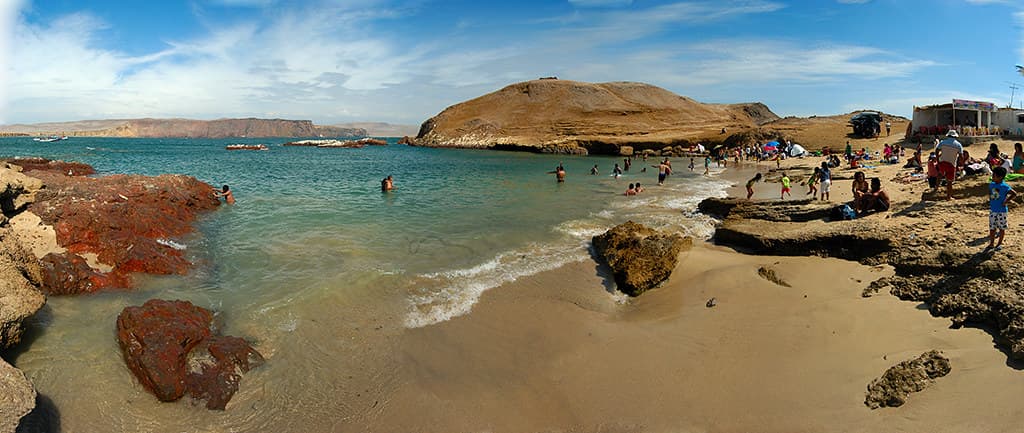
Ciudad Ojeda exists because of oil—the derricks arrived before most of the buildings, and the lake's wealth still drives the local economy. Playa El Danto is where the town comes to forget about crude prices and production quotas, a stretch of sandy shore on Lake Maracaibo's eastern edge. The beach runs for several hundred meters, wide enough to accommodate weekend crowds without feeling cramped. Palm trees line the back of the beach, and a few concrete structures provide changing rooms and shade, their walls covered in decades of graffiti and repainting. The industrial landscape is inescapable and, in its way, striking. Oil platforms dot the lake, some close enough that you can watch workers moving on the decks. The water carries a faint petroleum sheen in places, but it doesn't stop families from swimming or children from building sand fortresses near the gentle surf. The sand is grayish-tan, packed hard near the water and soft where it's dry, scattered with the usual beach debris—plastic bottles, driftwood, the occasional lost sandal. Sunbathing is the main activity. You'll spread your towel among the locals, apply sunscreen against the equatorial sun, and settle in for hours of heat and drowsiness. Vendors circulate selling cold drinks, grilled corn, and empanadas. By late afternoon, the beach fills with people finishing their workday—a swim still in work clothes, a quick jog along the packed sand, families arriving with coolers for an evening picnic. The sunset, framed by derricks and palm fronds, delivers a peculiar beauty—industrial and natural, pragmatic and luminous.
Places, rentals, tours and events within walking and driving distance of Playa El Danto.
Photos
Playa El Danto is located on Lake Maracaibo, not the open ocean, which generally means calmer waters suitable for swimming. However, lake conditions can vary, so check for local advisories regarding water quality and weather. As with any Venezuelan beach, stay aware of your surroundings and avoid displaying valuables. It's advisable to swim during daylight hours when locals are present and to ask residents about current conditions before entering the water.
The best time to visit Playa El Danto is during Venezuela's dry season, typically December through April, when you'll encounter less rainfall and more sunshine. Weekdays offer fewer crowds compared to weekends when local families visit. Early mornings and late afternoons provide the most comfortable temperatures for sunbathing. Since this is a budget-friendly destination, visiting during off-peak months can offer even better value, though you should verify local conditions before traveling.
Playa El Danto is accessible from Ciudad Ojeda town center, typically via local transportation or taxi. The beach is situated along the eastern shore of Lake Maracaibo within the municipality. Ask locals for specific directions to 'Playa El Danto' or the nearest lakefront access point. Due to limited tourist infrastructure in this region, hiring a local taxi or arranging transport through your accommodation is recommended. Road conditions can vary, so allow extra travel time.
Playa El Danto is a local beach with limited on-site facilities, so most visitors base themselves in Ciudad Ojeda where you'll find modest hotels, guesthouses, and restaurants serving traditional Venezuelan cuisine. Street food vendors may appear on weekends near the beach. For the most authentic experience, ask locals for restaurant recommendations in town. Bring snacks and water for beach days, as amenities directly on the shore are minimal compared to major tourist beaches.
Unlike Venezuela's Caribbean coast beaches, Playa El Danto sits on Lake Maracaibo, offering a distinctly different experience with freshwater rather than saltwater and typically calmer conditions. This hidden gem provides an authentic glimpse into local Venezuelan life, as it's primarily visited by residents rather than tourists. The beach reflects the oil-rich region's unique geography and culture. You'll experience genuine local hospitality and traditions without the commercialization found at more popular coastal destinations.