
Counting the waves…
Counting the waves…
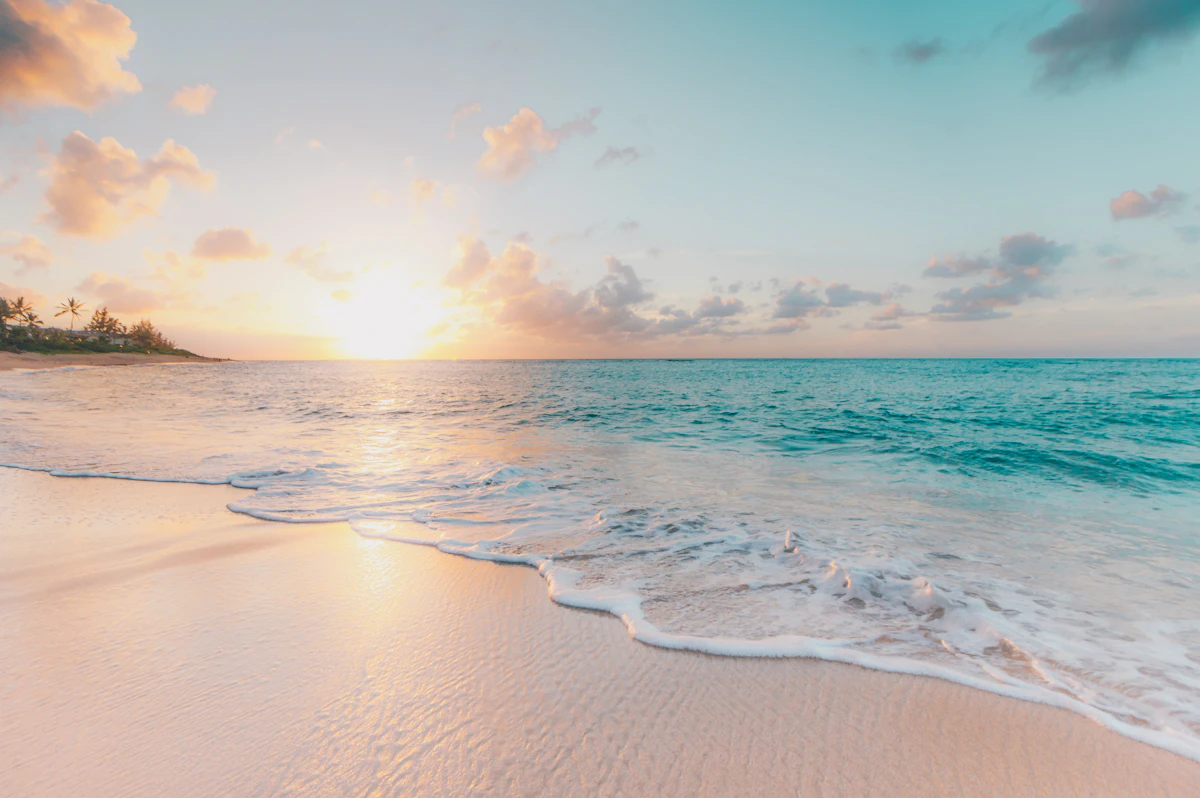
You reach Playa Wantalao by following directions that reference landmarks rather than street names: past the cactus grove, left at the dry riverbed, continue until the sand appears. The beach itself stretches in both directions without interruption, backed by low scrub and the occasional windswept dividivi tree. The sand here is coarse, mixed with shell fragments and small stones polished smooth by tide action. The water temperature surprises you—warmer than you'd expect, heated by shallow gulf depths and abundant sunshine. Wade out thirty meters and you're still only chest-deep, the bottom visible beneath you in shades of tan and olive. There's no coral here, no dramatic underwater scenery, just sand and the occasional crab scuttling sideways. The simplicity is the appeal. This is a place for floating, for feeling the sun on your face, for forgetting that you have emails waiting. Birds outnumber people by significant margins. Frigatebirds wheel overhead on black wings, pelicans patrol the shoreline, and if you're patient, you might spot a roseate spoonbill working the shallows. Bring binoculars if you're inclined; the lack of development means the wildlife hasn't learned to avoid humans. The silence here is nearly complete—just wind, waves, and the occasional cry of seabirds. Your phone likely won't have signal, which might be the best amenity Wantalao offers.
Places, rentals, tours and events within walking and driving distance of Playa Wantalao.
Photos
Swimming conditions at Playa Wantalao generally depend on weather and tides typical of the Guajira Peninsula. The Gulf of Venezuela waters here tend to be calmer than open Caribbean beaches. However, as a remote beach, there are no lifeguards or formal safety infrastructure. Check local conditions before swimming, avoid strong wind days, and never swim alone. Be mindful of currents and changing tides. The isolated nature means emergency services are distant, so exercise caution and stay within your comfort level in the water.
The best weather typically occurs during Venezuela's dry season from December through April, when rainfall is minimal and skies are clearer. These months also see fewer crowds given the beach's hidden nature. The Guajira region can be hot year-round with strong sun, so bring protection regardless of season. Trade winds are common and can be stronger from December to March. If you prefer complete solitude, weekdays during the shoulder months of May or November offer good conditions with even fewer visitors than peak season.
Playa Wantalao is located in the remote Guajira region of Zulia state. Access typically requires private vehicle or arranged local transport from nearby communities. Roads in the Guajira Peninsula can be unpaved and challenging, especially during rainy season. Four-wheel drive vehicles are recommended. Given the beach's hidden nature, it's advisable to hire a local guide or ask for detailed directions from residents in the area. Public transportation options are extremely limited. Plan for a journey that may take several hours from Maracaibo depending on exact starting point and road conditions.
As a hidden, remote beach, Playa Wantalao has minimal or no formal tourism infrastructure directly on site. Visitors should plan to bring their own food, water, and supplies. Nearby Guajira communities may have small local eateries serving traditional Venezuelan and regional cuisine. Lodging options are likely limited to basic guesthouses or homestays in surrounding villages rather than beachfront hotels. Many visitors treat this as a day trip destination, camping may be possible but facilities are non-existent. Stock up on essentials in Maracaibo or larger towns before heading to this remote area.
Playa Wantalao's defining characteristic is its hidden, undeveloped nature in the culturally distinct Guajira region. Unlike developed Caribbean beaches or even Lake Maracaibo shores, this area offers authentic remoteness and scenic natural beauty without tourist crowds. The Guajira Peninsula has strong indigenous Wayúu cultural influence, providing a different cultural context than other Venezuelan beach destinations. The landscape combines desert-like Guajira terrain with coastal environments. Visitors experience Venezuela's beaches in their most natural state, perfect for those seeking solitude, authentic local culture, and sunbathing away from commercial development.