Counting the waves…
Counting the waves…

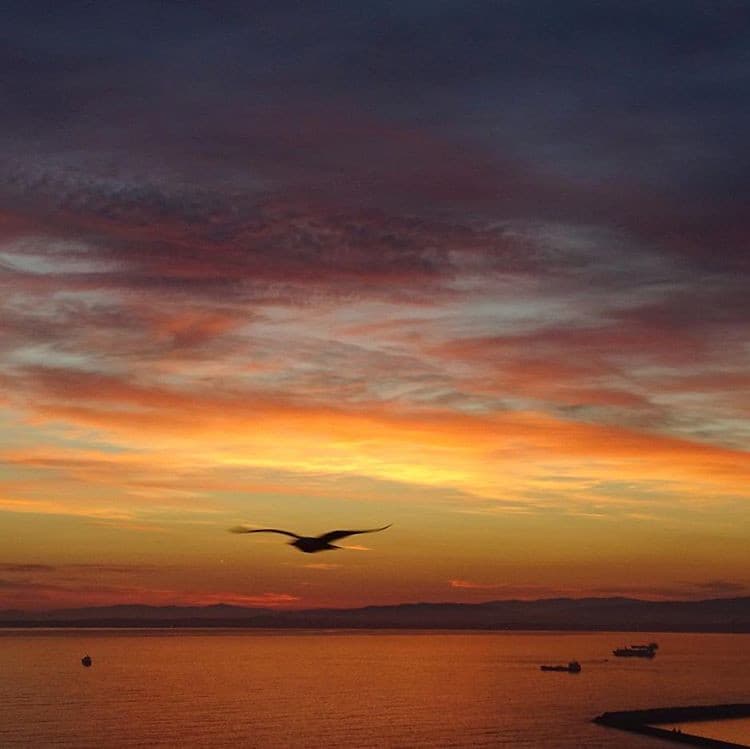
You'll navigate weathered stairs down from the coast road to reach La Vigie, where the shore consists of stratified rock shelves smoothed by decades of waves and the feet of swimmers who know exactly which ledges offer the easiest entry. The water runs deep almost immediately—no sandy shallows here, just that abrupt transition from air to sea that demands confidence and a decent stroke. The tide pools between rocks fill with darting silver fish and the occasional crab, miniature ecosystems you can study while catching your breath between swims. The view opens wide from these rocks: the curve of Bologhine bay to the east, the density of Algiers climbing the hills behind you, container ships anchored offshore awaiting their turn at the port. Sunset gilds the entire scene, turning the usually workaday vista into something worth lingering for. Locals bring thermoses and settle on the higher rocks as the day cools, the water below reflecting pink and orange. This is emphatically an urban beach, hemmed by the sounds of traffic above and the infrastructure of a working city. What it offers is immediacy—the fastest route from Bologhine's streets to the Mediterranean, unmediated by sand or ceremony. You dive in, you swim hard, you haul yourself back onto sun-warmed rock, and the city watches from above.

Places, rentals, tours and events within walking and driving distance of La Vigie Beach.
Photos
La Vigie Beach's rocky terrain requires caution for swimming. The rocky shoreline can be slippery and create uneven underwater surfaces, so water shoes are highly recommended. Swimming is possible during calm conditions, but the rocks make entry more challenging than sandy beaches. The beach is better suited for experienced swimmers comfortable navigating rocky coastlines. Many visitors use it more for scenic walks along the seafront road, sunset viewing, and wading rather than extended swimming sessions. Always check weather and sea conditions before entering the water, and avoid swimming during rough seas when waves crash against the rocks.
La Vigie Beach is particularly stunning during sunset hours throughout the year, when evening light creates beautiful coastal views from below the Bologhine headland. For swimming, visit during May through September when weather is warmest, though the rocky nature makes it less ideal for traditional beach activities. Spring and autumn offer pleasant temperatures for coastal walks and photography without peak summer heat. Weekday evenings are generally quieter than weekends. The urban seafront location means it's accessible year-round for walks and scenic views, even during cooler months when swimming isn't practical but the dramatic coastline remains attractive.
La Vigie Beach is located in Bologhine, accessible via the seafront road running along this section of Algiers' coast. From central Algiers, you can reach it by taxi or ride-sharing service in approximately 15-30 minutes depending on traffic and your starting point. Local buses serve Bologhine, though navigating to the specific beach location may require asking residents for directions. If driving, follow the coastal road through Bologhine and look for access points below the headland. The urban setting means the beach is integrated into the neighborhood rather than having a formal entrance like tourist beaches.
Being in an urban area of Bologhine, La Vigie Beach has cafés and restaurants within the surrounding neighborhood serving Algerian cuisine and local specialties. The seafront road area may have vendors and small eateries, particularly during evening hours when locals gather. For more dining variety, explore the broader Bologhine district. Direct accommodation at this small rocky beach is minimal; most visitors stay in central Algiers hotels and visit for a few hours, particularly during sunset. The urban location provides easy access to city amenities and makes it convenient for a brief coastal visit combined with exploring the neighborhood.
La Vigie Beach distinguishes itself through its position below the Bologhine headland, creating dramatic rocky coastal scenery different from Algiers' sandy beaches. The seafront road location offers easy access while maintaining scenic appeal, blending urban infrastructure with natural coastline. It's particularly valued for sunset views and as a gathering spot for locals rather than a traditional swimming beach. The rocky character attracts photographers and those seeking coastal walks rather than sunbathing. Its small, named status reflects local significance despite being missed by broader tourism lists, offering authentic insight into how Algiers residents engage with their diverse coastline.