Counting the waves…
Counting the waves…
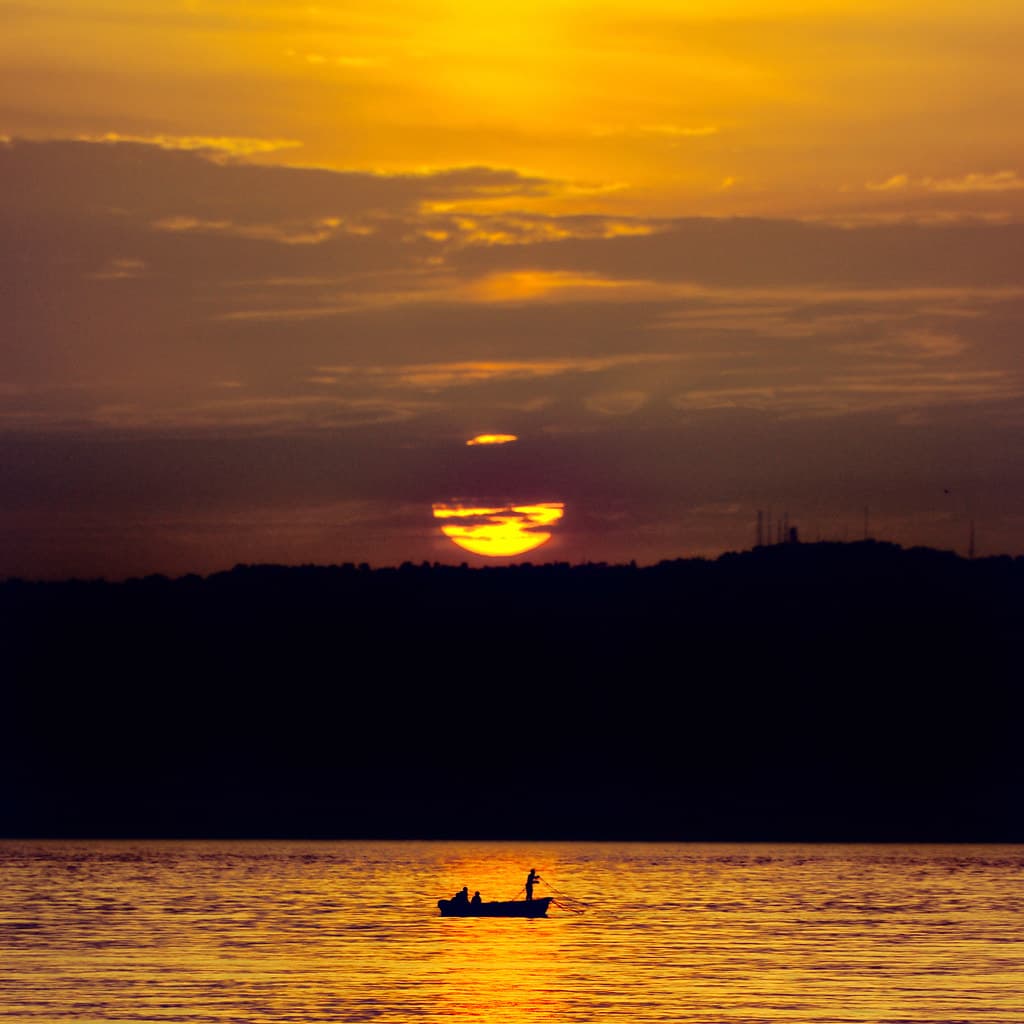
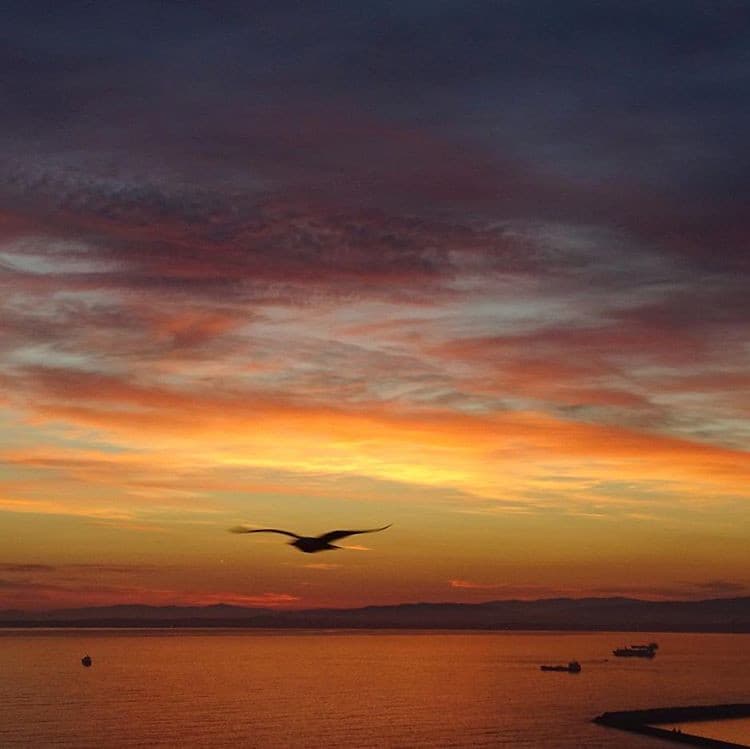
The shoreline at Raïs Hamidou presents itself in ledges and platforms, natural rock interspersed with the concrete remnants of old sea walls and descents built for swimmers who don't need sandy transitions. You'll lower yourself from these edges into water that darkens quickly to navy, the seafloor dropping away in a satisfying assertion of depth. The swimming here demands actual technique—you stroke parallel to shore, using the rocks as landmarks, pulling yourself back onto sun-heated stone when your arms tire. The coast road runs close above, a constant reminder of the urban context, but somehow the city presence enhances rather than diminishes the experience. You swim in the margins where Algiers meets its defining element, where the density and noise above contrast with the relative quiet once you're in the water. Gulls wheel overhead, their calls mixing with traffic sounds and the slap of waves against rock. Sunset transforms the entire scene, gilding the western view and silhouetting the swimmers still in the water against copper light. The rocks fill with spectators then—families who've walked down after dinner, couples sharing the last of the day's warmth radiating from the stone, solitary watchers with cigarettes and thermoses. The light fades slowly, the city lights behind you beginning to compete with the afterglow, and the Mediterranean shifts from copper to pewter to ink.
Places, rentals, tours and events within walking and driving distance of Raïs Hamidou Beach.
Photos
Swimming at Raïs Hamidou Beach requires more caution than sandy beaches due to its rocky terrain. The rocky entry can be slippery and uneven, making water shoes highly recommended. Swimming is possible during calm conditions, but the rocks create less predictable depths and potential hazards beneath the surface. This beach is better suited for experienced swimmers comfortable with rocky coastlines. Many locals use it more for scenic walks, sunset viewing, and wading rather than extended swimming. Always assess conditions carefully and avoid rough weather days when waves crash against rocks.
The best time to visit Raïs Hamidou Beach is during sunset hours year-round, when the western light creates beautiful views along this west-facing shoreline. For swimming and sunbathing, May through September offers the warmest weather, though this rocky beach attracts fewer sunbathers than sandy alternatives. Spring and autumn provide pleasant temperatures for coastal walks and photography. Weekday afternoons are typically quieter than weekends. The urban location means it's accessible year-round for scenic strolls, even during cooler months when swimming isn't appealing but the dramatic rocky coastline remains photogenic.
Raïs Hamidou Beach is located west of central Algiers, making it relatively accessible from the city. You can reach it by taxi or ride-sharing service in approximately 15-25 minutes depending on traffic and your starting point. Local buses serve the Raïs Hamidou district, though routes may be confusing for first-time visitors. Driving yourself via the coastal road is straightforward if you have a rental car. The beach's urban setting means it's integrated into a residential neighborhood, so look for local access points along the seafront rather than expecting a formal beach entrance.
Being in an urban residential area of Algiers, Raïs Hamidou Beach has local cafés, small restaurants, and snack vendors within walking distance serving Algerian cuisine and simple meals. You'll find more dining variety by exploring the surrounding Raïs Hamidou neighborhood. Accommodation directly at the beach is minimal; most visitors stay in central Algiers hotels and visit as a short trip. The urban location means you have access to city amenities nearby. Evening visits for sunset often combine well with dinner at local establishments in the area afterward.
Raïs Hamidou Beach distinguishes itself through its rocky, dramatic coastline contrasting with Algiers' sandy beach options. Its position on the western city edge offers excellent sunset views over the Mediterranean, making it particularly popular during golden hour. The urban-meets-sea character provides insight into how Algiers' city sprawl reaches the coast. Rather than a typical beach destination, it functions as a scenic coastal walk and local gathering spot. The rocky terrain attracts photographers, sunset watchers, and couples seeking romantic views rather than traditional beach activities like sunbathing or building sandcastles.