Counting the waves…
Counting the waves…

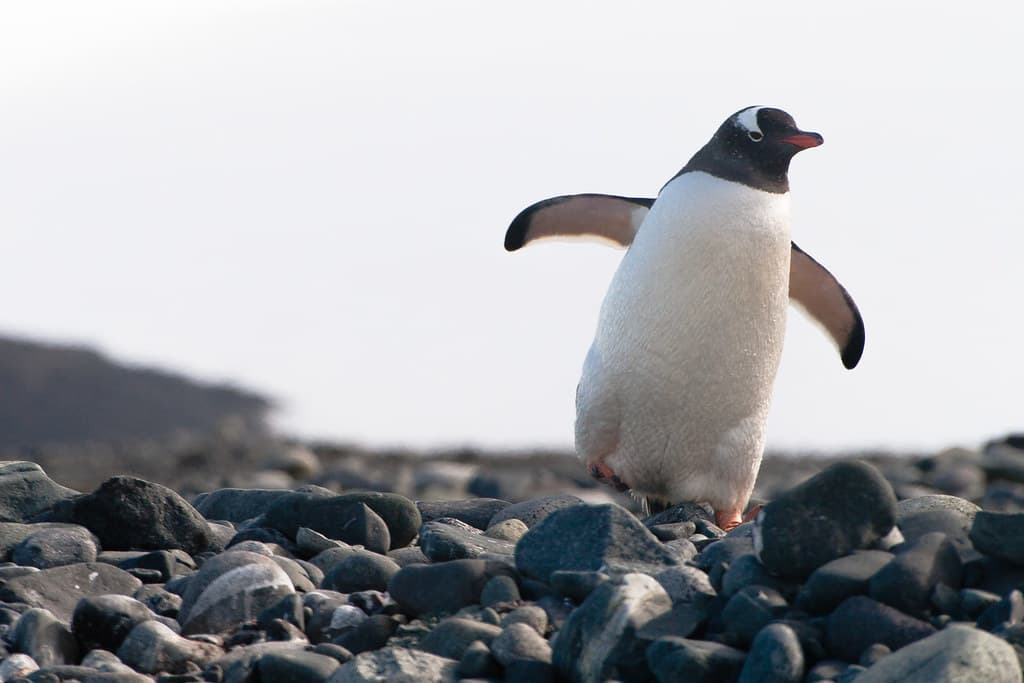
Half Moon Island curls into the South Shetlands like a cupped hand, its beach a study in monochrome: charcoal stones, white ice, slate-gray water. You arrive by inflatable boat from an expedition ship, stepping carefully where the tide has sorted pebbles by size—larger cobbles near the waterline, smaller ones inland where they dry to a lighter ash tone. The crunch underfoot is constant, a percussion section to the guttural braying of penguins that nest on the slopes above. Cámara Station sits a short walk from the beach, its red buildings a jarring note of human geometry against the organic chaos of rookeries and ice. You'll share the strand with breeding chinstraps during austral summer, their nests built from stolen stones identical to those beneath your feet. Elephant seals claim the choicest spots, forcing you to detour around their blubbery bulk. The cold seeps through your parka—not the biting wind-chill of the interior, but a damp, penetrating cold that rises from the Southern Ocean itself. The beach faces Livingston Island's glaciated peaks across the strait, where tabular icebergs drift like slow-motion architecture. On rare windless days, the water reflects everything with such fidelity you'll pause mid-step, uncertain which way is up. But the pebbles always tell the truth: they shift and settle, alive beneath your weight.
Places, rentals, tours and events within walking and driving distance of Playa Media Luna.
Photos
Swimming at Playa Media Luna is extremely dangerous and not recommended. Antarctic and sub-Antarctic waters are near-freezing year-round, typically between -2°C and 2°C, and can cause cold shock and hypothermia within minutes. The pebble beach and remote location make this strictly a viewing destination. Visitors are usually part of organized expeditions with strict safety protocols. The beach's value lies in wildlife observation and experiencing the unique Antarctic environment, not water recreation. Always follow expedition guidelines and stay on shore.
The Antarctic tourism season runs from November through March during the austral summer, when sea ice conditions allow ship access and temperatures are relatively milder (though still cold, averaging -2°C to 8°C). December and January offer the longest daylight hours and most active wildlife, particularly breeding penguin colonies. Weather conditions can change rapidly regardless of season. Most visitors arrive on expedition cruises during this narrow window. Outside these months, access is extremely difficult due to severe weather and ice conditions.
Playa Media Luna is accessible almost exclusively via expedition cruise ships operating in Antarctic waters. Half Moon Island lies in the South Shetland Islands, requiring a sea voyage from Ushuaia, Argentina, or other southern ports. The journey typically takes 2-3 days crossing the Drake Passage. Visitors land via Zodiac inflatable boats from the expedition vessel, with landings weather-dependent and strictly controlled. Independent travel is not feasible; organized expedition cruises are the only practical access method for tourists to this remote location.
Playa Media Luna has no facilities, accommodation, or food services whatsoever. The Cámara Station (Argentinian research base) nearby is not open to casual tourism. All visitors stay aboard their expedition cruise ships, which provide accommodation, meals, and all necessary supplies. Shore visits are brief excursions lasting a few hours at most. There are no structures for visitors on the beach itself. Everything needed for your visit, including emergency equipment and guides, comes from your expedition vessel.
Playa Media Luna on Half Moon Island offers an authentic Antarctic coastal experience with dramatic scenery and exceptional wildlife. The crescent-shaped pebble beach provides close encounters with chinstrap penguin colonies, Antarctic fur seals, and diverse seabirds in their natural habitat. The combination of glaciated mountains, icebergs, and active wildlife against the stark beauty of the Antarctic landscape creates unforgettable photographic opportunities. Its relative accessibility via expedition cruises makes it a highlight for Antarctic travelers seeking genuine wilderness experiences in one of Earth's most remote environments.